Metal roofing is a popular choice for residential and commercial properties because of its durability, weather resistance, and long lifespan. However, even a well-installed metal roof can develop problems over time. Exposure to harsh weather, changing temperatures, moisture, and everyday wear can affect roofing panels, fasteners, flashing, and protective coatings.
Recognizing early warning signs and addressing roofing issues promptly can help prevent expensive damage and protect the structure beneath your roof. Whether you have noticed a water stain on your ceiling or visible corrosion on your roofing panels, understanding when to schedule metal roof repair can make a significant difference in maintaining your property’s condition.
Why Metal Roofs Need Occasional Repairs
Metal roofs are designed to provide long-term protection, but they are not completely maintenance-free. Over the years, environmental exposure and natural material movement can affect different parts of the roofing system.
Temperature changes cause metal panels to expand and contract. Over time, this movement can contribute to loose fasteners, deteriorating sealants, and problems around roof joints. Strong winds, falling branches, and heavy storms can also damage panels or loosen flashing.
Regular inspections help identify these concerns before they develop into larger problems. Addressing minor issues early can preserve the roof’s performance and reduce the likelihood of interior water damage.
5 Common Metal Roofing Problems That Require Attention
Understanding common metal roofing problems can help property owners recognize when professional attention may be necessary.
- Loose or Missing Roofing Fasteners
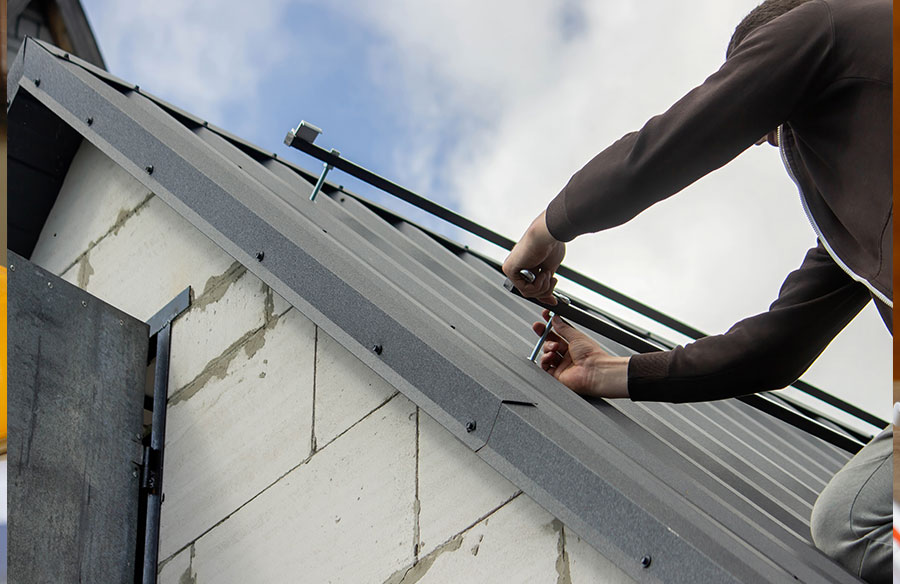
Fasteners secure metal panels to the roof structure. Over time, temperature changes and natural movement can cause screws to loosen or back out. Damaged or deteriorated washers may also create openings where moisture can enter.
Missing or loose fasteners can allow water to penetrate the roofing system, particularly during heavy rainfall or wind-driven storms.
A professional inspection can identify affected fasteners and determine whether replacement or additional repairs are necessary.
- Rust and Corrosion
Although many metal roofing products have protective coatings, scratches, damaged finishes, and prolonged moisture exposure can leave certain areas vulnerable to corrosion.
Rust may develop around fasteners, panel edges, seams, or areas where the protective coating has deteriorated. If left untreated, corrosion can weaken the affected metal and eventually require panel replacement.
Professional repairs may involve cleaning affected areas, treating corrosion, applying compatible protective coatings, or replacing severely damaged sections.
- Roof Leaks Around Flashing
Flashing protects vulnerable areas where the roof meets walls, chimneys, skylights, vents, and other structures. These transitions require proper sealing to prevent water infiltration.
When flashing becomes loose, damaged, or improperly sealed, water can enter beneath the metal panels.
Common warning signs include water stains on ceilings, damp insulation, peeling interior paint, and moisture around roof penetrations.
Repairing flashing correctly is essential because applying surface sealant alone may not address the underlying problem.
- Damaged or Loose Metal Panels
Severe weather, falling debris, and improper installation can damage metal roofing panels. Dents, punctures, lifted edges, and separated seams can compromise the roof’s ability to keep water out.
Even relatively small openings can become entry points for moisture during storms.
Depending on the extent of the damage, repairs may involve securing loose sections, restoring seams, or replacing individual panels.
- Deteriorating Sealants
Sealants are used in various areas of metal roofing systems to help prevent water penetration. Over time, exposure to sunlight, temperature fluctuations, and moisture can cause certain sealants to crack, shrink, or lose adhesion.
When this happens around joints, flashing, and roof penetrations, water can enter the roofing system.
A professional roofer can identify deteriorated sealants and use materials compatible with the existing roofing system.
Warning Signs That Your Metal Roof Needs Repair
Not every roofing problem is immediately visible from the ground. However, several warning signs may indicate that your roof needs professional attention.
Look out for:
- Water stains or discoloration on interior ceilings.
- Visible rust or corrosion on metal panels.
- Loose, missing, or damaged roofing screws.
- Unusual gaps around flashing and roof openings.
- Water dripping into the attic during rainfall.
- Bent, lifted, or separated roofing panels.
- Peeling paint or moisture damage near exterior roof connections.
If you notice any of these symptoms, arranging a professional inspection can help determine the cause and prevent further deterioration.
How Professional Metal Roof Repair Helps Protect Your Property
Metal roofing systems contain multiple components that must work together to provide effective weather protection. Repairing only the visible problem without identifying its underlying cause may result in recurring leaks or additional damage.
Professional metal roof repair services typically begin with a detailed inspection of the roofing system. A qualified roofing contractor evaluates panel conditions, fasteners, seams, flashing, drainage areas, and protective coatings.
Based on the inspection, the appropriate repair may include:
Fastener Replacement: Removing damaged screws and washers and installing compatible replacement fasteners to restore secure attachment.
Panel Repairs: Securing loose panels or replacing sections that have suffered significant damage.
Flashing Repairs: Repairing or replacing damaged flashing around chimneys, vents, skylights, and other roof transitions.
Rust Treatment: Addressing corrosion and restoring protective finishes where appropriate.
Seam and Sealant Repairs: Restoring compromised joints using compatible materials designed for the specific metal roofing system.
Choosing the correct repair method is important for maintaining the roof’s weather resistance and avoiding unnecessary replacement costs.
Preventative Maintenance Tips for Metal Roofs
Routine maintenance can help extend the service life of your metal roofing system and reduce the risk of unexpected repairs.
Here are some practical maintenance recommendations:
- Schedule Regular Inspections: Have your roof inspected periodically to identify loose fasteners, damaged panels, and developing leaks.
- Keep Gutters Clear: Remove accumulated leaves and debris to support proper water drainage.
- Check Flashing and Seams: Pay attention to roof transitions and joints where water infiltration can occur.
- Address Corrosion Early: Have damaged protective coatings and rust spots evaluated before corrosion spreads.
- Avoid Unnecessary Roof Traffic: Walking on metal panels incorrectly can cause dents, scratches, and other damage.
- Remove Debris Safely: Prevent branches and accumulated debris from trapping moisture against roofing surfaces.
Always follow the roofing manufacturer’s maintenance recommendations. Avoid climbing onto the roof yourself, as metal surfaces can become slippery and may be damaged by improper foot traffic.
Should You Repair or Replace Your Metal Roof?
One of the most common questions property owners face is whether a damaged metal roof needs repairs or complete replacement.
The answer depends on the roof’s age, overall condition, extent of damage, and structural integrity.
If the problem involves isolated issues such as a few loose fasteners, damaged flashing, or limited corrosion, targeted repairs may be sufficient.
However, extensive corrosion, widespread panel deterioration, significant structural damage, or recurring leaks across multiple sections may indicate that replacement is the more practical long-term option.
A professional roofing inspection can help determine the most appropriate solution based on the actual condition of your roof.
Protect Your Property With Timely Metal Roof Repairs
Your metal roof plays an important role in protecting your property from rain, wind, moisture, and other environmental conditions. Although metal roofing is built for durability, ignoring small problems can eventually lead to more extensive damage and costly repairs.
By recognizing early warning signs, scheduling routine inspections, and addressing damaged components promptly, you can help maintain your roof’s performance for years to come.
Whether you are dealing with a persistent leak, loose fasteners, rust, or damaged panels, working with an experienced roofing professional can help restore your roof’s protective capabilities. Taking action early is one of the best ways to protect your investment and maintain a dependable roofing system.