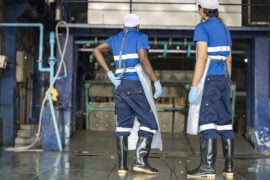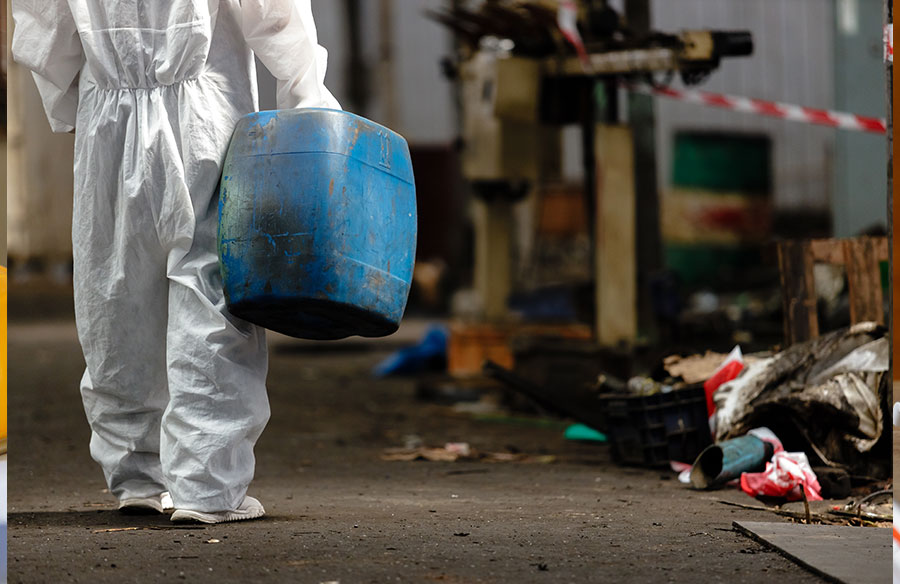
Hazardous chemical releases can happen unexpectedly in industrial facilities, warehouses, laboratories, manufacturing plants, and commercial workplaces. A leaking container, damaged storage tank, equipment failure, or accidental chemical release can create serious risks for employees, nearby properties, and the surrounding environment. Even a spill that appears small may become dangerous depending on the substance involved.
Thoughtful architectural design and material specification play a crucial role in mitigating these risks. From the layout of industrial facilities to the choice of flooring and wall finishes in laboratories, design decisions can enhance safety protocols, improve ventilation, and facilitate easier containment and cleanup of potential incidents.
For businesses in Atlanta, having a clear response plan is essential. Professional hazardous material cleanup helps address hazardous releases through appropriate assessment, containment, material recovery, and responsible waste management. Understanding the risks and preparing for unexpected incidents can help businesses protect their workplaces and reduce the possibility of further contamination.
Common Causes of Chemical Spills
Such incidents can occur in workplaces that store, transport, manufacture, or regularly use industrial chemicals. These incidents may result from human error, equipment problems, damaged packaging, or improper storage practices.
Some common causes include leaking chemical containers, broken transfer hoses, damaged storage tanks, accidental overfilling, transportation accidents, and equipment malfunctions. In some facilities, spills may also occur during routine maintenance, chemical mixing, or material transfer.
Poor storage conditions can increase the likelihood of an incident. Containers that are improperly sealed, exposed to damage, or stored with incompatible substances may create additional hazards. Regular inspections and proper handling procedures can help identify potential problems before they lead to a release.
Why Immediate Chemical Spill Response Matters
A hazardous material release should never be treated as an ordinary cleaning task. Depending on the substance, exposure may cause skin irritation, breathing difficulties, chemical burns, fire hazards, or other serious health concerns. Certain materials may also react dangerously when they come into contact with other chemicals.
The first priority should always be protecting people. Employees should avoid touching or approaching an unknown substance, keep others away from the affected area, and follow the workplace emergency plan. If the spill creates an immediate danger, the area should be evacuated and appropriate emergency responders contacted.
Only trained and properly equipped personnel should handle hazardous chemical releases. Attempting to clean an unknown substance without understanding its properties can make the situation more dangerous.
Prompt professional assistance can help control the incident and prevent the affected area from expanding.
What Does Professional Chemical Spill Cleanup Involve?
Every hazardous release is different, so cleanup methods must be selected according to the substance and the conditions at the site. A chemical’s safety data sheet can provide important information about its hazards, handling requirements, and recommended precautions.
A professional response generally begins with evaluating the incident. Responders identify the material involved, assess the affected area, and determine whether the spill presents risks such as toxic exposure, fire, corrosion, or dangerous chemical reactions.
Containment is another important part of the process. Appropriate barriers and materials may be used to prevent the substance from spreading into unaffected areas. Depending on the chemical, responders may also need specialized equipment to recover the spilled material and collect contaminated surfaces or items.
The cleanup process may include decontamination and the proper handling of recovered waste. These activities should be performed by personnel with the appropriate training, protective equipment, and resources for the specific chemical involved.
Different Types of Chemical Spills Require Different Solutions
Industrial and commercial workplaces may handle a wide variety of chemicals, each with its own hazards. Acids and corrosive substances can damage surfaces and cause severe injuries through contact. Solvents may produce harmful vapors or create fire risks, while certain reactive chemicals can become dangerous when exposed to moisture or incompatible materials.
Releases involving unknown substances require particular caution. Without identifying the material, it may be difficult to determine the safest containment and cleanup method.
This is why professional hazmat response is important for incidents involving potentially dangerous releases. The response should account for the chemical’s properties, the possibility of exposure, and any risks to surrounding areas.
Protecting Employees and Nearby Properties
Employee safety should remain a priority throughout a hazardous incident. Businesses should have procedures that explain how workers can recognize a release, report it, evacuate when necessary, and avoid entering contaminated areas.
A spill may also affect people outside the immediate workplace. Chemical vapors can travel beyond the original release location, while liquids may move across floors, outdoor surfaces, and drainage areas. These risks make proper site control and containment especially important.
Effective site planning and the selection of resilient building materials are paramount in preventing wider contamination. Architects and designers consider factors like impermeable surfaces, graded floors leading to controlled drainage, and robust building envelopes to manage potential leaks and protect surrounding environments from hazardous migration.
For businesses seeking chemical spill cleanup services in Atlanta, GA, choosing an appropriate response approach can help address both immediate safety concerns and potential environmental impacts.
Responsible Chemical Waste Management
Removing a chemical from the affected surface does not necessarily mean the incident is completely resolved. Absorbents, protective equipment, packaging, soil, and other materials may become contaminated during cleanup.
These materials must be evaluated and managed according to the applicable waste requirements. Improper disposal can create additional hazards and potentially spread contamination to other locations.
A responsible cleanup process considers waste collection, appropriate containment, transportation, and disposal. Businesses should also maintain relevant incident documentation and review whether additional environmental assessment or remediation is necessary.
Preparing Your Facility for Hazardous Material Emergencies
Preparation can make a significant difference when an unexpected chemical release occurs. Businesses that store or use hazardous substances should regularly review their safety procedures and make sure employees understand their responsibilities.
Chemical containers should be clearly identified and stored under suitable conditions. Incompatible materials should be separated, and storage areas should be inspected for leaks, damaged packaging, and other potential problems.
Employees should also know where to find safety data sheets and how to report a spill. Emergency procedures should explain evacuation arrangements, restricted areas, communication responsibilities, and when outside assistance is necessary.
Having a suitable emergency plan helps businesses avoid confusion during stressful situations. It also supports a more organized response when professional assistance is required.
Hazardous Material Response in Atlanta, GA
Hazardous releases can interrupt operations, damage property, and create serious concerns for workplace safety and environmental protection. Whether an incident involves a leaking container, industrial equipment, chemical storage, or an accidental release during material handling, the response must be appropriate for the substance involved.
Businesses looking for emergency hazardous material response for industrial facilities should prioritize providers that understand the importance of containment, hazard assessment, safe material recovery, and responsible cleanup.
Georgia Emergency Spill Response helps businesses address chemical spill and hazardous material incidents. Its services include chemical spill cleanup, containment, and emergency hazardous material response. Having access to appropriate assistance can help facility managers manage unexpected releases and work toward restoring affected areas.
A responsible response is about more than removing spilled chemicals. It involves protecting people, limiting contamination, managing affected materials, and addressing the conditions that caused the incident. With proper preparation and professional support, businesses can take meaningful steps toward maintaining safer workplaces and protecting the surrounding Atlanta community.