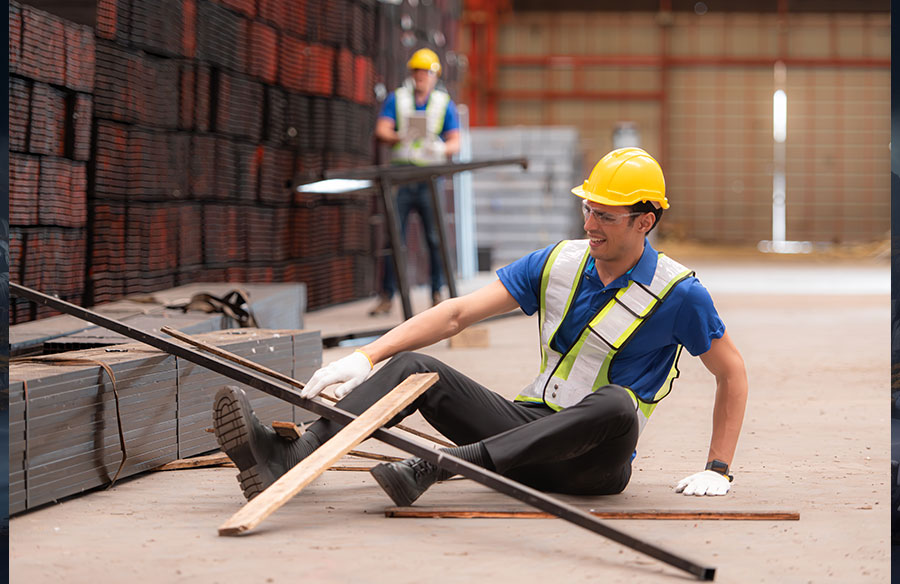
Construction is consistently ranked among the most hazardous industries. Falls from height, struck-by incidents, caught-in equipment accidents, and electrical hazards account for the majority of serious construction injuries. The workers experiencing these injuries are often dealing with complex recovery processes, financial pressure from lost income, and a claims process that is rarely as straightforward as it should be.
Understanding when and why legal representation is appropriate helps construction workers protect their interests during a particularly vulnerable period.
The Specific Hazard Profile of Construction Work
The construction industry’s injury rate reflects the genuine physical demands and hazard exposure of the work. Unlike office environments where serious injury is relatively uncommon, construction sites involve daily proximity to conditions that can cause life-changing harm.
The Occupational Safety and Health Administration identifies the “Fatal Four” causes that account for the majority of construction fatalities:
- Falls from scaffolding, roofs, ladders, and elevated surfaces
- Struck-by incidents involving vehicles, equipment, or falling objects
- Caught-in or caught-between incidents involving equipment and machinery
- Electrocution from contact with power lines or electrical systems
Data from the U.S. Bureau of Labor Statistics Census of Fatal Occupational Injuries report continues to reinforce how dangerous these conditions remain. The report found that falls, slips, and trips remain one of the leading causes of fatal injuries in construction, accounting for a significant share of workplace deaths across the industry.
Non-fatal injuries in construction are also severe by industry comparison: fractures, traumatic brain injuries, spinal injuries, and crush injuries occur at rates significantly above most other sectors.
Workers Compensation and Its Limitations
Workers’ compensation systems exist to provide medical coverage and wage replacement for workers injured on the job, without requiring proof of employer fault. For most workplace injuries, workers’ compensation is the primary legal mechanism for financial support.
But workers’ compensation has genuine limitations that affect construction workers specifically.
Wage replacement under workers’ comp typically covers only a percentage of pre-injury earnings, often around two-thirds. For construction workers with good wages, this gap creates immediate financial pressure. The system also doesn’t compensate for pain and suffering, which means severe injuries that permanently affect quality of life are undercompensated relative to their actual impact.
Additionally, workers’ compensation claims in construction can be complicated by questions about employment classification. Independent contractors and workers employed through labour hire arrangements may face disputes about whether they’re eligible for workers’ compensation coverage at all.
When Third-Party Claims Apply
Construction sites typically involve multiple employers, contractors, and subcontractors working in proximity. When a worker is injured due to the negligence of a party other than their direct employer, a third-party personal injury claim may be available alongside workers’ compensation.
Examples include a worker employed by a subcontractor who is injured due to the negligence of the general contractor, a worker injured by defective equipment manufactured by a third party, or a worker injured by the actions of another company’s employees on a shared site.
Third-party claims aren’t subject to the same limitations as workers’ compensation. They can recover full wage loss, pain and suffering, and other damages not available through the compensation system. Identifying whether a third-party claim exists alongside a compensation claim is one of the most important functions of early legal consultation.
Connecting with a qualified work accident attorney early in the process is important precisely because the identification of third-party liability requires legal analysis that isn’t part of the workers’ compensation claim process.
GLS Injury Law handles construction injury cases with an understanding of the multiple liability frameworks that apply on complex construction sites, ensuring that workers pursue every available avenue for compensation rather than settling for what the workers’ compensation system alone provides.
The Importance of Early Legal Consultation
Several factors make early legal consultation important in construction injury cases specifically.
Evidence on construction sites changes rapidly. Equipment moves, conditions are altered, and the physical record of what caused an injury can disappear within days if not documented promptly. An attorney can arrange for independent investigation and documentation before that window closes.
Claims also have time limits. Statutes of limitations for both workers’ compensation claims and personal injury actions require action within defined periods. Missing these deadlines extinguishes otherwise valid claims entirely.
Finally, the initial communications with employers and their insurers following an injury are consequential. Statements made informally can affect subsequent claims in ways that workers rarely anticipate. Having legal guidance before making those statements protects the worker’s position.
What to Expect From Legal Representation
For construction workers considering legal consultation, the process typically begins with a free initial evaluation where the attorney reviews the circumstances of the injury and advises on the available legal pathways.
If a viable claim exists, most work injury attorneys operate on a contingency fee basis. This means no upfront cost and no payment unless a settlement or judgment is reached.
The attorney then manages the claims process including evidence gathering, medical record organisation, communication with insurers, and negotiation. Most cases resolve through settlement. Those that don’t proceed to formal legal proceedings where the attorney represents the worker’s interests throughout.
Conclusion
Construction workers who are injured deserve access to the full range of legal protections and compensation available to them. The workers’ compensation system provides a baseline but rarely covers the complete impact of a serious injury.
Understanding when legal representation is appropriate, and acting promptly to seek it, is the most effective step a construction worker can take to protect their financial recovery and their rights.