Ask how long an edit should take and you will get an answer in hours, usually confident and usually wrong. Editing time depends less on the length of the finished video than on how many decisions are still open when the work begins. A piece with a clear purpose can be finished in an afternoon; the same piece, shot twice as long and shown to three people before anyone decides, can absorb a week. Rather than a single figure, it is more useful to think in situations, because each has its own honest answer and each overruns for its own reasons. Three of them cover most of what people actually make, and knowing which one you are in makes the estimate far easier to defend.
A Short Clip, Finished in One Pass
What a Single Pass Involves
A short clip finished in one sitting is the case most people picture. The work is genuinely small: choose the takes, cut them together, level the sound, add whatever text is needed, export. Nothing goes back for changes and nobody else has to approve it. What makes the estimate reliable is that the shape of the piece is already settled before the first cut. If the finished video can be described in one sentence, a single pass is realistic; if that sentence keeps changing, the pass will not be the last one. The honest estimate for this kind of work is a single session, and the reason it holds is that nothing in it depends on anybody else. Once a second person has to approve the result, the same clip moves into the next category.
Where the First Hours Go
Even in a simple project the hours do not go where people expect. Watching the material takes longer than cutting it, because every minute of footage has to be seen before it can be judged. Standing between two near-identical takes costs longer still, and it is the stage most likely to stretch. The cutting itself, once the decisions are made, is usually the quickest part. Anyone who wants a shorter edit should therefore work on reaching decisions sooner rather than on moving through them faster. A rough rule holds across most short projects: reviewing the material takes about as long as everything else put together, and cutting takes roughly half of that again.
A Longer Piece With Revisions
What Adds the Extra Hours
A longer piece with revisions is a different job entirely. The extra hours come from three places: more material to review, more people with an opinion, and more rounds of change. Each round is not simply the previous one repeated, because a change to the opening shifts the pacing of everything after it. What helps is separating revisions into passes, so structure is agreed before timing and timing before polish. Working out of order is the largest cause of a project that feels busy without moving. Agreeing that order at the start costs ten minutes and saves the two extra rounds that usually follow a change made to the wrong layer.
What Gets Handled Faster
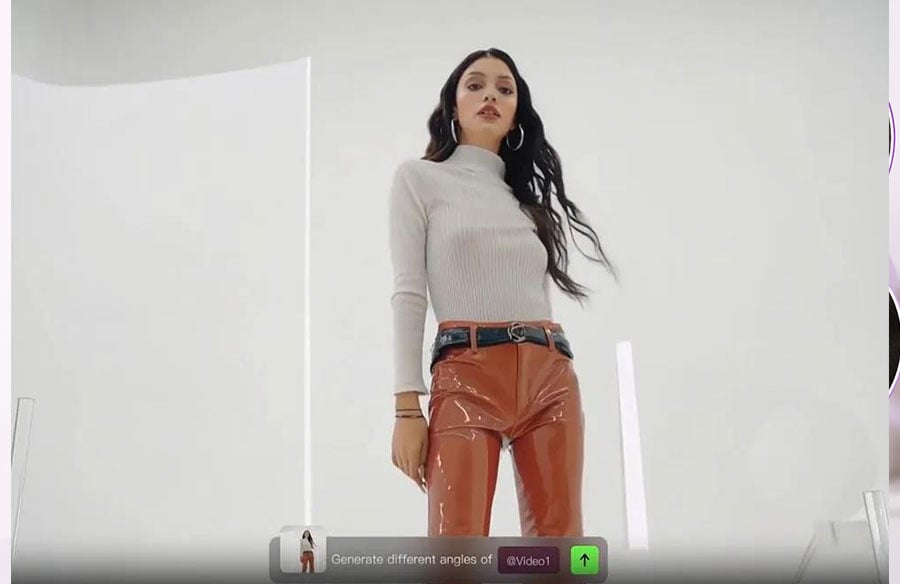
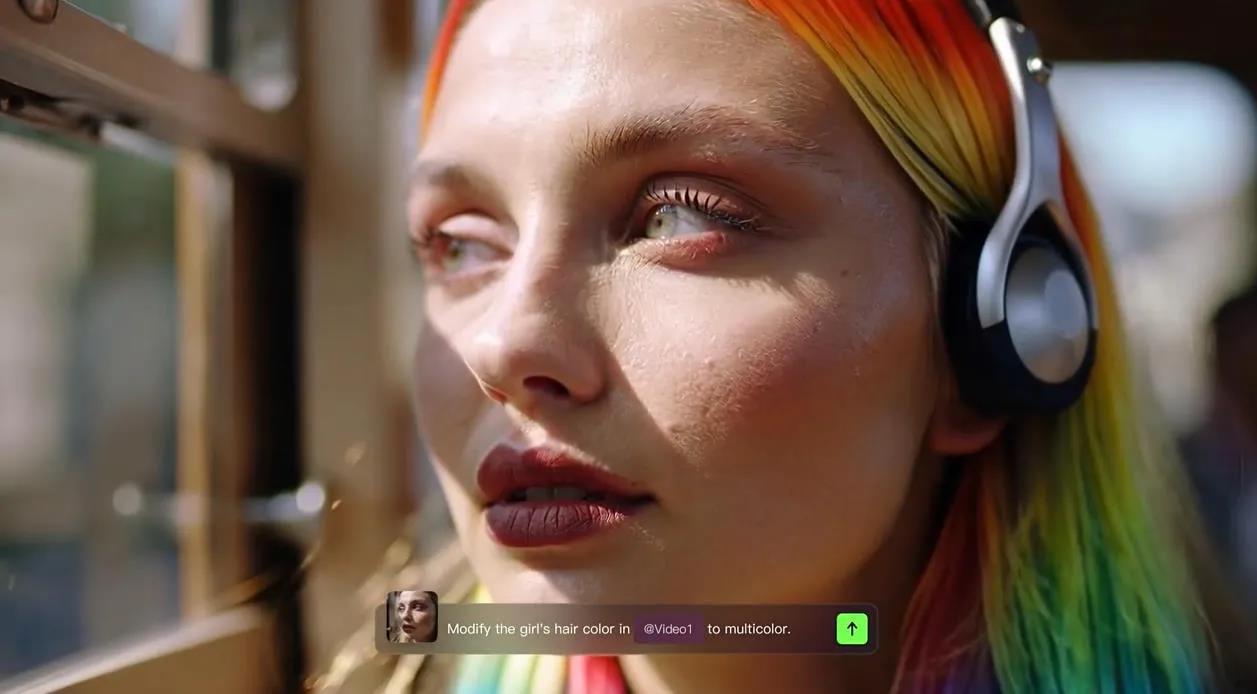
The parts that speed up most are the parts that were never really decisions. An ai video editor takes over the repeated work that fills an ordinary session: the same correction applied shot after shot, the same level adjustment, the same trim at the start of every clip, the extra seconds at the end of a shot that would otherwise mean setting up again. None of that required judgement in the first place, which is why it can be handed over without changing the result. What remains is what always took the time: deciding what the piece is saying. That division is what makes an estimate possible at all: the mechanical part scales with the number of clips, while the judgement part scales with the number of questions still open.
 A Project That Keeps Growing
Why It Never Feels Finished
The third case is the project that keeps growing, and it is worth recognising early. It usually begins as a reasonable piece of work and then acquires another section, another version, another format. Each addition is small and each one seems worth doing at the time. The reason it never feels finished is that there is no agreed definition of finished, only a sense that it could be slightly better. Without a stopping point, more time does not produce a better video so much as a longer session. The warning sign is a project whose length keeps rising while its purpose stays exactly the same: that is usually not a video being improved, but a decision being postponed.
Setting a Cut-Off Point
The remedy is unglamorous: decide what done means before starting, and write it down. A finished video has a length, a purpose and an audience, and a version that meets all three is finished even if it could still be improved. Setting a cut-off also means deciding what to leave for next time, which is easier on a project than on a person. Teams who work this way ship more often, and the second video benefits from everything the first one taught them. A cut-off is also far easier to defend when it was written down before the enthusiasm arrived.
Conclusion
Editing time is mostly decision time. Settle the decisions early, hand over the repetition, and agree in advance what finished means, and the hours stop being a mystery. The saving shows up as fewer sessions rather than faster ones, and few things improve a schedule as much as knowing when to stop. The discipline of deciding early carries over into every other part of production, from scripting to shooting to final delivery. A team that knows when to stop editing is a team that knows what it is trying to say, and that clarity is the real product of the time saved.