
It’s a bit of a paradox, but as developed and rich as Singapore is, the more surprising it is to find out about the significant percentage of the population that lives paycheck to paycheck and is required to utilise loan packages in order to finance their current lifestyle. We are, by quite some margin actually, the richest country in this part of the world. But many of our neighbours, friends or family members go into debt and end up having issues paying off their financial obligations. Why?
It’s not always a matter of financial irresponsibility. Not everybody in this country is exactly academically inclined or financially literate, but ultimately, we live in a nation that consistently scores in the top twenty for education rank. There is more than meets the eye regarding debt in SG.
People here don’t go into depth because they spend lavishly, but rather they do so because SG is one of the world’s most expensive cities. Debt can be a tool to pay for homes, further education, manage medical expenses, or make investments with the potential for strong ROI. But it doesn’t always work out, and around 19% of all Singaporeans currently have trouble paying off their financial commitments. For them, a debt consolidation plan can be worth it. Is it the best choice for your family? Ultimately, that’s up to you to decide.
In a city-state like Singapore, the architectural landscape and urban planning play a significant role in housing costs. The demand for well-designed, space-efficient homes in prime locations often necessitates substantial investment, making thoughtful financial planning crucial for aspiring homeowners.
When Can Debt Be Good?
In an ideal world, we would all live out of our own savings, earn enough to satisfy all of our ambitions, and never face any financial hardships that cannot be solved by simply working harder and longer.
But we live in the real world, and in many cases, a significant percentage of our personal goals are only achievable through the means of external financial help. Debt is not always a bad thing. It can be a way to manage temporary cash-flow issues, finance personal ambitions, invest in your family’s future, or achieve a standard of living that previously seemed unobtainable.
The issue, however, is when this debt becomes too much to handle. Reasonable debt can:
- Cover urgent expenses such as medical bills
- Finance the purchase of your dwelling
- Aid with property renovations
- Help your children further their academic growth
- Start businesses
When financing a dwelling or undertaking property renovations, design decisions are paramount. From selecting sustainable materials to optimizing layouts for modern living, architectural choices can significantly impact project costs and the long-term value and comfort of a home, requiring careful budgetary consideration.
That said, the keyword here is “reasonable”. It’s one thing to handle a single monthly loan when your income is in line with the average wage earned for full-time work in SG. It’s something else entirely, however, to deal with two- or three-monthly repayments in your name, while your income is below average.
 Every State of Affairs Is a Bit Different
Are you in a situation in which you have issues handling your current debt obligations? Monthly payments are starting to creep up on you, and do you feel like balancing multiple loans at once is taking a toll on your mental health? It’s understandable. Not only that, it’s common. Debt, in the right set of circumstances, can be a tool that can finance your dreams, lead to nice returns, and make it possible to see your family happy and adjusted to the realities of living in SG.
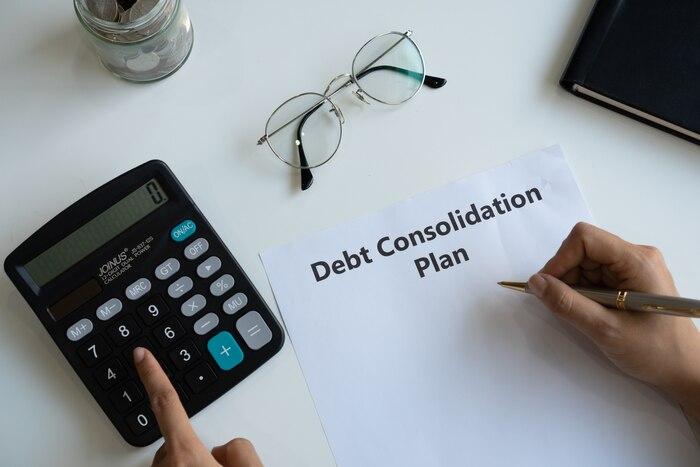
Other times, however, it can be a nightmare. But it doesn’t have to be permanent. An intelligently managed debt consolidation plan will simplify your ongoing debt into a singular payment, which naturally will be a bit easier to manage. Plus, this type of loan will often come with lower monthly payments than what you are currently paying. It’s not a financial package that’s advisable for any kind of debt. But, for specific circumstances, it can be a veritable lifesaver.
What Are Their Tangible Benefits?
Above all else, a debt consolidation plan is an efficient way to remove complexity from your monthly financial planning. There will no longer be a need to set up reminders for each of your current debt obligations. Everything will be replaced with one due date, one lender, and one payment. The risk of late fees will therefore be reduced and missed payments should become something of a rarity.
But that’s not the only benefit. It may:
- Reduce your total interest cost, particularly if you previously managed high-interest credit card balances
- Improve your current cash flow
- Make it easier to acquire new loans in the future
- Reduce your monthly financial strain
How it works is simple. A debt consolidation loan in Singapore is, ultimately, a type of personal loan that’s used solely for paying off existing debt and replacing it with a new, more advantageous payment. The lender will give you the exact borrowing amount required to pay off your existing financial obligations, and then you will need to pay him back plus interest.
Usually, this is a financially advantageous move. Such a plan can provide a structured repayment framework that’s easy to follow and can make it easy to plan your finances years into the future. Plus, these financial packages don’t require extensive paperwork, and you can get one from your local private lender. Are there only benefits to them? No, after all, no loan package is perfect. But they are great at what they set out to do.
 A Great Choice for Specific Circumstances
A debt consolidation loan in Singapore might not be worthwhile if the new interest rate is significantly higher than your existing rates. Nor is it a good idea if the administrative fees of the loan outweigh any potential savings. DCLs cannot eliminate debt. They reorganise it and make it easier to handle.
For many, this is enough, while for others, they are not worthwhile as they don’t address the underlying overspending habits that have led to debt in the first place. That said, the objective benefits of a debt consolidation loan are hard to ignore, and in the right set of circumstances, it can be a more than advantageous solution.