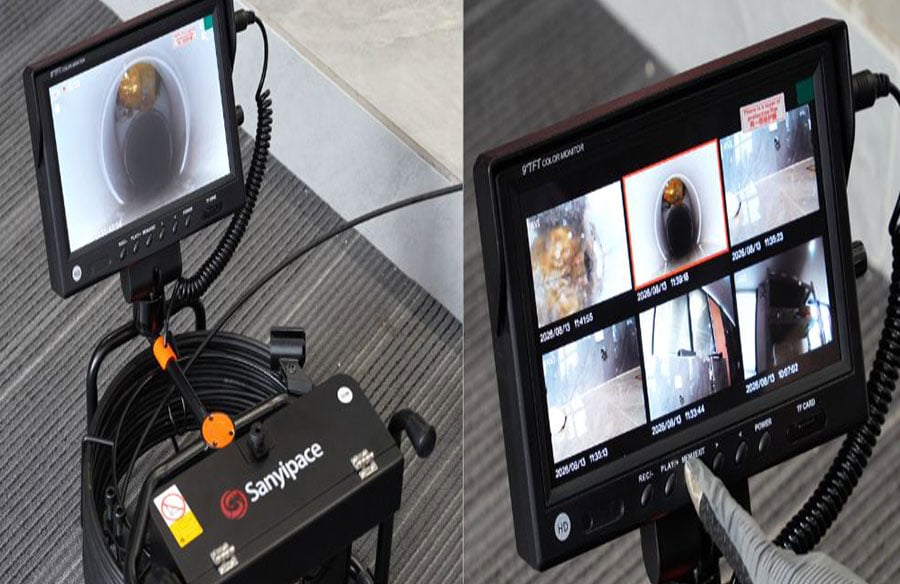
Pipes are largely hidden behind walls, beneath floors, and underground, yet they play an essential role in every residential and commercial building. When a drainage problem develops, it is not always possible to identify the cause from the surface alone.
A pipe inspection provides a closer look inside the system, helping property owners, plumbers, and construction professionals detect blockages, cracks, corrosion, and other potential issues. With inspection equipment from brands such as SANYIPACE, this process can be carried out with greater accuracy and less unnecessary disruption. But what exactly does a pipe inspection involve, and when is one needed?
What Is a Pipe Inspection?
A pipe inspection is the process of examining the internal condition of a pipe system to identify damage, blockages, deterioration, or other potential issues. Unlike traditional methods that often rely on external symptoms, modern pipe inspections allow professionals to directly observe what is happening inside drainage and plumbing systems.
Pipe inspections are commonly used for:
- Residential properties
- Commercial buildings
- Renovation projects
- Drainage systems
- Underground pipelines
For architects, contractors, and building professionals, understanding the condition of hidden infrastructure is an important part of managing a building throughout its lifecycle.
A building may appear structurally sound from the outside, but aging or damaged pipe systems can create unexpected challenges if they are not properly assessed.
Why Are Pipe Inspections Important for Modern Buildings?
Much of a building’s infrastructure is hidden by design. Drain lines run behind walls, below finished floors, and beneath the ground, where their condition is easy to ignore until something goes wrong. A pipe can develop a crack, collect years of buildup, or shift at a joint without leaving an obvious clue at the surface.
That uncertainty can be costly, especially in older buildings. A renovation may begin with new finishes and updated fixtures, only for the crew to discover that the existing drainage system also needs attention. By that point, newly completed work may have to be opened or removed.
A pipe inspection gives property owners, architects, contractors, and maintenance teams a look at the system before they make those decisions. It does not eliminate every surprise, but it can reveal whether a line appears clear and intact or whether further cleaning, repair, or investigation is warranted.
What Problems Can a Pipe Inspection Identify?
A slow drain tells you that water is not moving as it should. It does not explain why. The same symptom may come from a grease deposit, a foreign object, tree roots, or a damaged section of pipe. A camera inspection helps separate those possibilities.
1. Blockages and Buildup
Grease, soap residue, mineral deposits, organic matter, and construction debris can gradually reduce the open space inside a drain. In other cases, a single object may become lodged in the line and collect more material around it.
Seeing the obstruction helps an operator judge what kind of cleaning is likely to work. Soft buildup may call for a different approach than roots or a solid object. It also helps avoid repeatedly clearing the same section without finding out why the blockage keeps returning.
2. Cracks and Deterioration
Age is not the only reason a pipe can crack. Ground movement, corrosion, poor installation, and pressure from surrounding soil may all contribute to damage.
An inspection may show fractured pipe walls, holes, worn surfaces, or an open joint between two sections. It can also indicate whether the defect appears isolated or extends farther along the line. That distinction matters when deciding between a local repair and a larger replacement project.
3. Root Intrusion
Roots usually enter through an opening that already exists, such as a loose joint or a small crack. Once inside, they can spread through the pipe and trap grease, paper, and other debris.
A camera can show both the root mass and the condition of the pipe around it. Removing the roots may restore flow, but if the entry point is not addressed, the problem may return. The inspection therefore helps determine whether cleaning alone is enough.
4. Misaligned Joints, Sags, and Deformed Pipe
Buried pipes can move as soil settles. One section may drop below another, a joint may separate, or part of the line may lose its proper slope. Water and waste can then collect in the low area instead of flowing freely.
These conditions are difficult to confirm from above ground. Camera footage can reveal standing water, offsets, deformed walls, and separated connections that help explain recurring drainage problems.
How Does a Pipe Inspection Work?
Most residential and light-commercial inspections use a waterproof camera mounted on the end of a flexible push cable. The camera sends a live image to a monitor while the operator guides it through the line.
The details vary from one property to another, but the job usually follows four basic stages.
1. Reviewing the Pipe and Choosing an Access Point
The operator first considers the type of line being inspected, the symptoms reported, the likely pipe diameter, and the available access points. A cleanout is often the most practical place to enter, although another opening may be used when necessary.
Camera size matters. A head that works well in a small branch drain may not provide adequate coverage in a larger sewer line. Cable length and stiffness also need to match the route, particularly when the pipe includes several turns.
2. Preparing the Line
The inside of the pipe must be visible for the footage to be useful. Heavy debris, grease on the lens, or water covering the camera can hide cracks and joints. If the line is badly obstructed, it may need to be cleared or flushed before a complete inspection can be made.
This step is sometimes overlooked, but poor visibility can turn a technically completed inspection into an inconclusive one.
3. Guiding the Camera Through the Pipe
Once the camera is inserted, the operator advances it gradually while watching the monitor. Built-in lights illuminate the pipe walls, allowing deposits, joints, changes in material, and damaged areas to be examined.
The operator may pause at a suspected defect, adjust the lighting, or move the camera slightly backward and forward to get a clearer view. The goal is not simply to reach the end of the line. It is to collect footage that can be interpreted later.
4. Recording the Location and Findings
When a problem appears on screen, the operator needs to establish where it is. A distance counter can estimate how far the camera has traveled from the entry point. If the camera head includes a compatible transmitter, a receiver above ground may be used to narrow down its location.
Afterward, the footage can be reviewed and the important findings documented. The final recommendation may be cleaning, root removal, a local repair, further testing, or replacement. A camera shows the visible condition inside the pipe, but the repair decision still depends on professional interpretation and the wider circumstances of the building.
What Equipment Is Used During a Pipe Inspection?
The pipe camera gets most of the attention, but image quality depends on the entire system.
1. Pipe Camera Head and Lighting
The pipe camera head must fit the pipe while still producing an image detailed enough to evaluate its condition. Built-in LED lights illuminate the interior, and adjustable brightness can help when pipe size or surface reflectivity changes.
Some camera heads are self-leveling, which keeps the image upright as the camera rotates through the line. This does not change what the camera can see, but it makes the footage easier to follow and review.
2. Push Cable
The cable has two jobs: carrying the camera and transferring the video signal. It needs enough flexibility to negotiate bends, yet enough push strength to travel through longer sections.
There is no single cable that is ideal for every inspection. Small drains with tight turns generally need a different balance of flexibility and stiffness than long, relatively straight sewer lines.
3. Monitoring and Recording System
The monitor provides the live view used during the inspection. A recording function allows footage or still images to be saved for later review.
Clear documentation is useful when several people are involved in a project. Instead of relying on a verbal description, the plumber, contractor, property owner, or design team can look at the same evidence.
4. Distance Counters and Locators
A distance counter estimates the length of cable inserted into the pipe. This provides a practical reference, although bends and cable movement mean it should not be treated as a precise above-ground location.
For more focused locating, selected camera heads contain a sonde that transmits a signal. A compatible receiver can track that signal from the surface. Used together, these tools help reduce the area that must be opened or excavated.
How Are Modern Sewer Cameras Changing Traditional Pipe Inspections?
Before camera systems became widely available, diagnosing a concealed drainage problem often involved a great deal of inference. A plumber could study the symptoms and draw on experience, but confirming the defect might still require opening a wall, removing a fixture, or digging.
Sewer cameras do not remove the need for experience. They improve the information available. An operator can see whether the line is obstructed, whether a joint has moved, or whether roots are entering through a damaged section. Repairs can then be planned around observed conditions instead of guesswork alone.
There is also a communication benefit. A property owner may not immediately understand a technical description of an offset joint or fractured pipe. Footage makes the condition easier to explain and gives everyone involved a common point of reference.
For renovation projects, this can be particularly helpful. Pipe conditions can be reviewed before finishes are installed, and any necessary work can be included in the construction schedule rather than handled as an unexpected interruption.
When Should Property Owners Consider a Pipe Inspection?
A camera inspection is not necessary every time a sink drains slowly. It becomes more useful when a problem keeps returning, when the condition of the line is unknown, or when upcoming work would make a hidden defect expensive to address later.
1. Before Renovating a Kitchen or Bathroom
A remodel often changes fixtures, finishes, and sometimes the plumbing layout itself. If the existing drain lines are old or have a history of problems, inspecting them before construction can be worthwhile.
Finding an issue at this stage gives the project team a chance to deal with it while the area is already being planned and opened. Discovering the same problem after the room is finished is usually far more disruptive.
2. Before Buying an Older Property
A standard home inspection can identify visible plumbing concerns, but it generally cannot show the inside of a buried sewer lateral. Older properties may have pipes made from aging materials, previous repairs of unknown quality, root intrusion, or shifted joints.
A sewer camera inspection adds another piece of information for the buyer. It does not predict exactly how long the pipe will last, but it may reveal conditions that deserve closer review before the purchase is completed.
3. After Repeated Backups or Slow Drains
When a drain is cleared and the same problem soon returns, there may be more going on than ordinary buildup. Roots, a sagging section, a damaged joint, or a partially collapsed pipe can all contribute to repeat blockages.
Inspection footage can help determine whether the line needs another type of cleaning or whether a structural defect is involved.
4. Before Excavation or Major Landscaping
Construction near an underground drain line can affect both the pipe and the work being planned. Locating the camera head and reviewing the line beforehand may help the contractor understand where the pipe runs and whether a damaged section already exists.
This is not a substitute for utility locating services, but it can provide useful information about a private drain or sewer line on the property.
How Does SANYIPACE Support Modern Pipe Inspection?
SANYIPACE develops sewer camera systems for plumbers, contractors, maintenance teams, and property owners who need to inspect drain and sewer lines from the inside.
Available features vary by model. Options include HD video, adjustable LED lighting, self-leveling camera heads, distance counters, and 512 Hz transmission capability for use with a compatible locator. SANYIPACE also offers different camera sizes, cable lengths, and system configurations for a range of inspection environments.
That choice matters because pipe work is rarely one-size-fits-all. A compact camera intended for a narrow residential drain serves a different purpose from a longer system used in commercial or underground lines. Matching the equipment to the pipe is just as important as the features listed on the screen.
The equipment supplies the visual and positional information. Interpreting that information—and deciding whether a pipe should be cleaned, monitored, repaired, or replaced—still depends on the person carrying out the inspection.
How Can Pipe Inspection Improve the Future of Building Maintenance?
Building maintenance has traditionally been reactive: a drain backs up, water appears where it should not, and repairs begin. Camera inspection makes a more preventive approach possible.
A property manager can keep footage from one inspection and compare it with a later visit. A renovation team can investigate questionable lines before finalizing the scope of work. Contractors can show why a particular repair is being recommended instead of asking the owner to rely only on a description.
This kind of documentation will not prevent every failure. Pipes continue to age, soil moves, and unexpected damage occurs. What inspection changes is the amount of information available before a decision is made.
As buildings incorporate more monitoring and maintenance technology, access to hidden systems will become increasingly important. Good design is not only about concealing infrastructure. It is also about making that infrastructure practical to inspect, maintain, and repair throughout the building’s life.
Conclusion
The condition of a building cannot be judged entirely by what is visible. Drainage pipes may be out of sight, but their performance affects sanitation, daily use, renovation planning, and long-term maintenance costs.
A pipe inspection offers a direct look inside those concealed lines. It can identify obstructions, reveal visible damage, document existing conditions, and help locate areas that may need attention. Most importantly, it gives property owners and project teams better information before they commit to cleaning, repair, excavation, or renovation.
That makes pipe inspection more than a troubleshooting tool. Used at the right time, it becomes part of responsible building maintenance.