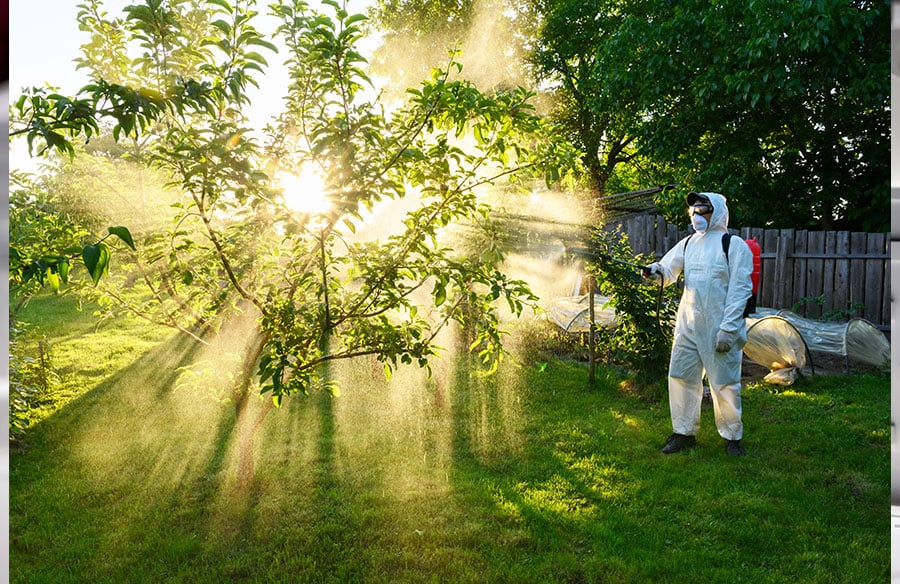
Architects, landscape designers, and homeowners alike are rethinking what it means to coexist with the natural world, and pest management is no exception. As outdoor living spaces become extensions of the home, the methods used to protect them are shifting away from blanket chemical treatments toward strategies that respect ecosystems, soil health, and long-term resilience. This shift is not a passing trend but a fundamental redesign of how we approach the relationship between built environments and the insects, rodents, and wildlife that share our yards. Sustainable pest management is emerging as a design principle as much as a maintenance task, one that blends science, ecology, and thoughtful landscaping.
Understanding why this shift matters requires a look at the environmental cost of conventional pest control. Broad-spectrum pesticides often kill beneficial insects like pollinators and natural predators along with the pests they target, disrupting the delicate balance that keeps yards healthy in the first place. Runoff from treated lawns can contaminate groundwater and nearby waterways, affecting aquatic life far beyond the property line. Homeowners looking for immediate results have historically leaned on these products, but the long-term consequences, including pesticide resistance and soil degradation, have pushed researchers and pest control professionals to reconsider the entire framework. For anyone managing a home landscape this season, reviewing 10 tips to pest proof your yard this summer offers a practical starting point for reducing chemical dependency without sacrificing effectiveness.
Core Principles of Sustainable Pest Management
At its foundation, sustainable pest management relies on prevention rather than reaction. This means addressing the conditions that attract pests, such as standing water, excess moisture, and unmanaged vegetation, before an infestation takes hold. It also emphasizes using the least toxic intervention necessary, reserving stronger treatments for situations where cultural and mechanical controls have proven insufficient. Property owners are increasingly asking pest control providers to explain their methods, favoring companies that prioritize targeted, minimal-impact solutions over routine spraying schedules.
Integrated Pest Management as a Framework
Integrated Pest Management, commonly known as IPM, has become the backbone of modern sustainable practices. This approach combines biological, physical, and chemical tools in a coordinated sequence, always starting with the least invasive option. According to the EPA, effective pest control for consumers involves identifying the pest correctly, understanding its life cycle, and applying control methods that minimize risk to people and the environment. IPM encourages regular monitoring, so treatments happen only when necessary, which reduces both cost and ecological disruption over time.
Building Healthier Outdoor Spaces: Practical Applications
Translating theory into practice means rethinking landscape design from the ground up. Proper drainage, mulch management, and strategic plant placement can significantly reduce pest pressure without a single chemical application. Outdoor lighting choices also matter, since certain wavelengths attract fewer flying insects than traditional bulbs. Homeowners who integrate these considerations early in a landscaping project often find that ongoing maintenance becomes simpler and less reliant on reactive treatments.
10 Tips to Pest Proof Your Yard This Summer
Seasonal vigilance remains essential, and a few consistent habits make a measurable difference. These include sealing gaps around the home’s foundation, trimming vegetation away from structures, eliminating standing water, storing firewood away from the house, and maintaining a consistent mowing schedule to discourage pests like ticks and mosquitoes. Rotating any necessary treatments, encouraging natural predators such as birds and beneficial insects, and keeping compost bins properly managed also contribute to a healthier yard. Regular inspection of outdoor structures and prompt attention to moisture issues round out a comprehensive approach that reduces the need for aggressive intervention later.
The Role of Native Plants and Biodiversity
Landscapes built around native plant species tend to require fewer interventions overall, since these plants have evolved alongside local pest populations and natural predators. Diverse plantings support a wider range of beneficial insects, which in turn keep problematic pest populations in check without human intervention. This approach aligns closely with broader sustainable design practices that prioritize regional ecology over uniform, resource-intensive landscaping. A biodiverse yard is inherently more resilient, better able to absorb minor pest pressures without tipping into full infestation.
Monitoring and Data-Driven Decision Making
Modern pest management increasingly relies on data rather than guesswork. Trap counts, moisture sensors, and seasonal pest activity tracking allow professionals to intervene precisely when and where needed. This data-driven approach reduces unnecessary treatments and helps property owners understand the actual risk level in their specific location. Over time, this record-keeping also reveals patterns that inform smarter landscaping choices for future seasons.
| Practice | Estimated Reduction in Pesticide Use |
| Integrated Pest Management adoption | 30-50% |
| Native plant landscaping | 20-35% |
| Routine monitoring and targeted treatment | 25-40% |
Industry Trends and Future Outlook (2024-2026)
Pest control providers are investing heavily in training and technology to meet growing consumer demand for greener options. Expect wider adoption of biological controls, smarter monitoring tools, and closer collaboration between landscape architects and pest management professionals over the next two years. Regulatory pressure is also nudging the industry toward transparency, with more companies publishing the specifics of their treatment protocols. This convergence of consumer demand, technology, and regulation suggests sustainable methods will soon become the industry standard rather than a niche offering.
Conclusion: Creating Resilient, Sustainable Landscapes
The future of pest management lies in designing outdoor spaces that are naturally resistant to infestation rather than constantly defending them with chemicals. By combining thoughtful landscape design, native plantings, and data-informed monitoring, homeowners and professionals can create yards that are healthier for people, pets, and the surrounding ecosystem. This shift requires patience and a willingness to rethink old habits, but the long-term payoff is a landscape that sustains itself with far less intervention. As more property owners and designers embrace these principles, sustainable pest management will continue to redefine what a healthy outdoor space truly looks like.