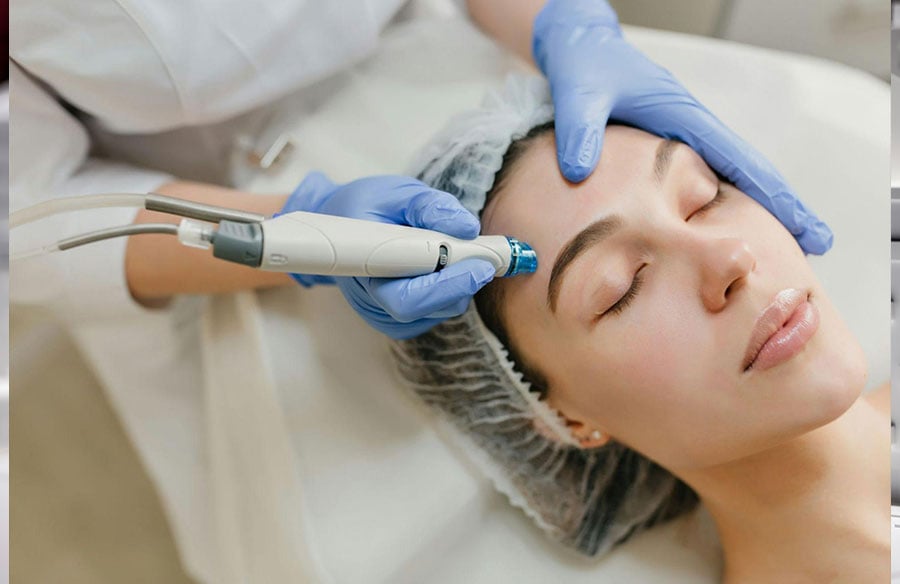
Facial rejuvenation refers to a range of treatments that aim to improve the appearance of aging skin while supporting overall skin health. Advances in medical technology have expanded the available options, allowing practitioners to address specific skin concerns with greater precision and shorter recovery periods than in the past.
Today, facial rejuvenation often combines multiple technologies to improve skin texture, firmness, and tone. Rather than relying on a single treatment, many modern approaches address several visible signs of aging at the same time. This allows treatment plans to be tailored to individual skin concerns while supporting healthier-looking skin over time.
Understanding Technology in Facial Rejuvenation
Technology plays an important role in modern facial rejuvenation by helping practitioners evaluate skin concerns and select treatments that match individual needs. Different technologies target different layers of the skin, making it possible to improve both skin quality and facial appearance.
Common skin concerns that technology-based treatments may help address include:
- Fine lines and wrinkles
- Uneven skin texture
- Sun damage
- Hyperpigmentation
- Acne scars
- Enlarged pores
- Loss of skin firmness
- Mild skin laxity
Many treatments work by stimulating the skin’s natural repair process. This response encourages collagen and elastin production, which may help improve skin texture, firmness, and overall skin health over time.
Laser Technology and Skin Resurfacing
Skin resurfacing is one of the most established technologies used in facial rejuvenation. It refers to treatments that renew the outer layers of the skin while encouraging new collagen production beneath the surface.
Laser resurfacing may help improve:
- Fine lines and wrinkles
- Uneven skin tone
- Rough skin texture
- Acne scars
- Age spots
- Sun damage
Modern fractional laser systems create microscopic treatment zones instead of treating the entire skin surface. This approach allows surrounding tissue to heal more quickly while still improving visible skin concerns. As collagen develops during recovery, many people notice smoother skin texture and a more even complexion.
Artificial Intelligence Supports Personalized Treatment Planning
Artificial intelligence (AI) is becoming an increasingly useful tool in facial rejuvenation. AI-assisted imaging can evaluate facial symmetry, wrinkle depth, pigmentation, and skin texture before treatment begins.
These technologies may help practitioners:
- Assess skin quality
- Identify early signs of aging
- Compare treatment options
- Monitor treatment progress
- Personalize treatment plans
AI supports clinical decision making by providing detailed measurements that can improve treatment planning without replacing professional expertise.
Energy-Based Treatments Improve Skin Firmness
Radiofrequency and focused ultrasound technologies are commonly used to improve skin firmness without surgery. These treatments deliver controlled energy beneath the skin to stimulate collagen production while preserving the outer skin surface.
They may help improve:
- Mild skin laxity
- Fine lines
- Jawline definition
- Neck firmness
Results usually appear gradually as the skin produces new collagen over the following weeks and months.
Microneedling Encourages Natural Skin Renewal
Microneedling uses very fine needles to create controlled micro-injuries in the skin. These tiny injuries activate the body’s natural healing response, encouraging collagen and elastin production.
Microneedling may help improve:
- Acne scars
- Fine lines
- Enlarged pores
- Uneven skin texture
- Mild pigmentation concerns
Some treatment plans combine microneedling with platelet-rich plasma (PRP) or specialized topical products that may support skin recovery and overall skin health.
Technology Also Supports Surgical Facial Rejuvenation
While non-surgical treatments can improve skin texture and firmness, some individuals with moderate to advanced facial aging may also consider surgical procedures that reposition deeper facial tissues. When comparing different facelift techniques, understanding the recovery time for deep plane facelift can provide useful context alongside information about the procedure itself, helping patients develop realistic expectations about healing and returning to normal daily activities.
Combination Treatments Address Multiple Skin Concerns
Many facial rejuvenation plans combine several technologies because different treatments target different skin concerns.
A personalized treatment plan may include:
- Laser resurfacing for skin texture
- Radiofrequency for skin tightening
- Microneedling for collagen stimulation
- Injectable treatments for volume restoration
- Medical-grade skincare for maintenance
Combining treatments allows practitioners to address multiple concerns while creating balanced, natural-looking improvements.
Medical-Grade Skincare Supports Overall Skin Health
Professional skincare products are often recommended alongside facial rejuvenation treatments because active ingredients continue supporting skin health between procedures.
Common active ingredients include:
- Retinoids, which may help improve skin renewal
- Vitamin C, which may help brighten uneven skin tone
- Niacinamide, which may help strengthen the skin barrier
- Peptides, which may support collagen production
- Ceramides, which help maintain skin hydration
- Broad-spectrum sunscreen, which helps protect against UV damage
Selecting active ingredients based on individual skin concerns may improve treatment outcomes and support healthier skin over time. Consistent sun protection also helps maintain treatment results by reducing additional UV-related skin damage.
Recovery and Long-Term Skin Care
Modern facial rejuvenation technologies are designed to improve treatment precision while reducing unnecessary damage to surrounding tissue. Many procedures can offer reduced downtime, less redness, and faster healing compared with older treatment methods.
Following aftercare instructions remains an important part of maintaining results. A consistent skincare routine that includes sunscreen, moisturizer, and appropriate active ingredients may help protect collagen and support overall skin health after treatment.
Conclusion
Technology continues to transform facial rejuvenation by providing more targeted ways to address common skin concerns such as wrinkles, uneven texture, pigmentation, and mild skin laxity. Modern treatments combine advanced devices, evidence-based skincare, and carefully selected active ingredients to support collagen production and improve overall skin health.
Understanding how each technology works makes it easier to choose treatments that align with individual goals. Whether the focus is improving skin texture, enhancing firmness, or learning about surgical options and the recovery time for deep plane facelift, a personalized approach guided by qualified professionals may help achieve balanced, natural-looking results while supporting long-term skin health.