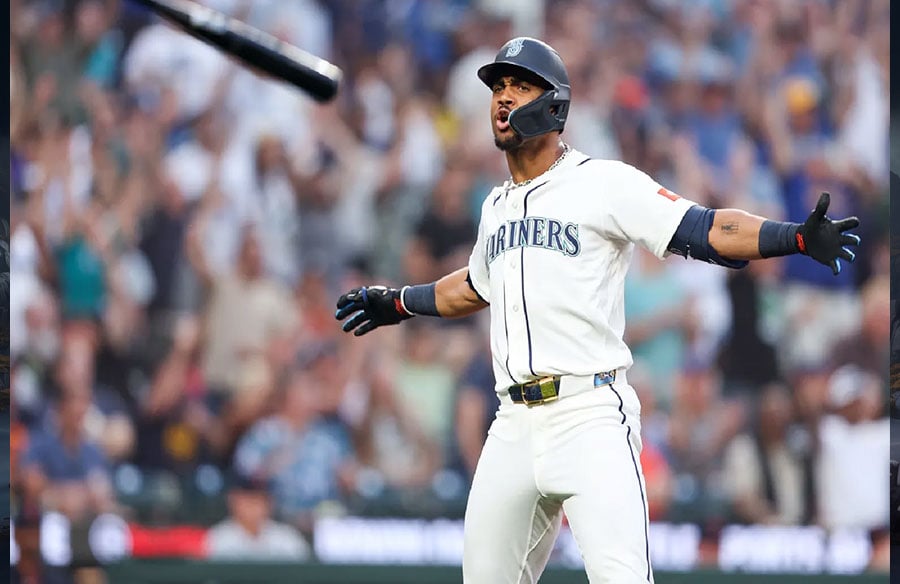
Baseball has always been a sport built around moments. A pitcher’s reaction after a strikeout, a batter watching a home run leave the stadium, a rookie celebrating a first career hit, or a team gathering after a dramatic victory can all become images that define a season.
For more than a century, MLB photographers have played a crucial role in preserving baseball history. Iconic photographs have captured legendary players, unforgettable games, and emotional moments that live far beyond the final score. However, the way photographers capture and distribute these moments is changing rapidly.
The future of MLB photojournalism will be shaped by new technology, changing media habits, and increased demand for instant visual content. For baseball photographers, adapting to these changes while maintaining the storytelling principles that make great sports photography valuable will be the biggest challenge.
The Evolution of MLB Photography
Baseball photography has transformed significantly since the early days of Major League Baseball. Historically, photographers worked with film cameras, limited exposures, and lengthy development processes. Capturing a meaningful moment required patience, preparation, and an understanding of the game.
Today, MLB photographers have access to advanced digital cameras capable of capturing thousands of images during a single game. High-speed autofocus, improved lenses, and sophisticated camera systems allow photographers to capture moments that were nearly impossible to freeze decades ago.
A photographer covering a team like the Seattle Mariners at T-Mobile Park is no longer simply waiting for a batter to make contact or a pitcher to deliver a strikeout. Modern baseball coverage involves documenting the entire experience, the players, coaches, fans, stadium atmosphere, and emotions that surround every game.
The best MLB photography tells a complete story. A powerful image may not always be the biggest play of the night. It could be a young player preparing before his first start, a veteran reflecting in the dugout, or fans reacting to a historic moment.
The Demand for Instant MLB Content
One of the biggest changes in baseball photojournalism is the speed at which images are expected to be delivered.
In the past, a photograph might appear in a newspaper the following day or in a magazine weeks later. Today, fans expect to see game highlights, player reactions, and memorable images almost immediately after they happen.
MLB teams, sports websites, broadcasters, and social media accounts all depend on photographers to deliver fast, high-quality visuals.
A photographer covering an MLB game, for example, may capture a walk-off hit in the ninth inning and immediately need to:
- Select the strongest images
- Edit and process files
- Add accurate captions and metadata
- Upload images for publication
- Share content across digital platforms
Speed has become a major part of the job, but it has not replaced the importance of storytelling. The challenge for photographers is producing images quickly without sacrificing creativity or quality.
How AI Will Impact MLB Photography
Artificial intelligence is becoming one of the most discussed technologies in photography. For MLB photographers, AI tools have the potential to improve workflows and help manage the enormous volume of images created during a baseball season.
A single MLB photographer may capture thousands of images during a game and hundreds of thousands throughout a season. Organizing, tagging, and finding specific images from large archives can be time-consuming.
AI tools can assist with:
- Image organization
- Player recognition
- Searching archives
- Basic editing adjustments
- Workflow automation
However, AI also creates challenges for professional photographers. Baseball photography depends on authenticity. Fans, publications, and teams want real images from real moments.
AI may help photographers work more efficiently, but it cannot replace the instinct required to anticipate a great photograph. Understanding when a player is about to celebrate, recognizing an emotional moment developing in the dugout, or predicting the perfect angle for a defensive play still requires human experience.
The Importance of Editorial MLB Photography
Editorial sports photography remains one of the most important ways baseball stories are told.
Statistics can explain what happened during a game, but photographs capture the emotion behind those statistics. A box score can show that a player hit a game-winning home run, but a photograph can show the celebration, the crowd reaction, and the emotion of the moment.
For MLB coverage, editorial images are essential for:
- Game recaps
- Player features
- Team analysis
- Historical storytelling
- Sports journalism
- Fan engagement
A photograph of a Seattle Mariners player celebrating a major victory can become part of the team’s visual history. Images of players, fans, and important moments help preserve the identity of a franchise and connect generations of fans.
Professional baseball photographers are not just documenting games—they are creating archives that tell the story of the sport.
The Challenge of Standing Out
Technology has made it easier than ever for people to take and share high-quality photos. Smartphones, social media, and digital platforms have created more competition for professional photographers.
For MLB photographers, simply capturing a technically perfect image is no longer enough. The most successful photographers are those who understand storytelling and consistently find unique perspectives.
A great baseball photograph often captures something beyond the action.
For example, thousands of photographers may capture a player hitting a home run, but the image that becomes memorable might be:
- The player’s emotional reaction rounding the bases
- Teammates celebrating in the dugout
- Fans celebrating in the stands
- A family member watching from the crowd
- A quiet moment before the game
These details separate documentary photography from simple event coverage.
New Opportunities for Baseball Photographers
While the industry has changed, new opportunities have emerged for photographers who understand digital media.
MLB photographers today can build careers through multiple channels, including:
- Working with teams and publications
- Selling editorial images
- Building social media audiences
- Creating personal photography brands
- Licensing photo collections
- Covering specific teams or players
Independent photographers now have more ways to showcase their work and connect directly with audiences.
For photographers covering teams like the Seattle Mariners, building a recognizable style and becoming a trusted source of baseball imagery can create opportunities beyond traditional media outlets.
The Future of MLB Photojournalism
The future of MLB photography will likely combine advanced technology with traditional storytelling skills.
Cameras will continue improving. Editing tools will become faster. AI will influence workflows. Distribution will become even more immediate.
However, the core purpose of baseball photography will remain the same: capturing moments that matter.
The photographers who succeed in the future will be those who embrace new technology while continuing to develop their creative instincts. They will understand that baseball is not only about statistics and results—it is about people, emotions, traditions, and unforgettable moments.
Whether it is a championship celebration, a rookie’s first big-league achievement, or a dramatic game at T-Mobile Park, MLB photographers will continue preserving the moments that define the sport.
MLB photojournalism is entering a new era. Technology is changing how photographers work, but the value of authentic storytelling has never been greater.
As baseball continues to evolve, photographers will remain responsible for capturing the images that help fans experience the game beyond the scoreboard. The tools may change, but the mission remains the same: telling the story of baseball one photograph at a time.