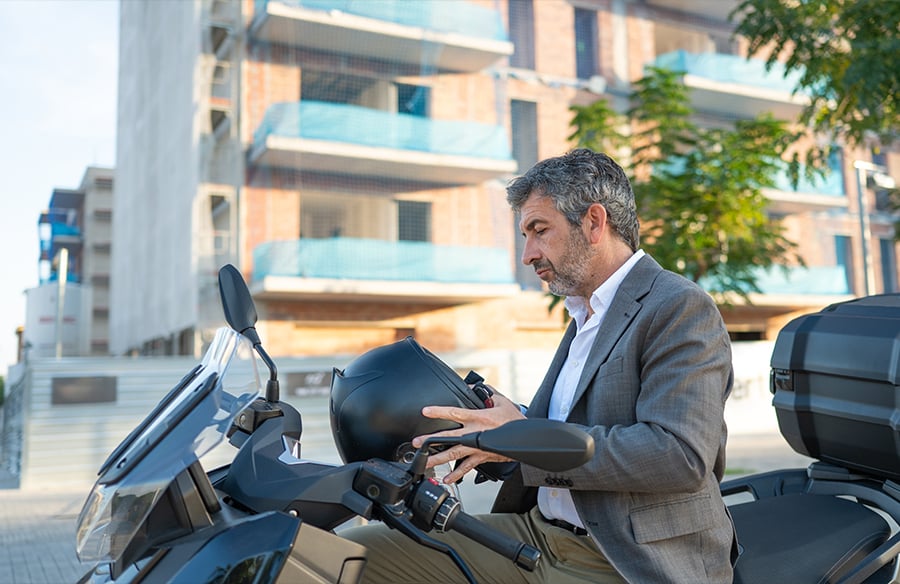
Over 200,000 people nationwide use motorcycles as their main mode of transport, so many navigate dense metropolitan streets daily and face high risks at busy urban intersections. Cities are evolving rapidly, but rider safety infrastructure often lags behind automotive advancements. Modern municipal planning requires a radical shift in perspective to protect vulnerable road users from preventable accidents.
Urban planners now look closely at urban road infrastructure data to redesign dangerous corridors and complex junctions. Traditional street designs routinely fail to account for the unique physics and reduced visibility profiles of two-wheeled vehicles. By addressing intersection complexity and adjusting speed limits, municipalities can drastically reduce severe collision frequency.
Municipal budgets must allocate specific funds to redesign turning lanes and install high-visibility signage. Engineering safer roads means recognizing that motorcycles require different geometric tolerances than standard passenger cars. Civil engineers are testing specialized high-friction pavement surfaces to prevent sliding during emergency braking.
 Integrating Vehicle-to-Everything Networks
Connectivity serves as the digital backbone of modern urban traffic management systems. Cities increasingly rely on V2X communication frameworks to broadcast real-time hazards directly to nearby traffic. This advanced infrastructure lets traffic lights and connected cars communicate with motorcycles long before a driver sees them.
Field deployments across various transportation departments demonstrate how connected vehicle technology actively prevents intersection crashes. Municipalities testing these systems report fewer blind-spot incidents during peak rush-hour traffic conditions. Riders benefit immensely when surrounding cars receive automated dashboard warnings about approaching motorcycles.
Urban centers adopting edge computing frameworks experience unprecedented reductions in traffic conflicts. Intelligent intersections equipped with dedicated short-range communications broadcast signal phase and timing data instantly. Motorcycles with compatible transponders can anticipate light changes and smoothly reduce speed, avoiding sudden braking that causes rear-end collisions.
Despite these advances, unexpected accidents still happen on complex roadways like those in Texas. When collisions occur due to municipal oversight or negligent drivers, riders often require specialized legal guidance and motorcycle injury representation in Houston to secure fair financial compensation. Navigating the aftermath of a severe crash demands experienced advocates who understand both traffic technology and local liability laws, so technical innovation must therefore go hand in hand with robust legal protections for injured riders.
Advanced Rider Tech And Smart Helmets
Hardware worn directly by the rider represents the final frontier of urban safety design. Innovations in collision-avoidance systems integrate seamlessly into modern helmets to project vital telemetry into the rider’s field of view. These smart wearables help operators maintain full situational awareness without taking their eyes off the pavement.
The evolution of smart gear relies on several key hardware components operating simultaneously
- Heads up displays project speed and hazard alerts directly onto the visor
- Integrated proximity sensors detect vehicles lingering in immediate blind spots
Manufacturers continue to refine these wearable tools for everyday commuters who face unpredictable weather and aggressive drivers. Investing in advanced hardware bridges the gap between old asphalt and futuristic urban transit networks. Helmet manufacturers are also incorporating structural carbon fiber matrices that absorb kinetic energy far more efficiently than traditional fiberglass shells.
Dynamic Weather Responsive Road Sensors
Urban microclimates present severe hazards for riders facing sudden wet or icy conditions on elevated roadways. Smart city grids now deploy embedded optical sensors that monitor surface moisture and temperature in real time.
These sensors feed data directly into municipal traffic management software, warning riders long before they reach slick bridge decks. Variable message signs also adjust speed limits automatically when hazardous pooling is detected.
Automated Emergency Crash Response Systems
Minimizing response times after a severe collision dramatically alters recovery outcomes for injured operators. Modern connected bikes utilize integrated telematics that instantly transmit crash telemetry and precise GPS coordinates to emergency dispatchers. This automated notification layer removes critical delays when a rider is incapacitated following a high impact collision. Emergency services can deploy medical units with exact location data instantly, bypassing the need for distressed bystander calls.
Intelligent Traffic Signal Prioritization
Intersection safety remains a persistent challenge for two wheeled commuters navigating heavy metropolitan traffic. Advanced urban networks now implement adaptive signal timing that recognizes approaching motorcycles and extends green phases. This infrastructure adjustment prevents risky lane filtering maneuvers and reduces stressful acceleration bursts in dense congestion.
It’s also an example of how smart cities must consider community input during the planning phase. There’s little point in making sweeping changes without checking that they will benefit every resident, not just a few.
Building Safe Corridors For Tomorrow
Municipal investments in smart city infrastructure shape the future of urban transportation for all motorists. Cities that prioritize rider safety set a high standard for global transit networks looking to lower fatality rates.
For further reading on municipal transportation trends, check out our blog posts covering smart transit evolution. The journey toward completely safe urban roadways remains ongoing, but the technological tools are finally falling into place.