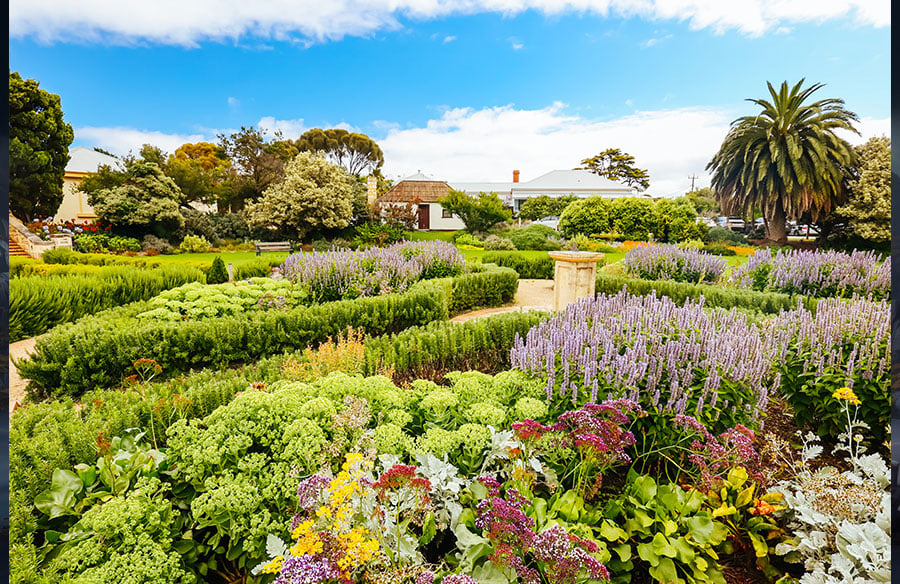
A recent survey shows how different areas style their gardens. Not surprisingly, climate is one of the biggest influences on garden design across the UK.
Temperature, rainfall, sunlight, and soil conditions all affect which plants thrive and which garden styles are practical to maintain. It is no coincidence that gardens in different regions often look dramatically different.
Here’s how to choose plants and layouts that suit your local environment, creating outdoor spaces that are both beautiful and sustainable.
Choosing Plants for Warmer Regions
In warmer parts of the country, particularly Southern England, gardeners can enjoy a wider selection of sun-loving plants.
Mediterranean-inspired planting schemes have become increasingly popular, with species such as lavender, rosemary, and salvias providing colour, fragrance, and drought tolerance.
These plants require less frequent watering than many traditional garden favourites, making them a practical choice during periods of dry weather. Ornamental grasses can also add movement and texture while helping to reduce overall maintenance requirements.
Gardening in Cooler and Wetter Conditions
Further north, cooler temperatures and higher rainfall create ideal conditions for lush, green landscapes. Ferns, hostas, hydrangeas, and hellebores thrive in these environments, bringing texture and seasonal interest to gardens throughout the year.
Many gardeners in Scotland, Northern England, and parts of Wales embrace planting schemes that celebrate these conditions rather than trying to replicate styles better suited to warmer regions.
The result is often a garden that feels naturally connected to its surroundings and requires less intervention to remain healthy.
Why Climate-Appropriate Planting Matters
Choosing plants that are suited to local conditions offers benefits beyond appearance alone. Climate-appropriate planting typically reduces water consumption, minimises plant losses, and lowers maintenance requirements.
Gardens designed around the realities of their environment are often more resilient during extreme weather events, making them a practical long-term investment for homeowners.
The Cultural Influences Behind Regional Garden Styles
Climate plays a key role in determining what grows well, but cultural traditions often shape how gardens are designed and enjoyed.
Across the UK, regional heritage continues to guide planting choices, layouts, and distinctive landscaping features, giving each area its own special character.
Historical Traditions That Still Shape Today’s Gardens
Cottage gardens, strongly associated with southern England, remain one of the most loved and recognisable styles in the country.
With their densely planted borders, meandering paths, and generous displays of flowers, they capture centuries of rural gardening heritage in a warm and inviting way.
In the Midlands, formal gardens draw inspiration from historic estates and grand country houses. Neatly clipped hedges, symmetrical layouts, and carefully structured planting schemes continue to attract homeowners who appreciate a timeless, elegant look.
Further north, Scottish gardens often reflect the rugged beauty of the surrounding landscape. The use of heather, Scots pine, and natural stone creates outdoor spaces that feel closely connected to the region’s history and geography.
Gardens as an Expression of Local Identity
Gardens frequently serve as a living expression of local pride and identity. In Wales, for instance, the popularity of native wildflowers highlights a deep appreciation for the country’s natural landscapes.
In other regions, traditional gardening methods and favourite plant varieties are carefully preserved, helping to keep local customs alive for future generations.
Ultimately, gardens are far more than collections of plants. They are vibrant reflections of local heritage, personal values, and the unique spirit of each part of the UK.
Sustainability Trends Reshaping UK Gardens
Alongside regional traditions, sustainability is becoming one of the most influential forces shaping modern garden design. Homeowners are increasingly looking for ways to create attractive outdoor spaces while reducing environmental impact.
The Growing Popularity of Native Planting
Native plants have gained significant popularity in recent years, and for good reason. Because they are naturally adapted to local conditions, they generally require less water, fertiliser, and maintenance than non-native species.
Native planting can also provide valuable habitat for pollinators, birds, and other wildlife. By supporting local ecosystems, gardeners can create spaces that are both visually appealing and environmentally beneficial.
Vertical Gardens for Smaller Spaces
Urban gardeners are finding creative ways to maximise limited outdoor areas. Vertical gardens have emerged as a practical solution for balconies, courtyards, and compact gardens where planting space is restricted.
Living walls, climbing plants, and wall-mounted planters can transform otherwise unused surfaces into vibrant green features.
Beyond their visual appeal, vertical gardens can improve air quality and cool down the air in the warmer months.
Creating a More Sustainable Outdoor Space
Sustainability does not require a complete garden redesign. Simple changes such as incorporating native species, collecting rainwater, and composting garden waste can make a real difference.
Many homeowners are discovering that environmentally conscious gardening often results in lower maintenance requirements and healthier, more resilient gardens.
As awareness continues to grow, sustainable practices are likely to become a solid trend across UK garden design.
How to Choose a Garden Style for Your Property
Selecting a garden style becomes much easier when you consider both your local environment and your personal preferences. The most successful gardens strike a balance between practicality and visual appeal.
Start With Your Local Conditions
Before choosing plants or design features, assess your property’s conditions. Consider factors such as sunlight levels, soil type, drainage, and exposure to wind. Working with these natural characteristics rather than against them often leads to better long-term results.
Draw Inspiration From Regional Traditions
Looking at popular garden styles in your region can provide valuable inspiration. Local designs have often evolved in response to climate and landscape conditions, making them a reliable starting point for homeowners seeking ideas that actually work.
Incorporate Modern Gardening Trends
While regional influences are important, there is no reason to limit yourself to one style. Many modern gardens successfully combine traditional elements with contemporary features.
This approach lets you create spaces that feel both personal and practical.
Bringing Regional Inspiration Into Your Own Garden
One of the most enjoyable aspects of garden design is borrowing ideas from different regions and adapting them to suit your own space.
Plant Choices That Capture Regional Character
Plant selection is one of the easiest ways to reflect a particular regional style. Roses and lavender can evoke the charm of Southern England. Meanwhile, ferns, heathers, and native grasses can create a landscape inspired by Scotland or Wales.
Choosing plants that suit your local growing conditions keeps the design authentic, while improving long-term success.
Design Features That Reflect Local Styles
Hard landscaping can be just as influential as planting. Stone pathways, dry-stone walls, decorative borders, water features, and structured hedging all contribute to a garden’s overall character.
By combining carefully chosen materials with appropriate planting schemes, you can create gardens that capture the essence of a particular style without feeling forced or artificial.
When to Call in Professional Gardeners
If you want to recreate popular garden styles UK regions are known for, professional gardening services can be a worthwhile investment.
Experienced gardeners understand how local climate, soil conditions, and planting requirements influence long-term success, helping to create outdoor spaces that are both attractive and practical.
Whether you are aiming for a traditional cottage garden, a formal landscaped design, or a wildlife-friendly retreat, professional guidance can help.
Experts can bring your vision to life while avoiding costly mistakes. With proper planning and ongoing maintenance, it becomes much easier to achieve a garden that reflects regional character and continues to thrive throughout the seasons.
Conclusion
Whether you favour neat symmetry or relaxed abundance, your garden offers a wonderful opportunity to celebrate the unique spirit of your part of the UK.
Why not take inspiration from your region’s most popular style, or blend elements that speak to you? Start today, and create a garden that feels truly your own.