
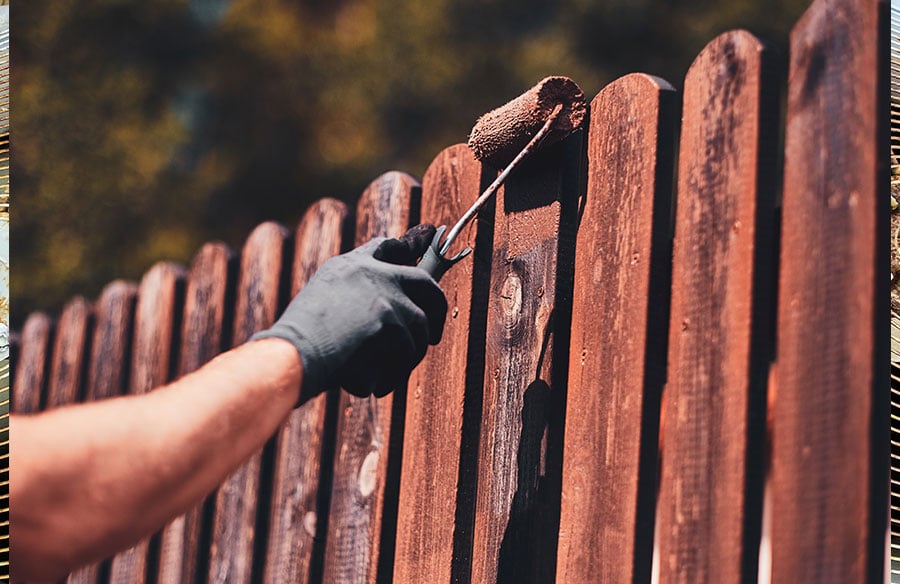
A wood fence is one of those features homeowners rarely think about until it starts to look weathered, gray, and dried out from years of Texas sun. By the time the boards have faded and the surface feels rough to the touch, the fence has already been losing its protection for a while. Staining is what keeps a wood fence from drying out, cracking, warping, and eventually rotting under the relentless North Texas weather. The catch is that timing matters enormously, and in Plano the summer heat creates a narrow and sometimes tricky window for getting it right. Stain needs the right temperature, the right moisture conditions, and the right dry stretch to penetrate and cure properly. Apply it on a day that is too hot, and the stain flashes off the surface before it can soak in. Apply it when the wood is too damp, and it will not absorb correctly and may peel or look blotchy. Get the timing right, however, and a good stain job can protect a fence for years while keeping it looking rich and intentional. Understanding the relationship between heat, moisture, and timing is the key to a fence stain that actually lasts.
This guide walks through when and how to stain a wood fence in the Plano climate, why the brutal summer heat complicates the process, and what proper preparation looks like. Many homeowners assume that the hottest, driest months are ideal for staining, but the reality is more nuanced than that. Extreme heat can actually work against a good stain job, causing it to dry too fast and bond poorly to the wood. A knowledgeable painter Plano residents trust with this kind of work will pay close attention to temperature, humidity, recent rainfall, and the condition of the wood before ever opening a can of stain. The sections below cover the best timing for fence staining, how to prepare the wood, which products and techniques hold up in the heat, and how to maintain a stained fence over time. The goal is to give Plano homeowners a clear, practical understanding of how to protect their fence in a demanding climate. With the right timing and approach, a stained fence can stay handsome and protected through many Texas summers.
Best Time to Stain a Fence in the Plano, TX Climate
Timing is the single most important factor in a successful fence stain, and the Plano climate makes it more complicated than it might seem. The wood needs to be dry, the temperature needs to sit in a workable range, and the forecast needs to offer enough dry time for the stain to cure. Summer heat can push conditions outside that ideal range, which is why understanding the timing is so valuable. Getting the season, the temperature, and the moisture conditions right sets the foundation for a stain that penetrates and lasts.
Why Texas Summer Heat Affects Fence Staining
The intense heat of a Plano summer presents real challenges for staining a wood fence, even though many people assume hot and dry is ideal. When surface temperatures climb too high, stain dries far too quickly, evaporating before it has a chance to penetrate into the wood grain. Stain works by soaking into the wood and bonding with the fibers, and that process requires time that extreme heat simply does not allow. A stain that flashes off the surface sits on top rather than absorbing, which leads to a weaker bond, blotchy appearance, and shorter lifespan. Direct sun beating on a fence can drive surface temperatures well above the air temperature, compounding the problem on hot afternoons. This is why staining in the middle of a blazing summer day often produces disappointing results. The heat that homeowners assume is helpful can actually sabotage the entire job. Understanding this counterintuitive reality is the first step to timing the work correctly.
Surface temperature, not just air temperature, is what really matters when staining in the heat. A fence in full sun can be significantly hotter than the surrounding air, especially in the afternoon when the boards have been absorbing sunlight for hours. Most stain products specify a temperature range for application, and exceeding the upper limit causes the stain to behave poorly. Working on the shaded side of the fence, or following the shade as it moves throughout the day, helps keep surface temperatures in a workable range. Many experienced applicators start early in the morning before the heat builds and avoid the hottest part of the afternoon entirely. This approach lets the stain penetrate before the sun drives conditions out of range. Paying attention to where the sun is hitting the fence at any given moment is a practical way to manage the heat. The difference between staining in shade and staining in direct afternoon sun can be dramatic.
Humidity and recent rainfall add another layer of complexity to summer fence staining in Plano. While the heat can dry stain too fast, the wood itself needs to be properly dry before staining for the stain to absorb correctly. After a rain, a fence needs several days of dry weather to release the moisture it absorbed before it is ready to stain. Applying stain to wood that is still holding moisture leads to poor penetration, peeling, and a blotchy finish that does not last. Summer storms common to North Texas can interrupt staining plans and reset the drying clock just as the wood is ready. Checking the recent weather and the moisture content of the wood before staining prevents this common mistake. The ideal window combines warm but not extreme temperatures with a stretch of dry weather both before and after application. Reading these conditions correctly is what separates a lasting stain job from one that fails early.
Ideal Temperature and Weather for Staining a Fence
The ideal conditions for staining a fence fall within a moderate temperature range that allows the stain to penetrate and cure properly. Most stains perform best when applied in temperatures roughly between the mid sixties and mid eighties, avoiding both extreme heat and cold. Within this range, the stain has enough time to soak into the wood before it begins to set, producing a stronger bond and more even appearance. In Plano, this often means targeting late spring or early fall for major fence staining projects when the weather is more cooperative. During the peak of summer, staining is still possible but requires working in the cooler parts of the day and following the shade carefully. Choosing the right temperature window dramatically improves the quality and longevity of the finish. Working within the recommended range is one of the simplest ways to set a stain job up for success.
The forecast around the staining day matters just as much as the conditions on the day itself. Stain needs a stretch of dry weather after application to cure fully, typically at least a day or two without rain. Rain on freshly applied stain can wash it out, cause streaking, and ruin an otherwise good job before it has set. Checking the forecast for a clear window of several dry days before and after staining helps avoid this costly setback. In a North Texas summer, where afternoon storms can appear with little warning, watching the forecast closely becomes especially important. Planning the project around a reliably dry stretch protects all the effort that goes into preparation and application. The wood also needs to have been dry leading up to the project, so recent rain free days are part of the equation. Aligning the work with a stable weather window is essential in a climate prone to sudden storms.
Time of day and sun exposure round out the picture of ideal staining conditions. Even on a day with a good forecast, the timing within that day affects how well the stain performs. Early morning is often the best time to start, since temperatures are lower and the wood has not yet absorbed the full force of the day’s sun. Staining in the shade, or following the shade around the fence, keeps surface temperatures manageable and gives the stain time to penetrate. Avoiding the direct midday and afternoon sun on hot days prevents the stain from drying too quickly. Some applicators stain the east facing side in the morning and the west facing side later in the day to stay ahead of the sun. This kind of attention to sun exposure makes a meaningful difference in the final result. Managing both the day and the time of day is part of doing the job right in a hot climate.
How Often a Wood Fence Needs Restaining
Understanding how often a fence needs restaining helps homeowners protect their investment and plan ahead. Most wood fences need to be restained every two to four years, though the exact interval depends on several factors. The type of stain used, the quality of the original application, the wood species, and the amount of sun exposure all influence how long a stain lasts. In the harsh Plano sun, fences often need attention closer to the shorter end of that range, since intense ultraviolet exposure breaks down stain faster. South and west facing fence sections that get the most sun tend to fade and wear before shaded areas do. Keeping an eye on the condition of the fence rather than relying solely on a fixed schedule is the best approach. Catching the need for restaining early prevents the wood from deteriorating in the meantime.
Recognizing the signs that a fence needs restaining is straightforward once homeowners know what to look for. Fading color, a grayish or weathered appearance, and a rough or dried out surface texture all indicate that the stain has worn thin. Water no longer beading on the surface is a clear sign that the protective layer has broken down and the wood is absorbing moisture again. Cracking, splitting, or visible drying of the boards suggests the wood is no longer adequately protected from the elements. These symptoms tend to appear first on the sunniest sections and gradually spread across the fence. Performing a simple water test, by sprinkling water on the boards to see whether it beads or soaks in, reveals how much protection remains. Addressing these signs promptly keeps the fence in good condition and avoids more serious damage. Regular observation makes it easy to time the next staining before the wood suffers.
The cost of delaying restaining can be significant, which is why staying ahead of it matters. When stain wears off completely, the bare wood is exposed to sun, rain, and temperature swings that cause it to dry, crack, warp, and eventually rot. Once a fence reaches that point, restaining alone may not be enough, and damaged boards may need to be replaced before the fence can be properly finished. Replacing boards and repairing a neglected fence costs far more than maintaining the stain on a regular schedule would have. In the demanding Texas climate, where the sun is relentless, this kind of neglect catches up quickly. Treating restaining as routine maintenance rather than an occasional afterthought protects both the appearance and the structural integrity of the fence. A modest, regular investment in restaining prevents the much larger expense of fence repair or replacement. Staying proactive is always cheaper than catching up after the damage is done.
How To Prepare a Wood Fence for Staining in Plano, TX
Preparation determines whether a fence stain penetrates properly and lasts, and on a fence it is just as important as it is on any painted surface. A fence that is dirty, damp, or covered in old failing stain will not accept new stain correctly, no matter how good the product is. In the Plano climate, where sun and moisture both take their toll, proper prep gives the new stain the best possible chance to bond and protect. A reliable painter Plano homeowners hire for fence work will focus heavily on cleaning, drying, and repairing the wood before any stain goes on. Getting the cleaning, drying time, and repairs right is what makes the stain itself effective.
Cleaning and Power Washing a Fence Before Staining
Cleaning is the essential first step in preparing a fence for stain, because stain cannot bond properly to a dirty surface. Over time, a wood fence accumulates dirt, dust, mildew, algae, and weathered gray surface fibers that block stain from penetrating. Removing this buildup exposes fresh, clean wood that can actually absorb the new stain and form a strong bond. Power washing is a common and effective method for cleaning a fence, stripping away years of grime and old failing finish in the process. The pressure must be controlled carefully, however, since too much force can gouge, splinter, or damage the soft wood. A skilled approach uses appropriate pressure and technique to clean thoroughly without harming the boards. This careful cleaning lays the foundation for a stain that penetrates evenly and lasts.
Beyond removing surface dirt, cleaning also addresses the gray, weathered layer that develops on sun exposed wood. As a fence ages, the surface fibers break down and turn gray, and stain applied over this degraded layer will not bond well or look right. Cleaning removes this weathered layer to reveal the sounder wood beneath, giving the stain a better surface to work with. In cases of heavy mildew or algae growth, a cleaning solution may be needed in addition to washing to fully treat the affected areas. Plano fences, exposed to both intense sun and periodic humidity, often develop a combination of fading and organic growth that cleaning must address. Treating these issues before staining ensures the new finish goes on evenly and adheres properly. A thoroughly cleaned fence simply takes stain better than a neglected one. This step rewards the effort with a noticeably better result.
The cleaning stage also reveals the true condition of the fence and any repairs that may be needed. As the dirt and old finish come away, damaged boards, loose pickets, popped nails, and areas of rot become visible and can be addressed. Identifying these issues during cleaning allows them to be repaired before staining, so the finished fence looks uniform and sound. Cleaning also highlights any sections that have weathered more severely and may need extra attention during staining. This inspection function makes thorough cleaning valuable beyond just preparing the surface. Catching problems at this stage prevents staining over issues that would only worsen underneath a fresh finish. A clean fence is easier to evaluate honestly, which leads to a better overall outcome. The combination of cleaning and inspection sets the project up for success.
Letting the Wood Dry Completely Before Staining
Drying time is a critical and frequently rushed step, since stain will not absorb properly into damp wood. After power washing or any cleaning that involves water, a fence needs adequate time to dry before stain can be applied. Applying stain to wood that is still holding moisture leads to poor penetration, peeling, blotchiness, and a finish that fails prematurely. The wood may look dry on the surface while still retaining moisture deeper in the boards, which is why patience matters here. Depending on conditions, a fence typically needs at least a couple of dry days after washing before it is ready to stain. In humid stretches, that drying period may need to be longer to ensure the wood is truly ready. Rushing this step undermines all the careful cleaning and preparation that came before it.
The Plano climate adds particular considerations to the drying process. Summer heat can dry the surface of the wood quickly while moisture lingers below, creating a misleading impression that the fence is ready. Humidity levels, recent rainfall, and how much sun a given section receives all affect how long drying takes. South and west facing sections in full sun may dry faster than shaded north facing sections, meaning different parts of the fence may be ready at different times. Checking the moisture content of the wood, rather than relying on appearance alone, gives a more reliable indication of readiness. A simple moisture meter or a basic absorption test can confirm whether the wood is dry enough to stain. Taking the time to verify dryness prevents the disappointment of a stain job that fails because the wood was still damp. Genuine dryness, not just surface dryness, is what the stain requires.
Timing the drying period around the weather forecast ties this step back to overall project planning. The goal is to clean the fence, allow it to dry fully, and then apply stain during a window with no rain in the immediate forecast. In a North Texas summer, where storms can appear suddenly, lining up these conditions takes some planning and flexibility. A fence that dries out only to get rained on before staining must dry again, resetting the clock. Building in buffer time and watching the forecast helps avoid these frustrating delays. Coordinating cleaning, drying, and staining around stable weather is part of what makes a fence project go smoothly. Patience with the drying stage, while sometimes inconvenient, directly determines how well the stain performs. This unglamorous step is one of the most important in the whole process.
Repairing Damaged Boards and Hardware Before Staining
Repairs are an important part of fence preparation that should be handled before any stain is applied. As cleaning reveals the fence’s true condition, damaged or rotted boards, loose pickets, popped nails, and failing hardware all become apparent. Addressing these issues before staining produces a fence that is both more attractive and more structurally sound. Replacing rotted or broken boards ensures the entire fence is protected and looks uniform once stained. Securing loose pickets and rails prevents further damage and keeps the fence stable through future weather. Tackling these repairs while the fence is being prepared is far more efficient than coming back to them later. A sound fence holds stain better and gives a more polished final result.
Matching new boards to the existing fence is a consideration when repairs involve replacing wood. Fresh boards differ in color and moisture content from the older, weathered boards around them, which can affect how they take stain. New wood often needs time to dry and acclimate before it will accept stain the same way as the established boards. Some applicators address this by allowing replacement boards to weather briefly or by adjusting the staining approach to blend new and old wood. Stain helps unify the appearance of mixed boards, but understanding how new and old wood differ leads to a more even result. Planning for these differences during the repair stage prevents a patchy looking fence after staining. Thoughtful handling of replacement boards keeps the finished fence looking cohesive. Attention to this detail pays off in the overall appearance.
Hardware and structural elements also deserve attention during the repair phase. Popped or rusted nails and screws should be reset or replaced so the boards are held securely and the fence stays sound. Loose posts, sagging gates, and failing connections affect both the function and the longevity of the fence and are best addressed before staining. While these structural repairs go beyond the staining itself, handling them as part of the preparation creates a complete, lasting result. A fence that is both well maintained structurally and properly stained will hold up far better over time. Combining repairs with staining turns a maintenance project into a genuine restoration of the fence. Addressing the full condition of the fence, not just its surface, gives homeowners the most value. A thorough approach to repairs rounds out proper fence preparation.
How To Keep a Stained Fence Looking Good in Plano, TX
Once a fence is properly stained, a little ongoing attention keeps it looking good and protected for as long as possible. The Plano climate continues to work on the fence after staining, so understanding how to maintain it helps the finish last. Choosing the right stain, maintaining it over time, and knowing whether to handle the work personally or hire a professional all factor into long term results. A few sensible practices help a stained fence stay attractive and well protected through the demanding Texas seasons.
Choosing the Right Stain for a Texas Fence
The type of stain chosen has a major effect on how a fence looks and how well it holds up in the Texas climate. Stains range from transparent and semi transparent to semi solid and solid, each offering a different balance of appearance and protection. Transparent and semi transparent stains show off the natural wood grain and color, giving a fence a warm, natural look that many homeowners prefer. These lighter stains, however, offer less ultraviolet protection and typically need to be reapplied more often in the strong Plano sun. Semi solid and solid stains provide more pigment, which means more protection against sun damage and a longer interval between applications. The trade off is that they obscure more of the wood grain, moving the look closer to a painted finish. Balancing the desired appearance against the level of protection needed is the key decision in choosing a stain.
Ultraviolet protection is an especially important consideration given the intensity of the Texas sun. The pigment in a stain is what blocks ultraviolet rays from breaking down the wood, so more pigment generally means more durable protection. In the relentless Plano sun, stains with greater ultraviolet resistance tend to last longer and protect the wood more effectively. Oil based and water based stains each have their advantages, with differences in penetration, durability, drying time, and ease of maintenance. Quality stains formulated for exterior wood and harsh sun exposure are worth the investment for a fence in this climate. Choosing a product suited to the demands of North Texas weather makes a meaningful difference in longevity. The right stain stands up to the sun far better than a generic or low quality product would. Matching the stain to the climate is part of a smart fence strategy.
Color choice also factors into both appearance and performance when selecting a stain. Different stain colors complement different homes, landscaping, and personal preferences, from natural cedar tones to richer browns and grays. Darker stains absorb more heat but often contain more pigment and offer greater ultraviolet protection, while lighter stains stay cooler but may need more frequent maintenance. Considering how a color will look against the house, the yard, and neighboring fences helps create a cohesive appearance. Testing a stain color on a small, inconspicuous section of the fence before committing avoids surprises, since stain can look different on actual weathered wood than on a sample. The interplay of color, pigment, and protection means the choice is about more than just looks. Thinking through these factors leads to a fence that is both attractive and well protected. A thoughtful color choice serves the fence for years.
Maintaining a Stained Fence Over Time
Ongoing maintenance extends the life of a stained fence and keeps it looking its best between full restaining projects. Periodic cleaning to remove dirt, mildew, and debris prevents buildup that can degrade the stain and trap moisture against the wood. Gentle washing once or twice a year, especially in shaded or damp areas prone to mildew, helps preserve both the appearance and the protection. Keeping vegetation, sprinklers, and irrigation from constantly wetting the fence reduces moisture stress that shortens stain life. Trimming back plants and bushes that touch the fence improves airflow and prevents the trapped moisture that encourages rot and mildew. These simple habits go a long way toward keeping a stained fence in good condition. Small, consistent maintenance prevents the larger problems that neglect invites.
Spot maintenance allows homeowners to address worn areas before the entire fence needs restaining. Sections that get the most sun or weather, particularly south and west facing boards, tend to fade and wear faster than the rest of the fence. Touching up these high exposure areas as they begin to show wear can extend the life of the overall stain job. Catching and addressing small areas of failing stain prevents moisture from reaching the bare wood and causing damage. Keeping an eye on the fence and intervening early is far easier than waiting until the whole fence has deteriorated. This kind of proactive attention spreads out the maintenance and avoids large, costly projects. Treating the fence as something to monitor rather than ignore keeps it in consistently good shape. Attentive upkeep pays off in both appearance and longevity.
Knowing when a full restain is due completes a sound maintenance routine. Even with diligent upkeep, the protective stain eventually wears thin and the entire fence needs to be recoated. Watching for the signs of overall wear, such as widespread fading, water no longer beading, and a generally tired appearance, signals when that time has come. Performing a full clean and restain on the regular cycle the climate demands keeps the fence protected and handsome over the long term. Planning these projects for the favorable weather windows of late spring or early fall, rather than the peak of summer, improves the results. Combining routine maintenance with timely full restaining gives a fence the best chance of a long life. A well maintained fence reflects care and holds its value as part of the property. Staying on top of the cycle keeps the fence looking intentional rather than neglected.
When To Hire a Professional for Fence Staining
Deciding whether to stain a fence personally or hire a professional depends on several practical factors. Fence staining is achievable as a do it yourself project for homeowners with the time, tools, and willingness to handle the preparation and application carefully. The work involves significant labor, however, from cleaning and drying to the careful application of stain across what can be a large surface area. The Plano summer heat adds difficulty, since the timing constraints and physical demands of working outdoors in the heat are considerable. Homeowners weighing the project should honestly consider the size of the fence, the condition of the wood, and their own availability and experience. For smaller fences in good condition, a careful homeowner can achieve solid results. For larger or more demanding projects, professional help often makes more sense.
The advantages of hiring a professional center on experience, equipment, and timing. Professionals understand the local climate and know how to work around the heat, humidity, and weather windows that complicate summer staining. They have the equipment to clean, prepare, and apply stain efficiently and the experience to handle repairs and tricky sections. A professional approach also tends to produce a more even, longer lasting finish because of the attention given to preparation and product selection. For homeowners who lack the time, tools, or confidence to tackle the project themselves, professional staining removes the guesswork and physical burden. The cost of hiring out the work is offset by the durability and quality of a properly done job. For many busy Plano homeowners, this trade off makes professional staining worthwhile.
Quality and longevity are ultimately what make professional fence staining a sound investment for the right project. A fence stained correctly, with proper cleaning, drying, repair, and application, protects the wood and looks good for years. Mistakes in timing, preparation, or application can lead to a stain that fails early and requires redoing, which costs more in the long run. Professionals familiar with the demands of the Texas climate are positioned to get these details right the first time. For a fence that represents a meaningful part of a property’s appearance and function, that reliability has real value. Whether a homeowner chooses to handle the work personally or bring in help, understanding what proper staining requires leads to better decisions. The goal in either case is a fence that stays protected and attractive through the challenges of the Plano climate. Matching the approach to the project ensures the best outcome.
Why Venture Painting Is a Trusted Choice for Fence Staining in Plano, TX
Venture Painting is a locally owned painting company serving homeowners across Plano and the surrounding DFW area, offering fence staining alongside interior and exterior painting, cabinet refinishing, and drywall repair. The company emphasizes detailed prep work, clean execution, and clear communication, which are exactly the qualities that make a fence stain hold up in a demanding climate. Backed by more than eighty five star Google reviews, it focuses on the careful cleaning, drying, and application that durable fence staining depends on. Plano homeowners considering a fence staining project can generally expect a few consistent things from a company built around quality preparation.
What Sets Venture Painting Apart for Fence Staining and Exterior Work in Plano
Painter Plano homeowners rely on for fence staining and exterior painting through Venture Painting brings a process-focused approach to every exterior project that directly addresses the conditions described throughout this guide. The company prioritizes detailed prep work as the foundation of long-lasting results; proper surface cleaning, adequate drying time, and careful product and timing decisions are built into how they approach every fence project. Free written estimates spell out the full scope and materials before any work begins, so homeowners know exactly what they are getting without vague verbal commitments. The crew is described consistently across the company’s more than eighty five-star Google reviews as detail-oriented, communicative, and respectful of the property throughout the project. BBB accreditation and full liability and workers’ compensation insurance are current and verifiable.
The company serves Plano and surrounding DFW communities including Allen, Addison, Dallas, Murphy, Parker, Richardson, and Sachse. Services extend beyond fence staining to cover interior painting, exterior painting, cabinet refinishing, drywall repair, and commercial painting; for homeowners who are coordinating multiple exterior projects during a maintenance cycle, having one company handle both fence staining and exterior house painting with the same quality standards and communication approach simplifies the coordination significantly. The scheduling flexibility that Venture Painting references in their client process is particularly relevant for fence staining in summer, where the available windows are narrow and the ability to schedule early morning sessions and adjust around weather conditions requires a contractor willing to work around those constraints rather than defaulting to whatever slot fits their standard schedule.
For Plano homeowners evaluating fence staining contractors, the questions worth asking directly are the same questions covered in this guide: What time of day do you plan to apply the stain? How do you monitor wood surface temperature? What cleaning process do you use before staining? What do you do when it rains or temperatures climb above your application range? A contractor who can answer those questions specifically and accurately is demonstrating process knowledge that translates into a more durable finished product. One who deflects those questions or gives generic answers is signaling that the process discipline this type of work requires may not be consistently applied. Venture Painting’s emphasis on clear communication and detailed prep work, documented across their customer reviews over several years, reflects the kind of operational approach that produces fence staining results that hold up through multiple Texas summers rather than deteriorating within the first one.
Zeb Van Pelt
Venture Painting
2113 Northcrest Dr, Plano, TX 75075
(214) 233-6044
https://venturepaintingdfw.com/
[email protected]