Selecting the right material is one of the most important decisions a homeowner makes when planning a new fence, and in Central Florida the choice often comes down to vinyl or aluminum. Both materials have earned their popularity in the region for good reason, since they stand up to the heat, humidity, and heavy rain that quickly wear down lesser options. Yet despite their shared reputation for durability, vinyl and aluminum are quite different materials that serve different purposes and suit different goals. Vinyl tends to be the go to choice for homeowners seeking privacy and a solid, substantial look, while aluminum appeals to those who want an open, elegant appearance with minimal upkeep. Understanding the strengths and trade offs of each helps homeowners choose the material that genuinely fits their property and priorities rather than guessing. In Winter Garden, where the climate is demanding and homeowners value both appearance and longevity, this decision carries real weight. A fence is a significant investment that will define the look and function of a property for years, so getting the material right matters. The wrong choice can mean a fence that does not provide the privacy a homeowner wanted or one that requires more maintenance than expected. Understanding what each material offers allows homeowners to make a confident, informed decision. Knowing the differences is the first step toward the right fence for a home.
This guide compares vinyl and aluminum fencing in detail, covering their appearance, durability, maintenance, cost, and how each performs in Florida’s climate. The goal is to provide clear, practical information so homeowners can weigh the options and choose the material that best fits their needs. A knowledgeable fence contractor Winter Garden homeowners rely on can help match the right material to a property’s specific goals, whether that is privacy, security, appearance, or budget. Both vinyl and aluminum are durable, low maintenance options well suited to Florida’s climate, but they differ significantly in how they look and what they do best. Vinyl excels at privacy and offers a solid, substantial presence, while aluminum provides an open, decorative look and strong security without blocking views. The right choice depends on what a homeowner values most and how they intend to use the fence. The sections below break down the characteristics of each material, compare them across key factors, and explain how to decide between them. By understanding these differences, homeowners can approach the decision with clarity and confidence. Knowing what sets vinyl and aluminum apart helps ensure a satisfying choice that serves the property well.
Comparing Vinyl and Aluminum Fencing for Winter Garden, FL Homes
Vinyl and aluminum fencing each bring distinct characteristics to a property, and understanding them is key to making the right choice. The materials differ in appearance, the privacy they provide, their durability, and their maintenance needs. Recognizing these differences helps homeowners match a material to their specific goals for the fence. Some homeowners prioritize privacy, while others want security, appearance, or minimal upkeep. Looking at the appearance, durability, and maintenance of each material clarifies what each offers and where they differ.
Appearance and Privacy Differences
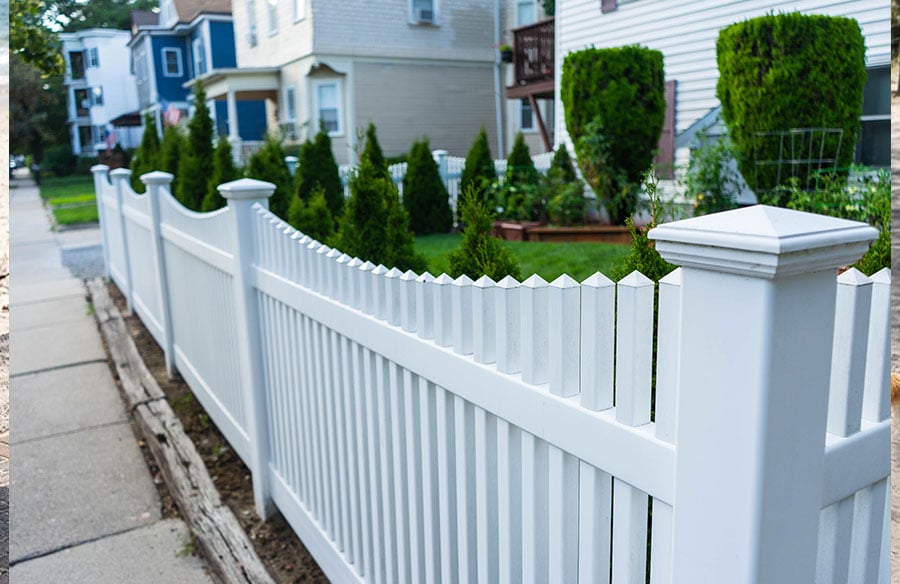
The most fundamental difference between vinyl and aluminum fencing lies in their appearance and the privacy they provide. Vinyl fencing typically comes in solid panels that create a continuous, opaque barrier, making it an excellent choice for privacy. This solid construction blocks views into the yard, providing the seclusion many homeowners want for backyards, pool areas, and other private spaces. Vinyl’s substantial, solid appearance gives a property a clean, finished look that many homeowners find appealing. The material is available in various styles and colors, allowing homeowners to choose a look that complements their home. For those who prioritize privacy and a solid visual presence, vinyl is often the natural choice. Understanding that vinyl excels at privacy helps homeowners see where it fits best. The solid panels are vinyl’s defining characteristic for privacy purposes. Vinyl’s appearance suits homeowners wanting seclusion and a substantial look.
Aluminum fencing, by contrast, features an open design with spaced pickets that does not block views. This open construction gives aluminum an elegant, decorative appearance that enhances a property without enclosing it visually. Rather than providing privacy, aluminum defines boundaries, provides security, and adds a refined aesthetic while maintaining open sight lines. This makes aluminum ideal for front yards, decorative applications, and situations where preserving views is desirable. The open design also suits properties where homeowners want to define space, contain pets, or secure a pool area without blocking the view. Aluminum’s clean lines and elegant look give a property an upscale appearance. Understanding that aluminum offers an open, decorative look helps homeowners see its distinct purpose. The spaced pickets are aluminum’s defining feature, prioritizing aesthetics and openness over privacy. Aluminum suits homeowners who value appearance and openness over seclusion.
The choice between these appearances depends heavily on what a homeowner wants the fence to accomplish. A homeowner seeking to screen a backyard from neighbors will lean toward vinyl’s privacy, while one wanting to frame a front yard elegantly will prefer aluminum’s open look. Many properties even use both materials in different areas, with vinyl for private backyards and aluminum for decorative or pool enclosure applications. The intended use of each section of fence guides the material choice for that area. Understanding that appearance and privacy are the primary differentiators helps homeowners think through their goals. The visual and functional difference between solid and open is central to the decision. Matching the appearance to the intended purpose is key to a satisfying choice. Considering what each area of the property needs clarifies which material fits where.
Durability and Strength in Florida Weather
Both vinyl and aluminum are highly durable materials that perform well in Florida’s demanding climate, though they offer durability in different ways. Vinyl fencing is highly resistant to moisture, which is a significant advantage in Florida’s humid, rainy environment. It does not rot, warp, or absorb water the way wood does, allowing it to maintain its appearance and integrity over time. Vinyl also resists insects and does not require the sealing or treatment that wood demands. This moisture resistance makes vinyl a strong performer in Florida, where humidity and rain are constant factors. The material holds up well against the elements while maintaining its clean appearance. Understanding vinyl’s durability helps homeowners see why it suits the local climate. Vinyl’s resistance to moisture and rot is a key strength. The material’s durability makes it a reliable long term choice for Florida homes.
Aluminum fencing offers durability through its resistance to rust and corrosion, which is particularly valuable in Florida’s humid climate. Unlike some metals, aluminum does not rust, allowing it to withstand rain and humidity without deteriorating. This corrosion resistance means aluminum maintains its appearance and structural integrity over many years of exposure. Aluminum is also strong, providing security and standing up well to the elements while keeping its decorative appearance. The material’s combination of strength and corrosion resistance makes it well suited to Florida’s conditions. For homeowners wanting a durable, secure fence that resists the humid climate, aluminum performs reliably. Understanding aluminum’s durability helps homeowners appreciate its long term performance. Aluminum’s rust resistance is its defining durability advantage. The material holds up well against Florida’s humidity and rain over time.
When it comes to wind and storms, both materials have characteristics worth considering for Florida’s weather. Aluminum’s open design allows wind to pass through the spaced pickets, which can be an advantage during high winds since there is less surface area to catch the wind. Vinyl’s solid panels present more surface area to the wind, though quality vinyl fencing installed properly is built to withstand normal weather conditions. Proper installation, including securely set posts, is important for both materials to perform well in storms. A professional ensures that whichever material is chosen is installed to stand up to Florida’s weather. Understanding how each material relates to wind helps homeowners consider this factor. Both materials, properly installed, perform well in the local climate. The installation quality is as important as the material for weather resistance. Considering wind performance is part of choosing the right material for the area.
Maintenance Requirements Compared
Low maintenance is one of the biggest appeals of both vinyl and aluminum fencing, and it is a major reason both are popular in Florida. Vinyl fencing requires very little maintenance, needing only occasional cleaning to keep it looking its best. Unlike wood, vinyl does not need to be sealed, stained, or painted to protect it from the elements. A simple wash with soap and water removes dirt, mildew, and grime, restoring the fence’s clean appearance. This minimal upkeep is a significant advantage for homeowners who do not want the ongoing maintenance that wood requires. The material’s low maintenance nature saves time, effort, and money over the life of the fence. Understanding vinyl’s minimal maintenance helps homeowners appreciate its convenience. Vinyl’s easy upkeep is a major selling point for busy homeowners. The material stays looking good with very little effort.
Aluminum fencing similarly requires minimal maintenance, making it another low upkeep option for Florida homeowners. Because aluminum does not rust, it does not require the maintenance that some metal fences demand to prevent corrosion. Occasional cleaning to remove dirt and debris is generally all that is needed to keep aluminum looking its best. The material does not need painting, sealing, or special treatment to maintain its appearance and integrity. This low maintenance nature makes aluminum appealing to homeowners who want a durable fence without ongoing care. The convenience of minimal upkeep is a shared advantage of both vinyl and aluminum. Understanding aluminum’s low maintenance helps homeowners see its practical appeal. Aluminum’s easy care is a meaningful benefit over higher maintenance materials. The material maintains its look with little effort required.
The maintenance comparison between the two materials is fairly close, since both are low upkeep options. Both vinyl and aluminum spare homeowners the regular sealing, staining, and treatment that wood fencing requires in Florida’s climate. The main maintenance for either material is occasional cleaning to keep it looking fresh and remove buildup. This shared low maintenance characteristic is part of why both materials are favored over wood in the region. For homeowners prioritizing minimal upkeep, both vinyl and aluminum deliver, making maintenance less of a deciding factor between them. Understanding that both are low maintenance helps homeowners focus on other differences in the decision. The maintenance advantage applies to both materials nearly equally. With upkeep similar for both, the choice often comes down to appearance and function. The low maintenance of both materials is a shared strength.
How Vinyl and Aluminum Fencing Perform for Different Needs in Winter Garden, FL
Beyond their basic characteristics, vinyl and aluminum each excel at particular applications based on what a homeowner needs. Privacy, security, pool enclosure, and decorative purposes all favor one material or the other. A skilled fence contractor Winter Garden homeowners trust can help weigh these applications against the specifics of a property to point toward the right material. The intended function of the fence is often the clearest guide to the right choice. Looking at how each material serves privacy, security, and specific applications clarifies which fits a given need.
Best Choice for Privacy and Security
When privacy is the primary goal, vinyl fencing is generally the better choice due to its solid construction. The continuous, opaque panels of a vinyl fence block views into a yard, providing the seclusion homeowners want for private spaces. This makes vinyl ideal for backyards, pool areas, and any space where homeowners want to screen their property from neighbors and passersby. The solid barrier also provides a sense of enclosure and security that comes from limiting visibility into the yard. For homeowners whose main priority is keeping their outdoor space private, vinyl delivers effectively. Understanding that vinyl is the privacy choice helps homeowners with that goal decide easily. The solid panels make vinyl the clear option for screening a property. Vinyl’s privacy is its standout benefit for backyards and enclosed spaces. For seclusion, vinyl is typically the material of choice.
For security purposes, both materials can serve, but aluminum offers strong security while maintaining visibility. Aluminum fencing provides a sturdy barrier that defines boundaries and deters unwanted access, all while keeping sight lines open. This combination of security and visibility suits homeowners who want to secure their property without blocking views. Aluminum’s strength makes it effective for containing pets, securing a yard, and establishing clear boundaries. The open design also allows homeowners to see beyond their fence, which some prefer for monitoring their property. For security with visibility, aluminum is an excellent option. Understanding aluminum’s security with openness helps homeowners weigh this benefit. The material secures a property without enclosing it visually. Aluminum suits homeowners wanting security and an open view together.
The choice between privacy and visibility often determines which material best serves a homeowner’s security needs. Some homeowners prioritize the enclosed privacy and screening that vinyl provides, valuing the seclusion it creates. Others prefer aluminum’s combination of security and open sight lines, wanting to maintain visibility while securing their property. Both approaches provide a secure boundary, but they differ in whether they enclose the space visually. Understanding this distinction helps homeowners choose based on whether they prioritize privacy or visibility along with security. The decision reflects the homeowner’s preference for an enclosed or open feel. Matching the material to the desired balance of privacy and security is key. Considering how privacy and security relate helps homeowners decide between the materials.
Pool Enclosures and Decorative Applications
Pool enclosures are a common application where aluminum fencing often shines, particularly in Florida where pools are widespread. Aluminum’s open design allows pool areas to be enclosed for safety while maintaining clear visibility of the pool and surrounding space. This visibility is valuable for monitoring a pool area, especially where children are present, making aluminum a practical pool fence choice. The material’s corrosion resistance also suits the moist environment around a pool, where it holds up well against splashing and humidity. Aluminum pool enclosures meet safety needs while preserving the open, attractive look many homeowners want around a pool. Understanding aluminum’s suitability for pools helps homeowners with pools see its appeal. The material combines safety, visibility, and durability for pool applications. Aluminum is a popular choice for enclosing pool areas in Florida. The open design and corrosion resistance make it well suited to poolside use.
Decorative applications also tend to favor aluminum due to its elegant, refined appearance. Aluminum fencing adds a decorative element to a property, framing yards and gardens with clean lines and an upscale look. Front yard fences, garden borders, and accent fencing often use aluminum for its attractive appearance that enhances curb appeal. The material’s decorative quality makes it a choice for homeowners wanting to add visual appeal while defining space. Aluminum’s elegant look elevates a property’s appearance in ways that solid fencing does not. Understanding aluminum’s decorative strength helps homeowners considering aesthetics. The material’s refined appearance suits decorative and front yard applications. Aluminum enhances curb appeal while serving a functional purpose. For decorative fencing, aluminum’s elegance is a major draw.
Vinyl also has its place in certain applications beyond pure privacy, offering versatility in its own right. Vinyl can be used for pool enclosures where privacy around the pool is desired, providing seclusion along with the enclosure. The material also suits properties where a solid, substantial look is preferred for decorative or boundary purposes. Vinyl comes in various styles, including some semi private and decorative options, expanding its applications. For homeowners wanting a solid look with some decorative flexibility, vinyl offers options beyond basic privacy fencing. Understanding vinyl’s versatility helps homeowners see its range of uses. The material serves more than just maximum privacy applications. Vinyl’s variety of styles broadens where it can be used effectively. Both materials offer applications suited to different homeowner goals.
Matching the Material to Your Property Goals
Choosing between vinyl and aluminum ultimately comes down to matching the material to a property’s specific goals and the homeowner’s priorities. A homeowner focused on privacy for a backyard will likely choose vinyl, while one wanting decorative front yard fencing will lean toward aluminum. Identifying the primary purpose of the fence, whether privacy, security, appearance, or pool enclosure, points toward the right material. Considering how the fence will be used and what matters most helps clarify the choice. This goal oriented approach ensures the chosen material actually serves the homeowner’s needs. Understanding that goals drive the decision helps homeowners think through their priorities. Matching the material to the purpose is the key to a satisfying choice. The intended use of the fence guides the material selection. Focusing on goals leads to the right material for the property.
Budget is another consideration that factors into matching the material to a homeowner’s situation. Both vinyl and aluminum represent investments, and their costs can vary based on the specific products, styles, and project scope. Homeowners weigh the cost of each material against the value it provides for their particular goals. A professional can help homeowners understand the cost considerations and how they relate to the benefits of each material. Considering budget alongside goals helps homeowners make a practical decision. Understanding that cost is part of the decision helps homeowners plan realistically. Balancing the material’s benefits against its cost guides a sound choice. Budget is a practical factor in matching the material to the homeowner’s needs. Weighing cost and value together supports an informed decision.
Combining materials is an option that allows homeowners to match different materials to different areas of their property. Many properties benefit from using vinyl in private backyards and aluminum in decorative or pool areas, capitalizing on each material’s strengths. This approach lets homeowners get privacy where they want it and an open, decorative look where that suits better. A professional can help plan a fencing approach that uses the right material in each area for the best overall result. Understanding that materials can be combined helps homeowners think flexibly about their property. Using each material where it fits best maximizes the benefits of both. A thoughtful combination can serve a property’s varied needs effectively. Matching materials to different areas is a smart way to meet diverse goals.
How a Professional Helps You Choose the Right Fence in Winter Garden, FL
Deciding between vinyl and aluminum is easier with the guidance of a professional who understands both materials and the local climate. A professional helps homeowners weigh their goals, the materials, and the practical considerations to make the right choice. Understanding how a professional supports this decision helps homeowners approach it with confidence. From assessing needs to recommending materials and ensuring quality installation, a professional adds value throughout. Walking through the consultation, the material guidance, and the installation clarifies how a professional helps.
Assessing Your Property and Needs
A professional begins by assessing the property and understanding the homeowner’s goals for the fence. This involves discussing what the homeowner wants to achieve, whether privacy, security, decoration, pool enclosure, or a combination. The professional considers the property’s layout, the areas to be fenced, and how each area will be used. This assessment helps identify which material or materials best suit the homeowner’s needs and the property’s characteristics. Understanding the homeowner’s priorities is the foundation of a good material recommendation. A professional’s assessment ensures the chosen material fits the actual goals and property. Understanding that this assessment guides the choice helps homeowners value the consultation. A thorough assessment of needs leads to the right material recommendation. Starting with the homeowner’s goals shapes a fitting solution.
The assessment also considers practical factors that affect the material choice and installation. The professional looks at the terrain, existing conditions, and any specific requirements of the property that might influence the decision. Factors like the presence of a pool, the need to contain pets, or the desire to maintain views all factor into the recommendation. Local considerations, including the climate and any HOA or code requirements, also inform the choice. This comprehensive assessment ensures the recommendation accounts for all relevant factors. Understanding that the assessment is thorough helps homeowners appreciate the professional’s input. A complete assessment considers both goals and practical realities. The professional weighs all factors to recommend the best material. Accounting for the full picture leads to a sound recommendation.
Clear communication during the assessment helps homeowners understand their options and the reasoning behind recommendations. A good professional explains the characteristics of each material and how they relate to the homeowner’s goals. This information helps homeowners understand why a particular material suits their needs and how it will perform. Discussing the options openly allows homeowners to make an informed decision rather than guessing. Understanding the materials and their fit empowers homeowners in the choice. A professional who communicates clearly makes the decision easier and more confident. This transparency is valuable for an important material decision. Clear explanation supports an informed, confident choice. Good communication during the assessment contributes to a satisfying decision.
Material Guidance and Recommendations
A professional provides valuable guidance on the materials, drawing on knowledge and experience to inform the homeowner’s choice. This guidance includes explaining the strengths and trade offs of vinyl and aluminum and how each performs in Florida’s climate. The professional helps homeowners understand which material aligns with their priorities, whether privacy, security, appearance, or budget. This expert input helps homeowners weigh the options and make a choice they will be happy with. Understanding the materials through professional guidance leads to better decisions. A professional’s knowledge clarifies the differences that matter for the homeowner’s situation. Material guidance from an expert is valuable for an important choice. Drawing on professional experience helps homeowners choose wisely.
Recommendations from a professional are tailored to the homeowner’s specific goals and property. Rather than a one size fits all suggestion, the professional recommends the material that best fits the homeowner’s needs and circumstances. This may include recommending vinyl for a private backyard, aluminum for a decorative front yard, or a combination for different areas. The recommendation reflects the assessment of the property, the goals, and the practical considerations. Tailored recommendations ensure the chosen material genuinely serves the homeowner’s purposes. Understanding that recommendations are personalized helps homeowners trust the guidance. A professional’s tailored advice fits the specific situation. Personalized recommendations lead to a material that suits the property. Matching the recommendation to the homeowner’s needs produces the best outcome.
A professional also helps homeowners consider factors they might overlook in choosing a material. Considerations like long term durability, maintenance expectations, how the material performs in the local climate, and how it fits with the home’s style all factor in. The professional brings these considerations to the homeowner’s attention to inform a complete decision. This comprehensive guidance helps homeowners choose a material that serves them well over the long term. Understanding that a professional considers the full picture helps homeowners make a thorough decision. Expert guidance accounts for factors homeowners might not think of. A professional’s input ensures a well rounded choice. Considering all the relevant factors leads to a material the homeowner will be satisfied with.
Quality Installation for Lasting Results
Quality installation is essential to getting the most from either vinyl or aluminum fencing, regardless of which material is chosen. Proper installation ensures the fence performs well, looks right, and lasts in Florida’s demanding climate. This includes setting posts securely, aligning the fence properly, and installing the material according to best practices. A well installed fence stands up to the heat, rain, and wind that Florida delivers, while a poorly installed one may develop problems. The quality of the installation directly affects the fence’s longevity and appearance over time. Understanding that installation matters helps homeowners value professional workmanship. Proper installation is as important as the material choice for lasting results. Quality workmanship ensures the fence performs and endures. A well installed fence delivers the full benefits of the chosen material.
Proper installation also accounts for the specific characteristics of each material. Vinyl and aluminum install differently, and a professional knows how to handle each material for the best result. Setting posts properly, ensuring correct alignment, and accounting for the material’s properties all contribute to a quality installation. The installation also considers Florida’s climate, with secure post setting important for weather resistance. A professional’s experience with both materials ensures each is installed correctly. Understanding that installation is material specific helps homeowners appreciate professional expertise. Proper handling of each material produces a quality result. A professional installs each material according to its requirements. Material specific installation expertise ensures lasting performance.
Choosing an experienced, reliable fence contractor ensures both the right material choice and quality installation. Fence Pros is a locally owned fence contractor serving Winter Garden and the surrounding Orlando Metro area, installing wood, vinyl, aluminum, and chain link fences. The company helps homeowners choose the best fencing material based on their property, environment, and long term expectations, then installs it with durable materials and precise workmanship. This combination of material guidance and quality installation supports a fence built to handle Florida weather and last. Understanding the value of an experienced contractor helps homeowners see the full picture. A reliable contractor delivers both the right choice and quality work. Professional expertise ensures a satisfying result from material selection through installation. Choosing a trusted contractor brings it all together for a lasting fence.
Why Fence Pros Is a Trusted Fence Contractor in Winter Garden, FL
Fence Pros is a locally owned fence contractor serving Winter Garden and the surrounding Orlando Metro area, with a focus on durable materials, clean workmanship, and clear communication. The company installs wood, vinyl, aluminum, and chain link fences, along with custom designs, for residential and commercial properties. Known for honest pricing, reliable service, and results that hold up against Florida’s climate, it brings local experience to every project. A few core principles shape how the company helps homeowners choose and install the right fence.
Helping Homeowners Choose the Right Fencing Material
The right material starts with understanding what a homeowner wants the fence to do rather than defaulting to a single option. Fence Pros takes the time to understand the property’s goals, whether privacy, security, appearance, pool enclosure, or a combination, and recommends the material that fits. This goal oriented approach helps homeowners choose between vinyl, aluminum, or another option with confidence rather than guesswork.
Material knowledge and local experience inform every recommendation the company makes. Fence Pros understands how vinyl and aluminum each perform in Florida’s heat, humidity, and rain, and helps homeowners weigh the trade offs of privacy, durability, maintenance, and appearance. That familiarity with the materials and the local climate is what allows the company to match the right fence to each property.
Quality installation and lasting results complete the picture. Fence Pros installs every fence with durable materials and precise workmanship suited to Florida weather, setting posts securely and ensuring proper alignment for long term performance. With a commitment to clean work, strong builds, and clear communication, the company delivers a fence built to last. For Winter Garden homeowners deciding between vinyl and aluminum, understanding the strengths of each material makes it easier to choose a fence that fits the property and serves it well for years.
Brad Jackson
Fence Pros
700 Tangelo Ct, Winter Garden, FL 34787
(407) 580-8353
https://fenceprosorlando.com/
[email protected]