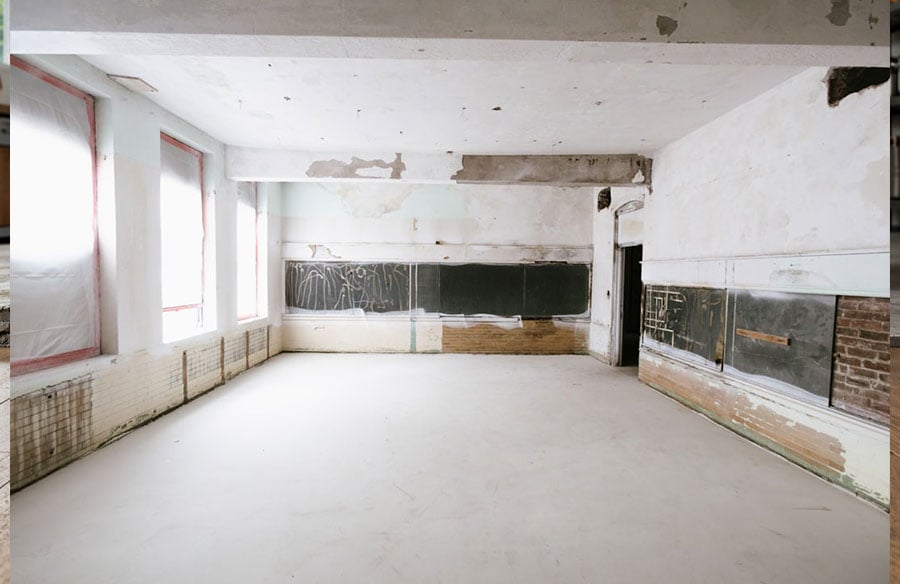
Every homeowner facing a sale meets the same question. Do you spend to fix the place up first, or sell it exactly as it stands? The choice shapes your timeline, your stress, and your final profit.
There is no universal right answer, only the right answer for your house and your circumstances. Renovating can lift the price, but it costs money, time, and certainty. Selling as-is to a buyer such as freedom property investors llc trades top dollar for speed and simplicity. Here is how to weigh the two honestly.
Why Renovate Before Selling?
The case for renovation is straightforward: a better home sells for more. Buyers pay a premium for move-in-ready condition, and the right work can return more than it costs. Done well, it is a genuine investment.
Not every upgrade pays, though. Kitchens, bathrooms, and curb appeal tend to return the most, while personal or niche choices rarely do. Understanding real renovation cost against likely return is the whole game.
Efficiency counts too. Buyers and appraisers increasingly reward energy-efficient upgrades such as better insulation and modern systems. These improvements can lift both the price and the appeal.
What Are the Risks of Renovating First?
Renovation is not a guaranteed win. The costs are real and upfront, while the returns are only ever projected. That gap is where the risk lives.
- Budget overruns. Older homes hide surprises that inflate the bill.
- Time on site. Months of work delay the sale and tie up cash.
- Taste mismatch. Your choices may not match the buyer’s.
- Market shifts. Prices can move before the work is done.
- Stress and disruption. Living through a renovation is genuinely hard.
That first risk bites hardest. Home projects routinely exceed their estimates, so a sensible plan adds a contingency of at least 10 to 15 percent. Without that buffer, a profitable renovation can quietly turn into a loss.
When Does Selling As-Is Make More Sense?
Sometimes the smarter move is to skip the work entirely. If you lack the time, money, or appetite for a project, as-is selling removes all of it. You trade a higher potential price for certainty and speed.
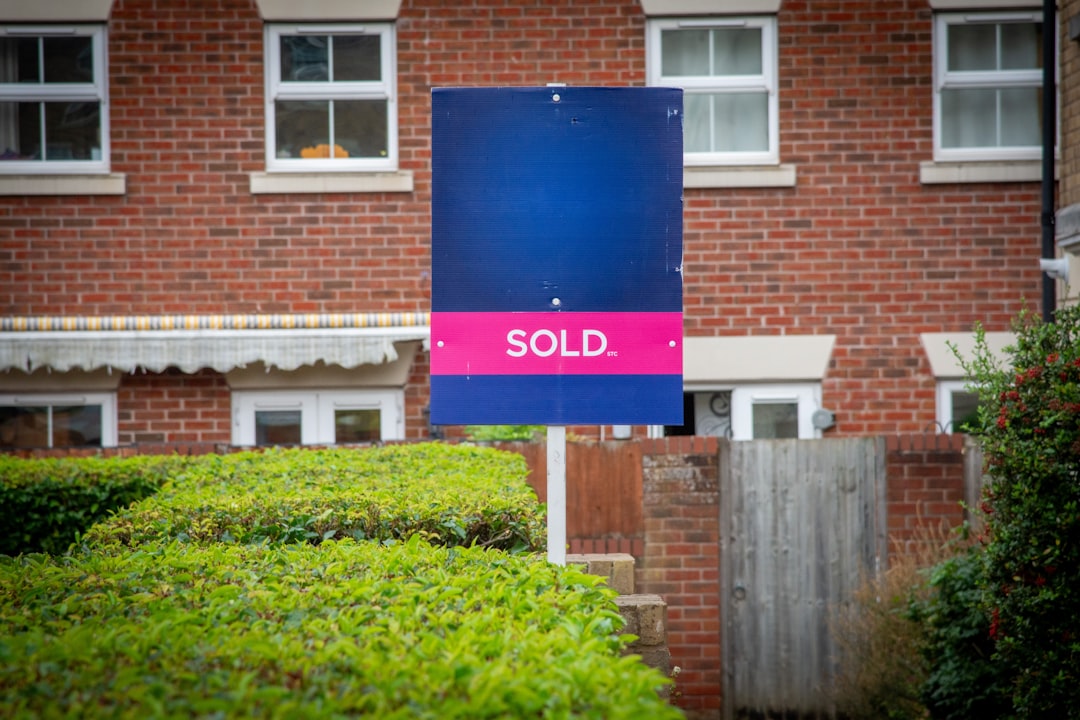 The situation often decides it. An inherited house, a job relocation, or a home needing major repair can all make renovation impractical. In those cases, a fast cash sale turns a problem into freed-up money.
Investor buyers specialize in exactly this. They purchase properties in any condition, close quickly, and handle the renovation themselves. For the seller, that means no repairs, no showings, and no waiting.
Speed is the real difference. A traditional financed buyer must clear appraisal and underwriting, and the many steps in the federal mortgage process are part of why it drags. Skipping all of it is much of why a cash sale can close in days.
The trade-off is price. An as-is offer sits below full retail value, reflecting the work the buyer will take on. Whether that discount is worth it depends entirely on what your time and certainty are worth.
How Do You Compare the Two Paths?
Run both scenarios as plain numbers. Estimate the renovated sale price minus the renovation cost, holding costs, and months of effort. Then compare that net figure against a straightforward as-is offer.
Do not forget the hidden costs of waiting. Every month a renovation runs, you pay mortgage, taxes, insurance, and utilities. Several months of those can erase a surprising slice of the extra profit.
Factor in tax as well. A large gain on a sale can be taxable, so the capital gains rules may shape your net either way. Knowing the after-tax figure keeps the comparison honest.
Weigh your own risk tolerance last. If uncertainty and disruption cost you sleep, the calmer path has real value. The best choice balances the math with your life, not just the spreadsheet.
What Should Guide the Final Decision?
Start with your goal, not the house. A seller chasing maximum profit and comfortable with risk leans toward renovation. One who values speed and certainty leans toward as-is.
Be realistic about the property. A home needing only cosmetic work is a strong renovation candidate, while one with structural issues often is not. Match the strategy to the building’s real condition.
Get informed help either way. A good agent can model the renovated sale price, and a reputable investor can give you a firm as-is number. Comparing two solid figures beats guessing between them. If you do renovate, knowing how to renovate a house efficiently protects your return.
What to Remember
- Renovating can lift the price but costs money, time, and certainty.
- Only some upgrades, like kitchens and efficiency, reliably pay back.
- Budget overruns and delays are the main renovation risks.
- Selling as-is trades top price for speed and simplicity.
- Compare net renovated profit against a firm as-is offer.
- Match the choice to your goal, your risk, and the home’s condition.
Choosing the Path That Fits
Renovate or sell as-is is not a question of right and wrong. It is a question of what you value most: the highest possible price, or the fastest, simplest exit. Run the numbers, weigh your circumstances, and pick the path that genuinely fits your goals.
Frequently Asked Questions
Is It Worth Renovating a House Before Selling?
It can be, if the added value beats the total cost and time. Kitchens, bathrooms, and curb appeal usually return the most. If the numbers are tight or the home needs major work, selling as-is may win.
How Fast Can You Sell a House As-Is to an Investor?
Investor buyers can often close within one to two weeks. They purchase in any condition and handle repairs themselves. The trade-off is an offer below full retail value.
How Do I Compare Renovating Versus Selling As-Is?
Estimate the renovated price minus renovation, holding, and time costs, then compare it to a firm as-is offer. Include taxes and the cost of waiting. The higher net figure, adjusted for your risk tolerance, points the way.
Do I Pay Tax When I Sell My Home?
A large gain can be taxable, though exclusions may apply to a main residence. The rules depend on how long you owned and lived in the home. Check the current guidance so your net proceeds hold no surprises.