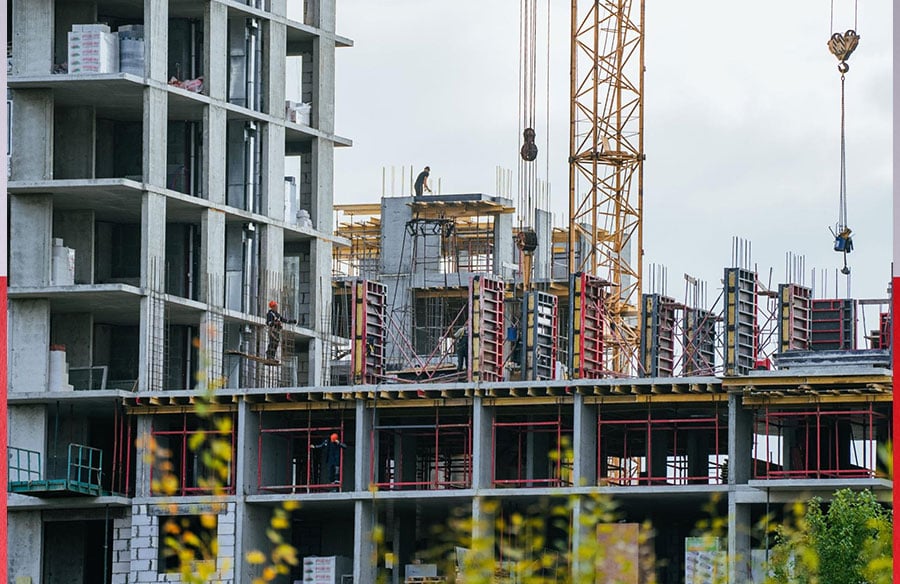
Property development can be rewarding when things go according to plan. Plans are approved, trades are booked, construction’s underway, and the numbers all seem to stack up nicely on paper. But anyone who’s spent enough time around development projects knows that there are plenty of things that can derail even the best-laid plans.
Weather delays can happen. Building materials might get stolen. Construction sites can be vandalised. Workers can get injured on job sites. Even small problems can snowball into major problems once timelines and budgets start shifting around.
That’s why insurance matters so much in development. It might not be the most glamorous side of the development sector, and it’s definitely not the part people enjoy organising, but having the right cover in place can save an enormous amount of stress later on.
Here are a few insurance considerations for Australian property developers to keep in mind before breaking ground.
Don’t Forget About Site Equipment and Tools
It sounds obvious, but many developers underestimate the cost of site equipment once a project is fully underway. Power tools, generators, compressors, laser levels, temporary fencing, and smaller machinery – they all add up quickly, especially across larger projects. And unfortunately, theft isn’t uncommon at construction sites, especially overnight or on long weekends.
This is why tool insurance is so incredibly important. Replacing stolen or damaged equipment out of pocket can throw project budgets around more than people expect, especially if multiple trades are affected at once. Delays caused by missing equipment can end up costing almost as much as the replacement tools themselves. Even with the best security on site, things will happen. Tool insurance provides a backup in case they do.
Public Liability Cover is Non-Negotiable
Construction sites are very busy, with a lot going on at once. Trucks moving in and out of the site, workers moving equipment from one place to another, temporary structures going up and down, visitors walking through the site. In short, there’s always something that can potentially go wrong.
Enter public liability insurance. This type of cover exists to protect the business in the event someone gets injured on site or property gets damaged as a result of the project. And honestly, it only takes one accident to create a very expensive situation.
While no one ever hopes to experience any kind of incident on the job site, the truth is that accidents happen everyday – and even relatively small incidents can turn into major headaches once legal costs are involved. Protect your staff and your enterprise by ensuring you have adequate PL cover for every project you take on.
Contract Works Insurance is Worth Looking Into
A lot can happen to a development before it’s finished. Storms, fire, vandalism, theft, water damage, or accidental structural issues can all hit during construction, and repairing unfinished work is rarely cheap. Contract works insurance is designed to cover projects while they’re actively being built.
This becomes especially important during long builds where multiple contractors and suppliers are involved over many months. One unexpected event can create massive delays and budget blowouts if there’s no protection in place. And let’s not forget that we’re in Australia, where the weather can change from scorching heat to torrential rain in the span of a few days, so this type of insurance is considered an absolute necessity for Australian property developers.
Delays Can End Up Costing More Than Expected
One thing many newer developers underestimate is just how expensive delays can become. Beyond construction costs, there are loan repayments, holding costs, council rates, wages, and overhead costs ticking away while the project sits idle.
In some cases, insurance policies will help to cover the financial losses caused by specific types of construction delays. Every policy will differ in what it does and doesn’t cover, so it’s worth having those conversations early rather than assuming every setback will somehow sort itself out later. Because once timelines start blowing out, the pressure builds very quickly. The last thing you want is to be out of pocket while zero progress is being made on the development.
Make Sure Contractors Are Properly Covered Too
A surprising number of problems happen because somebody assumed someone else had insurance sorted. But that isn’t always the case. Before any work commences, it’s wise to check that contractors and subcontractors have the appropriate cover in place, including public liability and workers’ compensation where required. Most professionals will have this sorted, but it’s still something developers should verify themselves rather than taking someone’s word for it.
It might feel awkward to ask for insurance certificates up front, but imagine how much more awkward it will be if you end up in the middle of an insurance dispute with a contractor. A quick check-up front can save an enormous headache down the track.
Vacant Sites Come With Their Own Risks
Empty sites can attract all sorts of trouble. Illegal dumping, trespassing, vandalism, theft, and even fires are all problems that can occur on vacant plots left unattended for long periods. Some people assume nothing can really happen before construction starts, but vacant land still carries risk.
The good news is that installing fences, implementing monitoring programs, installing cameras, and conducting regular inspections can drastically reduce these problems. Additionally, if the site is going to remain empty for an extended period, specific insurance for vacant sites could be worth discussing.
Don’t Treat Insurance Like a Last-Minute Job
One of the biggest mistakes that developers make is waiting until the last second to secure the right type of insurance for their project. By that point, contracts are signed, machinery is arriving, contractors are booked, and everyone’s already under pressure. Rushing through insurance decisions usually means details get overlooked, or people end up underinsured without realising it.
Having proper conversations early gives you time to understand what’s actually covered, what isn’t, and where gaps might exist. Each urban development project is unique and may require different insurance policies depending on the build and construction scale, location, and timeline for the project. A little preparation up front is usually much cheaper than cleaning up a mess later.
The Final Sign Off
Property development always comes with risk. It’s part of the industry. However, having the proper insurance in place can keep you from turning a stressful situation into a financial disaster.
Most of the time, it’s simply about ensuring that you have a safety net in place should something unexpected happen. Because in development, even relatively small issues can become expensive very quickly once delays, legal costs, or damaged work start piling up. Having solid cover in place lets you focus on actually getting the project built instead of constantly worrying about what could go wrong next.