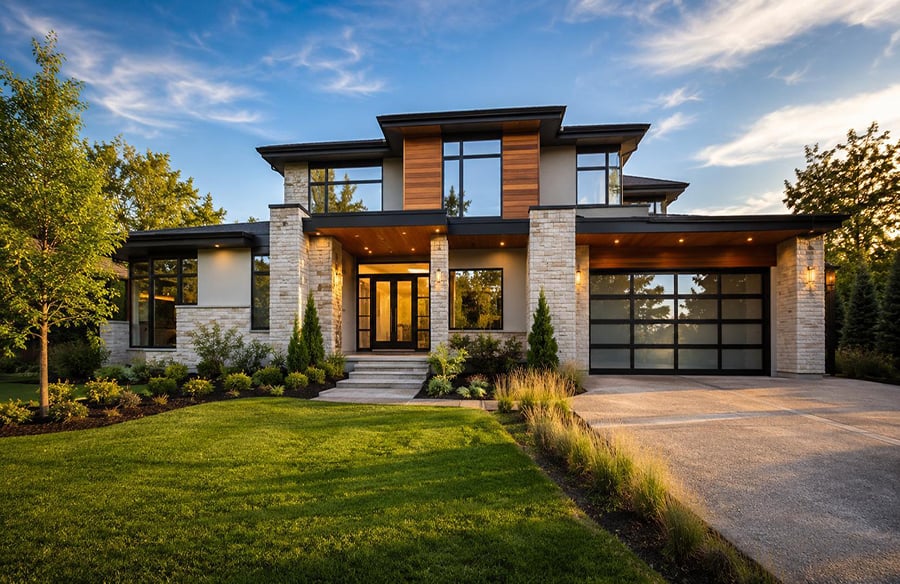
Every homeowner reaches a point where they want to put some money into the house. Maybe you are getting ready to sell. Maybe you just want the place to feel newer. Either way, there is a hard truth worth knowing before you start. Not every upgrade gives your money back. Some improvements add far more value than they cost, and others look wonderful but return very little when it is time to sell.
I have watched people pour thousands into the wrong projects and barely move the needle on their home value. I have also seen small, sensible upgrades quietly add real worth. The difference is rarely about spending more. It is about spending on the right things. Here is how to tell them apart.
Start with the outside of the house
If you only have the budget for one area, spend it outside. This surprises a lot of people, because the exciting renovations happen indoors. But buyers form an opinion of a home before they ever walk through the door, and that first impression follows them through the entire visit.
The projects that tend to pay off best are simple ones. A fresh coat of paint on the exterior. A new front door. Clean, well-kept siding. A garage door replacement, which is one of the most reliable returns in the entire home improvement world year after year. None of these are glamorous, yet they do more for your home value than a costly interior remodel in many cases.
If you want a clear picture of the numbers before you commit, the annual Cost vs. Value Report is the source most professionals trust, because it compares real project costs against the value they add at resale across the country. It is worth a look before you decide anything.
For a closer breakdown of the outdoor projects that are genuinely worth the cost, this guide on which exterior renovations actually pay off walks through where your money goes furthest, so your budget goes where it counts.
The kitchen rewards restraint
The kitchen sells the house. Almost every buyer walks straight to it. So it makes sense that people want to invest here, and they should. The mistake is going too far.
A full, high-end kitchen tear-out rarely returns what it costs. A smaller, smarter update almost always does better. New cabinet fronts, updated hardware, a fresh countertop, a modern faucet, and good lighting can transform the room for a fraction of a gut renovation. Buyers see a clean, current kitchen. They do not see, or pay extra for, the fact that you spent triple on custom everything. Keep the changes tasteful and let the room feel fresh rather than expensive.
Bathrooms follow the same logic
Bathrooms are the second space buyers judge, and the rule from the kitchen carries straight over. A mid-range update beats a luxury overhaul on pure return almost every time.
New fixtures, clean tile, good lighting, and a vanity that looks current will do most of the work. A walk-in shower is popular with a wide range of buyers, including older ones who want to plan ahead. You do not need heated floors and imported marble to make a bathroom feel like an upgrade. You need it to feel clean, bright, and well cared for.
Do not ignore what buyers cannot see
Some of the best money you can spend goes toward things nobody photographs. New windows that seal properly. Better insulation. A heating and cooling system that actually works. These upgrades lower running costs and make the home more comfortable, and buyers increasingly ask about them.
Energy efficiency has moved from a nice extra to something people expect. A home that is cheaper to heat and cool is easier to sell, and the comfort is felt the moment someone steps inside. This is not the flashiest place to put your money, but it is one of the safest.
The upgrades that quietly waste money
Now for the projects that feel worth it and usually are not. Swimming pools are the classic example. They cost a fortune, need constant upkeep, and many buyers see them as a burden rather than a bonus. Highly personal choices are another trap. Bold custom colors, unusual layouts, and very specific themes may suit you perfectly, yet they narrow the pool of people who can picture themselves living there.
There is also the problem of over-improving. If you build the most expensive home on the street, the neighborhood caps what you can get back. A kitchen fit for a mansion does not add mansion value to a modest house. Spend in line with the homes around you, not far beyond them.
A simple rule before you spend
Before any project, fix what is broken first. A leaking roof, a dead furnace, or a faulty electrical panel will not add value on paper, but leaving them will cost you at sale time through price cuts and nervous buyers. Repairs come before upgrades, every time.
After that, keep three questions in mind. Does this project appeal to most buyers, or only to me? Does it fit the value of homes nearby? And will it still look current in a few years, or is it a passing trend? If an upgrade passes all three, it is usually a safe place to put your money.
Adding value to a home is not about spending the most. It is about spending with intention. Handle the repairs, focus on the outside, keep the kitchen and bathroom sensible, and avoid the projects that drain money without giving it back. Do that, and the house rewards you when it matters most.