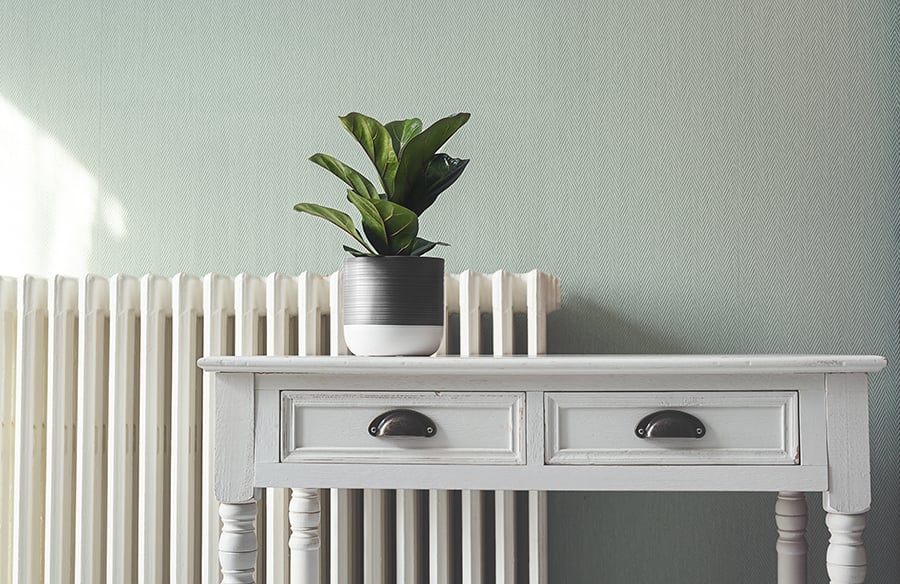
Heating is rarely treated as a design decision. Most of the time it is buried behind a stud wall or tucked under a window, chosen for output rather than presence. Cast iron radiators break that pattern. They are heavy, visible, and unapologetically part of the room — which is exactly why architects and interior designers keep specifying them, in both restoration projects and new-build interiors that want a sense of warmth and permanence.
This guide looks at how cast iron radiators perform, where they earn their place in a floor plan, and what to check before specifying one.
What Makes Cast Iron Radiators a Design Asset in Architecture?
Unlike a flat panel radiator, a cast iron radiator has depth, pattern, and a sculptural quality that reads as part of the architecture rather than an appliance added to it. Column and ribbon-pattern designs pick up light and shadow in a way that flat steel simply cannot, which is why they turn up so often in adaptive reuse projects — Victorian townhouses, converted mills, old schoolhouses — where the brief is to restore character rather than erase it.
They also carry genuine history. Cast iron radiators were the standard heating solution in Europe from the late 1800s through the mid-20th century, and many original units still in circulation today are over a century old. That longevity is part of the appeal: specifying cast iron is as much about durability as it is about aesthetics.
Are Cast Iron Radiators Efficient?
This is the most common question from clients weighing cast iron against a modern panel radiator, and it is a fair one given how heavy and old-fashioned the material looks on paper.
Cast iron has a high thermal mass. It takes longer to heat up than a thin steel panel, but once warm it holds and releases that heat gradually, over a much longer period. In practice this means:
- A steadier, more consistent room temperature with fewer temperature swings
- Less frequent cycling of the boiler or heat source
- Continued warmth in the room for a while after the heating switches off
For spaces that are occupied for long stretches — living rooms, bedrooms, reception areas — that slow, steady heat curve can work out more comfortable and more efficient than a radiator that heats up fast and cools down just as quickly.
Are Cast Iron Radiators Compatible with Heat Pumps?
With more retrofit and renovation projects moving toward heat pumps, this question comes up constantly at specification stage — and it’s a reasonable one, since heat pumps run at lower flow temperatures than a traditional gas boiler.
Cast iron radiators pair well with heat pumps precisely because of that thermal mass. Heat pumps tend to deliver heat more gradually and at a steadier output; cast iron’s ability to hold and radiate warmth over time complements that pattern rather than fighting it. This makes cast iron a genuine option for low-carbon retrofits, not just a heritage feature retained for looks.
How Do You Choose the Right Cast Iron Radiator Design?
Cast iron radiators are not a single product — the range of column counts, patterns and finishes available means the design can be matched to the building rather than the other way around.
| Consideration | What to look for |
| Pattern | Ornate, column-based designs (styles such as Kensington or Oxford) suit period and heritage interiors; simpler ribbed or linear patterns, such as a Piccadilly ribbon-pattern radiator, sit more comfortably in contemporary spaces |
| Finish | Standard finishes work for most projects, but bespoke colour options allow the radiator to be matched or contrasted with the room’s palette rather than defaulting to white or black |
| Size and output | Column height and radiator length both affect heat output — this should be calculated against room volume and insulation, not chosen on looks alone |
| Accessories | Valves, brackets and other fittings should be specified alongside the radiator itself to avoid mismatched hardware later |
Suppliers such as Paladin Radiators offer a wide range of cast iron radiator designs, from intricately detailed period styles to cleaner contemporary patterns, along with bespoke colour finishes — useful for projects where the radiator needs to match a specific interior scheme rather than a standard catalogue colour.
Do You Need Wall Stays for Cast Iron Radiators?
Cast iron radiators are considerably heavier than steel panel radiators, so wall fixing is a genuine structural consideration rather than a formality.
Wall stays, or brackets, are generally recommended to secure the radiator to the wall. While some floor-standing installations may not strictly require them, wall stays add stability and prevent the radiator from tipping or leaning over time — particularly important in households with children, pets, or high-traffic areas. This is worth flagging early in a specification, since retrofitting adequate wall fixings after installation is far more disruptive than planning for them upfront.
Cast Iron vs “Cast-Iron Style” — What’s the Difference?
This distinction matters more than it might seem, especially for heritage or restoration projects where material authenticity is part of the brief.
Authentic cast iron radiators are cast from solid iron, which is what gives them their weight, durability and heat-retention properties. “Cast-iron style” radiators, by contrast, are usually made from lighter materials such as steel or aluminium and finished to visually resemble cast iron. They can look convincing, but they don’t share the same thermal mass or longevity — so if a project specifically calls for cast iron’s performance characteristics (not just its appearance), it’s worth confirming with the supplier exactly what material is being used before it’s specified.
Where Do Cast Iron Radiators Work Best in a Building?
Cast iron radiators tend to earn their keep in a few recurring project types:
- Heritage and listed building restorations, where retaining or reinstating period-appropriate heating is part of the conservation brief
- Adaptive reuse projects — converted mills, warehouses, schoolhouses — where the radiator becomes a feature rather than something to hide
- Hospitality interiors, where a cast iron radiator can double as a design statement in a lobby, bar or guest room
- Contemporary residential builds that want a warmer, more tactile material palette than an all-steel or all-glass interior would give
Frequently Asked Questions
Are cast iron radiators worth the extra weight and cost? For projects prioritising longevity, steady heat retention and design character, most specifiers find the trade-off worthwhile. Cast iron radiators are built to last for generations, which offsets the higher upfront cost over the life of the building.
Can cast iron radiators be repainted or refinished later? Yes. One advantage of authentic cast iron is that it can be stripped, repainted or refinished if a building’s interior scheme changes, rather than needing full replacement.
Do cast iron radiators need more maintenance than modern radiators? Not significantly. Beyond periodic bleeding and keeping an eye on the finish, cast iron radiators are largely low-maintenance thanks to the durability of the material itself.
The Takeaway
Cast iron radiators sit at an unusual intersection of performance and presence — they hold heat longer, work well with lower-temperature systems like heat pumps, and read as an intentional design choice rather than a piece of hidden infrastructure. For architects and designers working on period restorations, adaptive reuse, or interiors that want a warmer material palette, they remain one of the few heating solutions that can genuinely be specified for both function and character.