The air inside your home may seem clean. However, it can harbor unseen dangers. Bacteria, viruses, mold spores, dust, and countless other microscopic particles float around indoors every day. You breathe them in without realizing it. That’s why advanced whole-house air cleaning systems are growing in popularity.
The air purification technology of today does far more than capture dust and dander. New systems use medical-grade technology to destroy harmful microorganisms in your air.
Here’s how to understand the different types of technology so you can choose the best system for your home or business.
Types of contaminants found in indoor air
The air inside your home can be two to five times more polluted than outdoor air. That may come as a surprise. After all, we spend about 90% of our time indoors. But it is why air quality matters so much.
Viruses that cause influenza and colds, Staph bacteria, and mold are just some of the harmful particles floating around your home or office. They travel on air currents, settle on surfaces, and enter your lungs when you breathe. When viruses and bacteria make people sick, it is often those with asthma, allergies, or weakened immune systems who suffer the most. However, even healthy individuals are affected after prolonged exposure.
HEPA True HEPA Filtration
HEPA refers to High Efficiency Particulate Air. True HEPA filters capture 99.97% of particles that are 0.3 microns or larger. Bacteria range in size from about 1 micron to 10 microns. Most viruses don’t travel through the air alone. They adhere to dirt, dust, and other particles large enough for HEPA filters to capture.
As air flows through a HEPA filter, microscopic particles become trapped in a dense labyrinth of fibers. Air purifiers use three processes to force these particles to stop moving: interception, direct impact, and diffusion. Each process targets different-sized particles. By using all three, HEPA filtration is one of the most dependable forms of air purification available.
HEPA filters work best when all the air in a room circulates through the unit several times per hour. When shopping for air cleaners, look for units with a high CADR, or clean air delivery rate. This rating shows how fast the cleaner can filter air for a specific room size.
Kill airborne germs with UV-C Light
While most viruses and bacteria are destroyed by HEPA filters, some microscopic organisms are small enough to pass through. For example, a single particle of virus can be as small as 0.1 microns
HEPA does a good job of trapping virus-containing particles. UV-C technology goes one giant step further by destroying the virus after it has been captured.
Short-wavelength UV-C light damages bacteria and virus DNA and RNA. Without the ability to reproduce, these microorganisms can’t make you sick. Air purifiers use UV-C lamps internally to zap germs as they pass through the filter. You can also install UV-C lights inside your HVAC system or use standalone lamps in rooms or air ducts.
Studies have found that UV-C light kills harmful pathogens such as the influenza virus, MRSA bacterial infection, and even some coronaviruses. The trick is exposing the germs to enough UV-C light for a long enough period. Properly designed air purification systems ensure just that.
Keep in mind that UV-C light can harm human skin and eyes. Air cleaning systems are designed to prevent this. The UV-C lamp is placed inside the HVAC system or sealed inside the air cleaner. You are never exposed to direct rays. Be sure to purchase products from well-known brands that follow safety standards.
Ionizers and Plasma Air Purifiers
Ionizers work by releasing positively and negatively charged ions into the air. These ions cling to particles in the air, making them heavier. The particles then fall to the ground or stick to furniture surfaces and other surfaces where they can be wiped away. Some ions can also pass through the cell walls of bacteria and viruses and disrupt them.
Plasma air purifiers intensify this process. These advanced units release positive and negative ions in extremely high volumes. This is known as bipolar ionization. The technology has been studied in hospitals, schools, airplanes, and office buildings. Results have demonstrated significant reductions in airborne bacteria and viruses.
Ionizers can create ozone as a byproduct. Ozone is harmless in the earth’s upper atmosphere. However, it can irritate the lungs when inhaled in high concentrations at ground level. When shopping for an ionizer or plasma air purifier, look for systems certified as safe from ozone exposure or those that produce ozone levels below EPA and NIOSH standards.
Activated Carbon Filters
Many air purifiers with HEPA filtration also feature activated carbon filters. But what does carbon do? Carbon doesn’t kill bacteria or viruses. Instead, it absorbs gases, smells, and chemical vapors. While not directly killing viruses, this works two ways to benefit your air.
Carbon filtration helps eliminate odor-causing gases produced by bacteria as they multiply. It can also filter out VOCs or volatile organic compounds from household cleaners, paints, carpets, and furniture. The fewer chemicals in your air, the less work your immune system has to do. That means it can focus on what makes you sick.
Smart Air Cleaning Systems
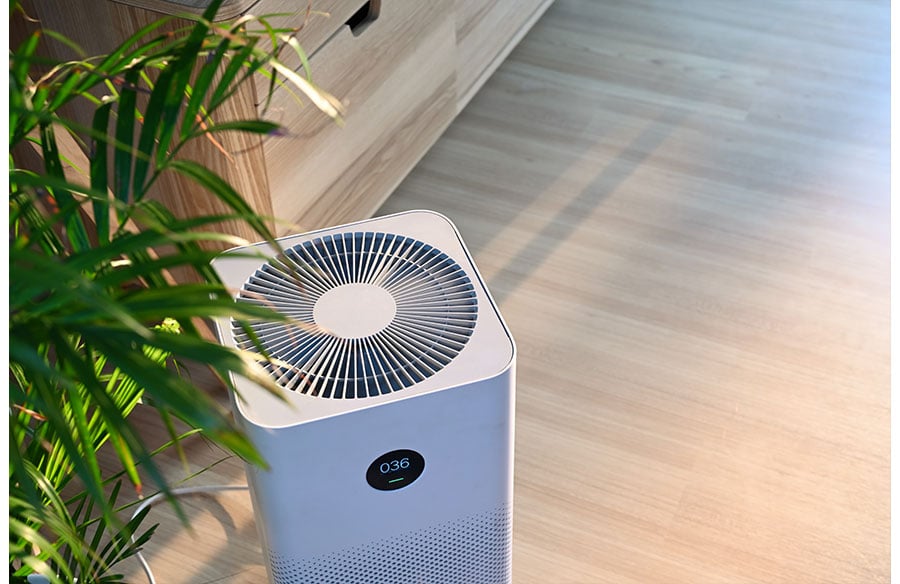
Today’s air cleaning systems can detect and react to your air quality in real-time. NHS told us that some include sensors that detect your home’s overall particle count, humidity levels, and even certain pollutants. When sensors detect unwanted particles, some systems automatically increase fan speeds.
You can even pair smart air cleaners with an app on your phone. That way, you can monitor your home’s air quality from anywhere. Plus, you’ll receive notifications when it’s time to change your filters. Automatic air monitoring means you don’t have to worry about your air safety. Your system will do it for you.
Smart air cleaning technology also helps you save on energy bills. These units only run when they need to clean your air. No more wasting electricity by running your system 24/7.
Which air cleaner is right for you?
There is no one-size-fits-all solution for air cleaning. A small bedroom will need a different size and type of air cleaner than a large open floor space. Consider these factors when purchasing air cleaners.
- Size of room: Air purifiers are rated by the square footage they can filter. Look for a model with a CADR that matches or exceeds the size of the room.
- Types of filters: True HEPA filtration paired with UV-C light kills the widest variety of germs.
- Noise: Powerful air cleaning systems can be loud. If you’re sensitive to noise or will run your system at night, check the unit’s dB rating.
- Price of filters: Don’t forget about filter replacement costs. Most filters need replacement every 6-12 months.
- Certifications: Certification from the EPA or AHAM Verified shows the system has been tested by a third-party source.
Case Study: Improving Air Quality Within a Family Home
The Problem
A family of five were finding their indoor air quality worsening every season. In winter, everyone would find themselves regularly coming down with colds, having allergy symptoms worsen and experiencing respiratory discomfort. There were also two pets in the home, leaving pet dander and dust floating around indoors.
The Solution
Once a home IQ test was performed, the family decided to add a whole-house air cleaning system with:
- True HEPA filtration
- UV-C germicidal air sanitizing
- Activated carbon filter
- Air quality smart monitoring sensors
This allowed for the entire HVAC system to help filter and clean air as it circulated.
The Results
Family members noticed the air felt fresher after only three months. In addition to this, they saw:
- Less dust collecting indoors on furniture
- Reduced allergy symptoms
- Pet odours and cooking smells no longer stuck around as long
- Everyone was enjoying cleaner air throughout allergy season
- They also now had the ability to measure their indoor air quality and were sent reminders when the system filters needed replacing.
Takeaway:
Air cleaning systems offer a combination of benefits to improve your home’s indoor air. Tri-Blend filtration with HEPA, UV-C light, and carbon filtration can greatly reduce airborne pollutants like dust, odours and microorganisms.
https://www.epa.gov/indoor-air-quality-iaq/inside-story-guide-indoor-air-quality
Frequently Asked Questions
1. Will an air cleaning system remove viruses out of my air?
Did you know your heating and cooling system can help clean the air in your home? While no HVAC system can make your home 100% virus-free, a quality air cleaner can help reduce the number of viruses in your home. Air passing through your HVAC with a True HEPA filter will have most particles containing viruses removed. UV-C light can also eliminate most viruses and bacteria as air flows through your indoor system.
2. What’s the difference between HEPA filters and UV air purifiers?
True HEPA filters trap airborne particles such as dust, pollen, bacteria, and droplets containing viruses. UV filtration uses UV germicidal air sanitization to destroy the DNA fragments of bacteria, viruses and mould preventing them from multiplying.
3. Are whole-house air cleaning systems beneficial?
If you or someone in your household suffers from allergies, asthma or are concerned about the air you breathe every day, a whole-house air cleaner can offer benefits that will last for years. While initially not thought of as important as other HVAC upgrades or replacements, air cleaning systems can provide peace of mind by filtering and improving your indoor air.
4. How frequently should I change the filters in my air purifier?
This usually depends on the brand of your air purifier. Generally, we recommend changing your HEPA filter every 6-12 months. The same goes for our carbon filters. On select systems, filters can be monitored through smart monitoring and you will receive a reminder when they are due to be replaced.
5. Can air cleaning systems help with allergies and asthma?
Yes. By removing pollen, pet dander, dust and mould spores from your indoor air, our air cleaners can help your HVAC system provide you and your family with the cleanest air possible.
Final Words
Indoor air quality has never been more important. While COVID-19 may not stick around these particles, airborne viruses are still with us. Fortunately, advanced air cleaning systems can provide your home or business with an extra layer of protection.
Proper ventilation and frequent handwashing are still your best defenses against illness. But by understanding how whole-house air cleaning systems work, you can take one more precautionary step to protect your family.