Cities across the globe continue growing — and much of that growth comes due to immigration — bringing together people with various nationalities and backgrounds.
Relocating to a new city or country implies more than merely finding a place to live and work. It involves adapting to a new environment, establishing new social relations, and experiencing a sense of belonging to the community. Many families find that after the family-based immigration process, the real hard work of finding and settling into their new home country starts.
As it turns out, there are urban design features that facilitate integration for newcomer families. The urban environment affects people’s ability to integrate into society. Well-designed neighborhoods and urban areas foster social ties and enhance the overall well-being of immigrant families.
Here are five urban design features that can help newcomers to settle into their new environment and start building social connections that deepen their ties to their new country.
1. Walkable Neighborhoods That Promote Social Interaction
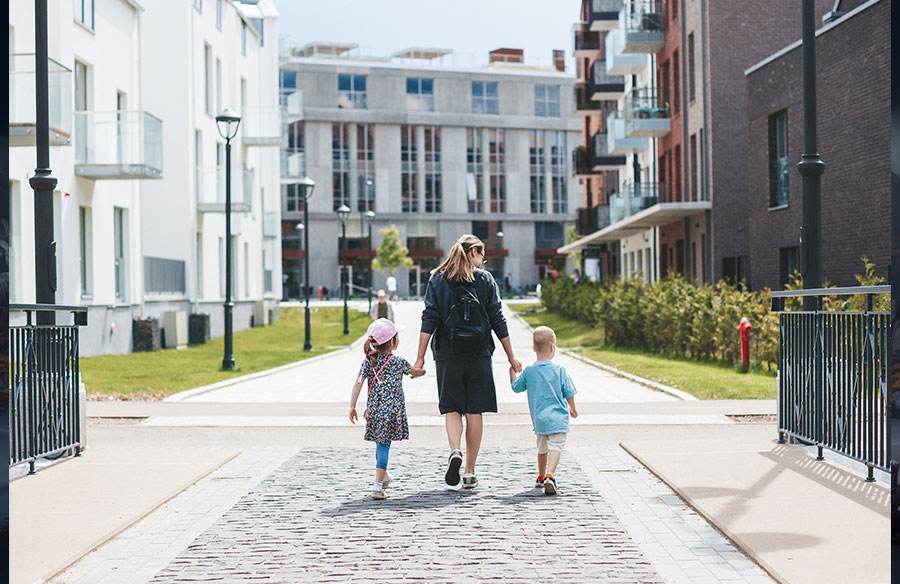
Walkability is an important metric to consider. Pedestrian-friendly streets and ample public spaces contribute to social interaction and create opportunities for communication.
First of all, walkable neighborhoods reduce the need to use a car all the time, which can help newcomers save money. Walking also provides an opportunity for people to communicate with others and form ties.
Walkable neighborhoods often provide access to the following:
- Grocery stores
- Schools
- Parks
- Healthcare services
- Community centers
- Public transportation
- Religious and cultural institutions
People who live in such neighborhoods tend to be more engaged in community life. They take advantage of opportunities to become acquainted with their new environments and neighbors.
Pedestrian-friendly environments provide the chance to enjoy random encounters that can turn into long-term relationships. For instance, parents can meet each other while taking their kids to a park or school.
2. Community Centers and Shared Public Spaces
Community centers, libraries, plazas, recreation facilities, and cultural hubs are essential for establishing social connections. People who visit community centers have an opportunity to communicate with other members of the community, attend classes and other events, and participate in different activities.
For newcomer families, these centers provide services that help them settle in. Such centers often provide immigrants with the following assistance:
- Language classes
- Youth programs
- Employment workshops
- Cultural events
- Childcare resources
- Health and settlement services
Public spaces help newcomers overcome isolation and offer opportunities to participate in activities and get acquainted with others. Parks, sports grounds, public squares, and other spaces also promote socialization.
3. Public Transportation Systems
Public transportation also factors into the social relations of newcomer families. After relocation, people usually use buses, subways, and railways for traveling. Cities with well-designed transportation systems help immigrant families integrate into community life.
Transportation systems affect the level of accessibility to destinations like the following:
- Employment opportunities
- Schools
- Healthcare
- Social services
- Shopping areas
Modern urban designers understand the significance of transportation systems that link residential zones with different destinations. Modern urban planners also take into account the need to design multilingual signage, provide accessible stations, and offer clear routes.
4. Mixed-Use Neighborhood Design
Mixed-use design refers to the combination of residential and non-residential uses in a single area. Mixing residential and business zones provides people with different opportunities. Residents of mixed-use neighborhoods don’t need to travel long distances to go shopping, attend classes, and go to the doctor. Mixed-use neighborhoods facilitate establishing social connections and becoming acquainted with other community members.
Immigrant communities help rejuvenate commercial corridors, thereby enabling immigrants to earn money and maintain their culture. The integration of commercial elements into residential neighborhoods fosters social ties.
5. Inclusive Housing and Multigenerational Housing Design
Inclusive housing and multigenerational housing are also worth considering. Many immigrants live in multigenerational houses. This way, they can support each other financially and emotionally. So, it’s important to have inclusive housing.
Inclusive housing policy and design should consider the following aspects:
- Family-sized apartments
- Flexible floor plans
- Shared community spaces
- Affordable rental options
- Mixed-income developments
Additionally, housing should be located close to schools, transportation, healthcare, and other community services. It’s also vital to consider segregation avoidance and promotion of diversity.
Urban design significantly influences immigrant families’ settlement and integration. Walkability, public spaces, public transportation, mixed-use neighborhoods, and inclusive housing help build social ties between newcomers and other community members.