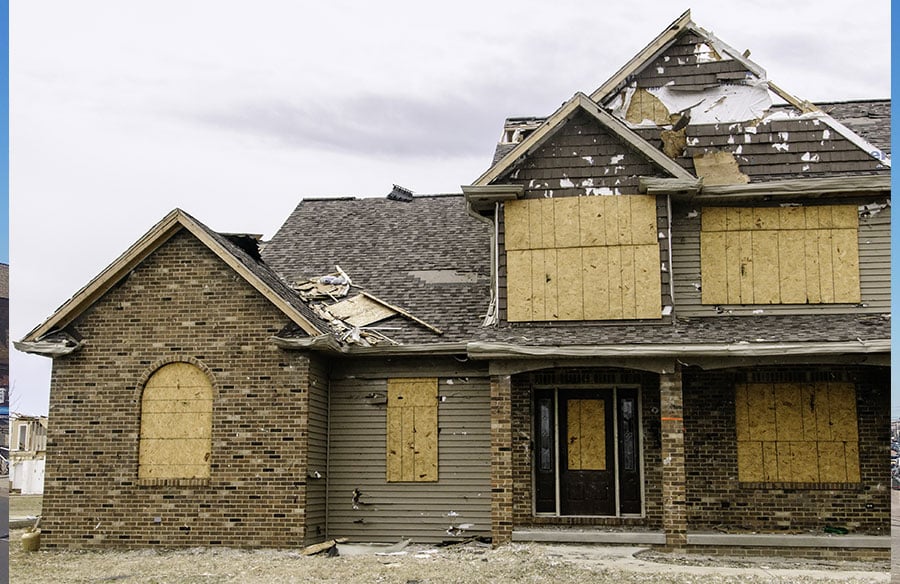
Inheriting a home is supposed to feel like a gift. For a lot of families it turns into an unpaid second job. The house sits there while the mail piles up and the property tax bill shows up right on schedule, and nobody wants to be the one who suggests gutting the kitchen. So the house waits, month after month, for someone else to make the first move.
The Inherited Home Problem Nobody Talks About
Somewhere between 14.8 and 16 million housing units sit vacant across the country right now, roughly 9 to 10% of the entire U.S. housing stock. Inherited properties make up a real share of that number, usually tucked into the broad “other vacant” category researchers use when a home doesn’t fit neatly anywhere else. Behind most of those homes is a family caught between grief and logistics: an out-of-state sibling, a house still full of a parent’s belongings, a to-do list too big to face all at once. As Baby Boomers age, more homes are projected to change hands through inheritance over the next two decades than at almost any other point in American history, and most of those heirs never signed up to become part-time property managers.
Why Renovation Feels Impossible for Most Heirs
Cost is usually the first wall people hit. A full renovation can run into the tens of thousands of dollars, and that’s money most heirs simply don’t have sitting around, especially when the decision is split three or four ways with siblings. Distance complicates things further, since a lot of heirs live in a different city or even a different state than the house they inherited, which turns a simple repair into flights, unfamiliar contractors, and the trust issues that come with managing work from far away. And then there’s the part people rarely say out loud — they’re still grieving, and picking out new countertops in a parent’s kitchen just feels wrong. Put those three together and it’s not hard to see why so many families end up deciding nothing at all.
Selling an Inherited Home As-Is — A Faster Way Forward
For families stuck in that loop, selling the house exactly as it is often turns out to be the least stressful path. There’s no renovation to plan, no contractor bids to compare, and no agent walking through with a list of updates the house supposedly “needs” before it can list. A cash buyer takes the home with the old furniture still inside, the outdated bathroom, whatever repairs never got made — no open houses, no strangers walking through a parent’s living room, no months spent waiting on a buyer’s financing to clear. If you’re an heir or executor dealing with a property in the Riverside area, it’s worth exploring what a cash sale actually looks like before you spend another month debating it with family. Casey Buys Houses works directly with heirs and executors, buys homes exactly as they are, and doesn’t ask for a single repair before closing — no agent fees, no showings, and no pressure to accept an offer that doesn’t work for you.
The Real Cost of Letting an Inherited Home Sit Empty
An inherited house doesn’t stop costing money just because no one’s living in it. Property taxes keep coming due on the same schedule they always did, and insurance premiums often climb on vacant homes since insurers treat an empty property as a bigger risk. Utilities may need to stay on just to keep pipes from freezing or mold from creeping in, and if there’s an HOA, those fees don’t pause either. An empty house is also more of a target for vandalism, break-ins, and squatters, particularly in neighborhoods where a dark house at night stands out. Add in the slow deterioration that comes from nobody catching small problems before they turn into big ones, and what looked like a free asset starts quietly costing the estate money every month it sits.
Why Banks Won’t Always Finance Renovation on Inherited Properties
Heirs who do want to fix up the house often hit a wall at the bank. Renovation loans typically require clear title, and a property fresh out of probate frequently doesn’t have that yet. If there are multiple heirs, lenders get nervous about whose name should be on the loan and who’s actually responsible for repayment. Probate complications — unresolved debts, a contested will, a title that hasn’t fully transferred — make lenders even more cautious, and even heirs with solid credit and a clear plan can get turned away simply because the paperwork behind the house isn’t clean yet. A lot of families end up stuck wanting to fix the place up with no real way to pay for it.
The Emotional Weight That Keeps Families From Deciding
Money is only half the problem. Grief slows everything down, and a house full of a parent’s furniture, photos, and half-finished projects can feel too personal to touch. Siblings don’t always agree on what happens next — one wants to sell, another wants to hold onto it “for now,” a third can’t bring themselves to discuss it yet — and these disagreements can stretch on for years while the house sits empty and the taxes and insurance keep adding up in the background. Nobody involved is usually being difficult on purpose. It’s genuinely hard to think clearly about a house that’s tangled up with a person you lost.
Frequently Asked Questions
Do I have to renovate an inherited home before selling it?
No. Cash buyers purchase homes as-is, so outdated kitchens, old carpet, and deferred maintenance don’t need to be fixed before you sell. That’s often the biggest relief for heirs who don’t have the time, money, or desire to take on a renovation project.
Can I sell an inherited home if probate isn’t finished yet?
It depends on where things stand. In many cases the executor can start working with a buyer while probate is still underway, with the sale finalized once the court grants approval. It’s worth looping in the executor and a probate attorney early so the timeline lines up correctly.
What if multiple family members inherited the home — can we still sell to a cash buyer?
Yes, and this is actually one of the more common situations cash buyers handle. All heirs typically need to agree to the sale and sign off at closing, but a cash buyer can simplify things by working with the family as a group rather than requiring the home to be renovated or listed first.
How fast can an inherited home actually sell for cash?
Cash sales typically move in a couple of weeks rather than the months a traditional listing can take, since there’s no financing to wait on and no repairs required before closing. Exact timing still depends on where the property stands in probate.
An inherited home doesn’t have to sit empty for years while the bills pile up and the family argues over what to do next. Once you know your options don’t require a renovation budget or a leap of faith on contractors you’ve never met, the decision gets a lot easier to make.