Factories, processing plants, and warehouses depend on systems that were often built decades ago. Over time, these systems wear down, and the cost of keeping them running climbs year after year. Many business owners know an upgrade is overdue, yet they hesitate because they fear long shutdowns, missed orders, and unhappy customers.
With careful planning and the right methods, a facility can replace or restore its most important systems while work on the floor continues. This article explains practical ways to update an older site in stages, protect production schedules, and make choices that pay off for years to come.
Fixing Hidden Problems Below the Plant Floor
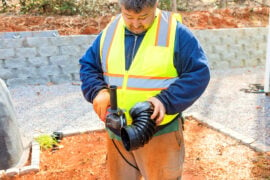
Some of the most serious problems in an older facility sit where no one can see them, beneath concrete slabs, inside walls, and under loading areas. Aging pipes are a common example, since corrosion, cracks, and root intrusion slowly weaken them until leaks and backups begin to interrupt work. Trenchless pipe lining offers a way to restore these lines from the inside, so crews do not have to break up floors or dig long trenches across the site.
The integrity of a building’s hidden infrastructure, from its foundations to its internal services, is a core concern in architectural design and preservation. Addressing these unseen elements without extensive demolition speaks to innovative approaches in maintaining the built environment.
Plant managers who want to protect production while restoring failing lines can get in touch with an Industrial CIPP pipe repair specialist who can work around their schedule and keep disruption to a minimum. Because the work happens with very little digging, operations can usually carry on nearby while the job is completed.
Start With a Clear Picture of Current Conditions
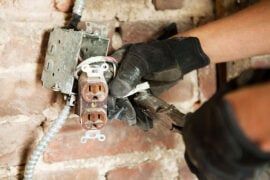
Every successful upgrade begins with an honest look at what the facility already has. Walk the site with maintenance staff and inspectors, and record the age and condition of every major system. Look at electrical panels, roofing, ventilation, lighting, and production equipment. Ask the people who use these systems every day where they see trouble, since they often notice small warning signs long before anything fails.
A thorough assessment of a facility’s existing conditions, encompassing its structural elements, building envelope, and integrated systems like HVAC and lighting, is fundamental to any architectural renovation or adaptive reuse project. Understanding these components informs design decisions that balance aesthetics, functionality, and long-term performance.
Once this review is complete, sort each item by risk. Some problems threaten safety or could stop production entirely, while others simply waste energy or money. This ranking becomes the backbone of the entire plan. It helps leaders spend their budget where it matters most and prevents them from chasing cosmetic upgrades while serious weaknesses remain.
Build a Phased Plan Instead of One Large Project
Trying to modernize an entire facility at once is a recipe for chaos. A phased approach breaks the work into smaller projects that can be finished one at a time. Each phase should have a clear goal, a realistic timeline, and a defined area of the site. This keeps most of the building running normally while one section receives attention.
Phasing also gives the business room to learn. After the first project, managers can see what went well and what caused delays, then adjust the next stage. Spreading the work over months or years also spreads the cost, which makes large improvements easier to fund without straining cash flow.
Schedule Work Around Production Peaks and Quiet Periods
Timing can make or break an upgrade. Most businesses have predictable busy seasons and slower stretches. Planning major tasks for slower months, weekends, holidays, or overnight shifts reduces the impact on output.
Good scheduling also means coordinating with every department. Shipping, receiving, production, and maintenance teams should all know when work will happen and which areas will be affected. A shared calendar and regular check-ins keep everyone aligned and help prevent surprises that could slow the line.
Choose Methods That Limit Downtime
The way a project is carried out matters just as much as when it happens. Modern construction and maintenance methods are designed to reduce mess, noise, and interruption. Prefabricated parts can be built off-site and installed quickly. Temporary power and backup equipment can keep critical machines running while permanent systems are replaced. Modular upgrades allow one unit to be swapped out while others continue working.
When reviewing proposals, ask every contractor how their approach will affect daily operations. Request a clear explanation of how long each area will be closed, what access routes will change, and how they will protect workers and products from dust or debris.
Keep Safety at the Center of Every Phase
Upgrades bring new hazards into a working facility. Contractors, heavy equipment, and temporary barriers all change how people move through the site. Before any work begins, update safety plans, mark off work zones clearly, and make sure everyone understands the new routes and rules.
Daily safety briefings help keep both employees and contractors alert. Supervisors should check that barriers stay in place and emergency exits are never blocked. A safe project is also a faster one, since accidents and injuries cause far longer delays than careful planning ever has.
Communicate Openly With Staff and Customers
People handle change better when they know what to expect. Share the upgrade plan with employees early, explain why the work is necessary, and describe how it will make their jobs easier or safer. Invite questions, since frontline workers often suggest practical ways to reduce disruption.
Customers deserve the same courtesy. If there is any chance that lead times or deliveries could shift, let them know in advance and explain the steps being taken to protect their orders. Clear communication builds trust and shows that the business is investing in its future rather than struggling to keep up.
Invest in Systems That Support Long-Term Growth
Modernization is a chance to prepare the facility for the years ahead, not just to replace what is broken. When choosing new systems, think about future production needs, energy costs, and changing regulations. Efficient lighting, smarter controls, and better insulation can lower monthly bills.
Pair these upgrades with a strong preventive maintenance program. Regular inspections, cleaning, and timely servicing extend the life of new equipment and protect the investment. A facility that is cared for consistently will need fewer emergency fixes, run more smoothly, and stay competitive for many years.