Every home has different valuables, risks, rooms, and storage limits. A standard safe cannot always meet each need.
Custom safes provide secure storage built around the owner’s space and property. Buyers can select the size, layout, lock, finish, and added protection.
These choices help create practical storage without wasting space. They also make daily access easier for approved users.
Why Standard Safes May Not Meet Every Need
Ready-made safes come in fixed sizes with set shelves and basic lock choices. These limits work for many homes but may cause problems elsewhere.
A small unit may not hold large documents, collections, or valuable equipment. A large model may waste space or block a narrow room.
Fixed shelves can also make poor use of the safe’s inner space. Deep shelves may hide small items behind larger ones.
Some owners need separate sections for cash, jewelry, records, and family items. Others need drawers that prevent small pieces from mixing.
The lock may also be wrong for the user’s daily needs. A key can be lost, while a code can be shared.
A custom-built safe addresses these issues before production begins. Its design reflects the items, room, risks, and access needs.
What Makes a Safe Custom
A safe becomes custom when key parts are made for one buyer. Changes may affect its body, interior, lock, finish, or added features.
Heavy-duty steel forms the main body of many secure safes. The door and lock parts must also resist common break-in methods.
Design choices should never weaken the main purpose of the unit. A tailored safe must still provide firm and dependable protection.
Custom Sizes and Shapes
Size is one of the main reasons to order custom safes. The unit can fit a planned space instead of forcing major room changes.
Accurate measurements are vital before the design work begins. Buyers should measure width, depth, height, doors, stairs, and hallways.
The outer size does not show the true storage space inside. Thick walls and doors reduce the usable inner area.
Door movement also needs careful thought during the planning stage. Nearby walls or furniture can stop the door from opening fully.
Floor strength matters because heavy safes place great weight on a small area. A trained installer can check the site before delivery.
Interior Layout Options
A custom interior makes stored items easier to sort and reach. Buyers can select shelves, drawers, racks, and separate storage sections.
Adjustable shelves suit collections that may change over time. Fixed drawers offer stable storage for jewelry, watches, cash, and small records.
Velvet-lined drawers can help protect fine items from scratches. Interior lights make small objects easier to find in low light.
A dehumidifier may help control moisture inside the unit. This can support better storage for metal items and paper records.
The layout should place often-used items near the front. Rarely used items can stay in deeper or lower sections.
Lock and Access Choices
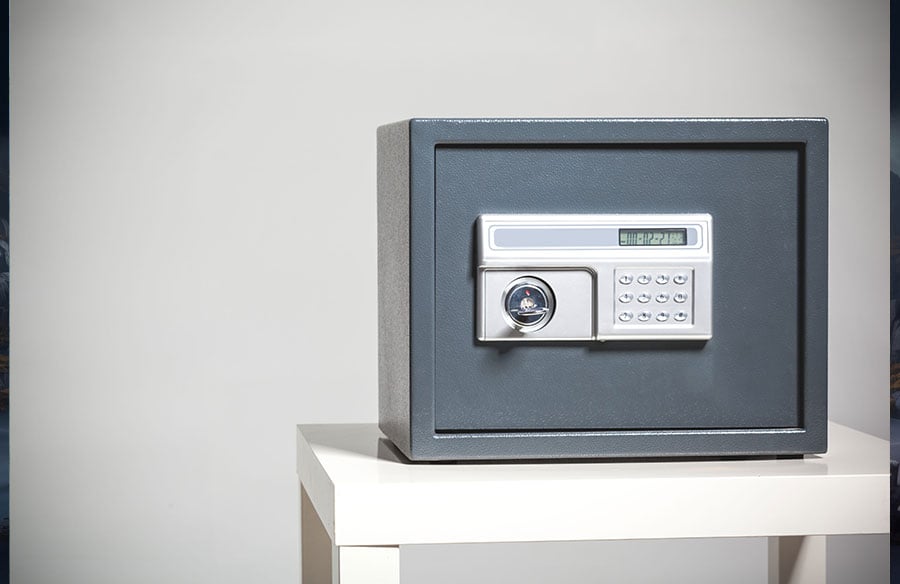
Common lock choices include combination dials, electronic keypads, and biometric readers. Each type offers a different way to control access.
A dial lock does not rely on batteries or electronic parts. It needs careful use and may take longer to open.
An electronic keypad supports quick access with a chosen code. Owners must protect that code and follow the maker’s battery instructions.
A biometric reader uses stored body data, often a fingerprint. Its use depends on the lock model and approved user setup.
Some homes may need access for more than one person. The chosen lock should suit every approved user’s needs and skills.
Matching a Custom Safe to Your Valuables
The contents should guide the safe’s size, layout, and protection level. Start by listing every item that needs secure storage.
Group items by size, value, use rate, and risk. Well-planned custom safes keep different item types apart and easy to reach.
Leave some free space for future purchases and family records. A safe that starts full may become hard to use quickly.
High-value property may also affect home insurance terms. Owners should ask their insurer about safe ratings and installation rules.
Jewelry, Cash, and Documents
Jewelry needs small sections that keep pieces apart during storage. Soft-lined drawers can reduce contact between rings, watches, and necklaces.
Cash should remain flat, dry, and easy to count. Separate drawers can help owners sort notes, coins, and key records.
Passports, deeds, certificates, and other papers need enough flat space. Folding key records can cause wear or make details harder to read.
Digital media may face different heat risks than paper. Storage plans should reflect the exact items kept inside.
Collectibles and Family Heirlooms
Collectibles often vary in size, shape, and storage needs. Adjustable shelves can support changing displays or new pieces.
Family heirlooms may include photos, letters, medals, watches, and small art. Separate sections help prevent contact and damage.
Owners should not assume every safe controls heat and moisture equally. Fire and water protection depend on the unit’s tested design.
The interior should also allow safe lifting and removal. Heavy items placed too high can fall or strain the user.
Choosing the Best Location in Your Home
A good location balances privacy, access, support, and delivery needs. The safe should remain easy for approved users to reach.
Basements may offer firm floors but can face water risks. Upper floors may require a load check before installation.
A closet can hide the unit from casual view. However, tight walls may limit door movement and service access.
The delivery team needs a clear route from the entrance. Narrow turns, weak stairs, and low frames can block safe movement.
Professional installation helps secure the unit and protect the home. The installer should follow the maker’s rules for the chosen model.
Burglary, Fire, and Water Protection
These threats require different forms of protection. A strong lock alone does not provide full fire or water protection.
Burglary resistance comes from the body, door, bolts, lock, and relock parts. Rated models are tested against set tools and attack times.
Fire protection depends on the safe’s build and tested fire rating. Buyers should match that rating to the items stored.
Water resistance is another separate feature. Some custom safes can include water protection when it forms part of the final design.
No safe should be called fireproof without proof of its tested rating. Clear product data helps buyers compare real protection levels.
Useful Features for Daily Access
Small features can make secure storage easier to use each day. Good lighting helps users find items without emptying shelves.
Pull-out drawers improve access to small goods near the back. Shelf labels can also help family members return items correctly.
A planned power source may support lights or a dehumidifier. Wiring must not create a weak point in the safe body.
Interior finishes can protect stored items and improve the overall look. Buyers may also select an outer finish that suits the room.
Convenience should never weaken security. Every added part must support the safe’s main protective role.
Planning for Safe Delivery and Installation
Planning should start before the safe enters production. Buyers need final room measurements and a checked delivery route.
The plan should cover stairs, elevators, doorways, floors, and sharp turns. It should also confirm the safe’s final installed position.
Heavy units may need special moving tools and trained staff. Owners should not attempt to move them without proper equipment.
Installation may include anchoring based on the model and site. Correct work helps limit movement during a break-in attempt.
Keep service space around locks, hinges, and powered features. Future repairs become harder when the safe is boxed inside fixed furniture.
Questions to Ask Before Ordering a Custom Safe
Ask clear questions before approving the final plan:
- What items will the safe hold now and later?
- What usable inner space will the finished unit provide?
- Which burglary and fire ratings are available?
- Does the model include tested water protection?
- Which lock best suits all approved users?
- Can shelves and drawers be changed later?
- Does the safe need power for any added features?
- Can the delivery route support the unit’s size and weight?
- What site work is needed before delivery?
- Who will install and service the safe?
Written answers make the final design easier to review. They also reduce mistakes during production, delivery, and installation.
Final Thoughts
Custom safes help solve problems that fixed models cannot always address. They can match the home, stored items, access needs, and main risks.
The best design starts with an honest list of valuables and concerns. Size, layout, locks, ratings, and placement must work together.
Careful planning creates secure storage that remains useful for years. Professional delivery and installation complete that protection.