If you’ve spent any time around creative circles lately, you’ll have noticed just how much our working world has shifted in 2026. The traditional office layout, with static desks and permanent workstations, is steadily fading away. In its place, we’ve got flexible workspaces, dynamic spaces that blend home offices, co-working lounges, local cafes and even outdoor spots into one fluid working environment. This isn’t just about changing where we clock in each day, it’s reshaping our entire approach to productivity, creativity and design as a whole. Right at the centre of this ongoing shift is a piece of tech many of us now can’t live without: the portable monitor. What started out as a niche travel gadget has grown into a staple across modern design culture, and its impact is hard to overlook.
The new era of flexible work and evolving design culture
Hybrid and remote working is no longer a temporary trend, it’s become the default for countless creative professionals across the globe. Walk into any design community today, and you’ll find graphic artists, video editors, UX designers and illustrators choosing to work from wherever feels right for them. Old-school office setups simply don’t fit this new way of life. Bulky fixed monitors and rigid desk arrangements hold people back, rather than support the way modern creatives operate.
Today’s design culture leans hard into mobility, simplicity and unfiltered creativity. People want tools that blend into their lifestyle, not weigh them down. Clunky equipment and restrictive setups are being left behind, replaced by sleek, practical gear that moves as easily as they do. A concept we keep seeing referenced is the anywhere studio, the idea that a fully functional design workspace can be set up anywhere inspiration strikes. This is where portable displays truly come into their own, bridging the gap between total work freedom and consistent, reliable output.
Why a portable monitor has become non-negotiable for designers
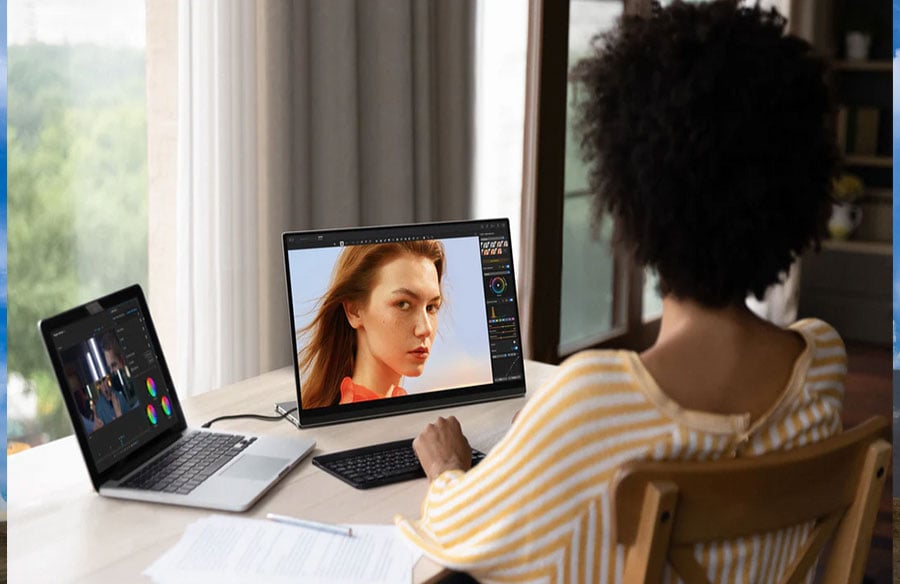
A portable monitor is a slim, lightweight external screen that connects quickly to laptops, tablets and smartphones using USB-C or HDMI. Plug it in, and you instantly gain extra screen real estate, something every designer knows is far more than a nice-to-have feature. When you’re juggling design canvases, toolbars, reference files, client messages and live calls all at once, a single laptop screen just doesn’t cut it. Constantly clicking between windows breaks your flow, kills momentum and makes even simple projects feel slower than they need to be.
Thankfully, modern portable displays have come a long way to match professional design standards. Brands such asUPERFECT have refined their lineup to deliver 4K resolution, full 100% DCI-P3 colour coverage and responsive touch capabilities, features that once only existed on high-end desktop screens. For anyone working with visuals, accurate colour reproduction makes all the difference. It means the work you craft on screen translates perfectly to final outputs, whether that’s printed artwork, digital assets or edited video footage.
Portability is where these devices really shine too. Many models weigh next to nothing, thin enough to slip straight into a standard backpack or everyday bag. You could start your workday brainstorming in a quiet cafe, move to a co-working space for team discussions later on, then wrap up projects from the comfort of your home. Through it all, you keep that familiar dual-screen setup you rely on. This level of adaptability fits perfectly with the nomadic mindset running through design culture right now, because inspiration rarely sticks to one single location.
Mini monitor: Small form factor, big value for specialised design work
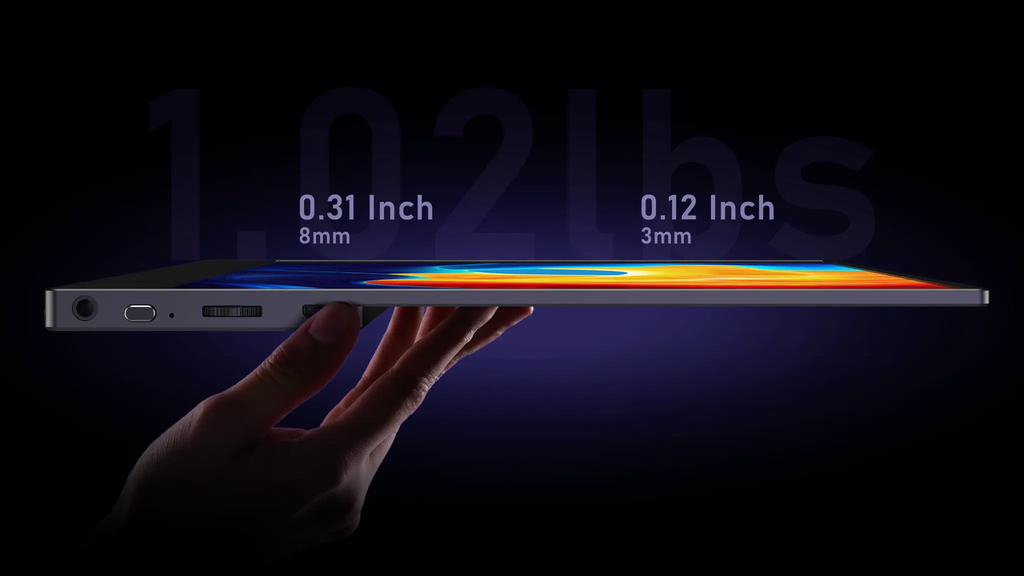 Standard portable monitors, usually between 14 and 16 inches, dominate most of the market, but compact mini monitor devices in the 7 to 12 inch range have carved out a loyal following for specific design tasks. These ultra-small displays add useful secondary screen space, without adding extra bulk to your daily carry. It’s easy to see why they work so well.
UX designers often use a mini monitor to keep wireframes and user testing data visible at all times, while they focus fully on building prototypes across their main display. Illustrators and digital artists will pin colour palettes, mood boards and reference images on these smaller screens, leaving their primary display completely free for detailed artwork. They work brilliantly for quick team collaborations as well. During informal meetings, you can pull out a mini monitor to share drafts and gather instant feedback, no large projectors or fixed wall screens required. Their understated, compact look also fits seamlessly with the minimalist design aesthetic that defines workspaces in 2026.
UPERFECT: Pushing forward portable display innovation for creatives
There’s no shortage of brands making portable screens these days, but UPERFECT has built a strong reputation by focusing on what actual creators need day in and day out. Their 2026 collection doesn’t chase empty gimmicks, it targets real pain points designers face regularly. Take their popular 15.6-inch OLED portable monitor, for example. It delivers sharp 4K visuals, impressive colour accuracy and a fast response rate, making it a solid pick for video production and detailed graphic design work. The built-in touchscreen works with stylus input too, so you can sketch, annotate and edit directly on the display, much like you would with a dedicated drawing tablet.
Versatility is another big strength here. These screens switch easily between landscape and portrait modes, a huge help for anyone creating vertical social media content or mobile app interfaces. The plug-and-play USB-C connection works with nearly every modern device, so it’s not just limited to design work. Many people use it for streaming media or casual entertainment after hours as well. The battery-powered variants offer around seven hours of use on a single charge, which is ideal for digital nomads who spend long stretches working away from power outlets.
How portable displays are defining the future of design culture
Bringing portable screens and mini monitors into flexible workspaces is about more than just boosting productivity. It represents a genuine cultural shift across the design industry in 2026. These devices remove physical boundaries, letting creatives work in environments that feel inspiring and comfortable, rather than confined. They align perfectly with the mobile, minimal-first approach that shapes modern workspace design, where function and visual style go hand in hand.
Flexible working models will keep evolving in the years ahead, and portable displays will remain a core part of that journey. They’ve moved from optional extras to essential tools for anyone who creates on the move. Brands like UPERFECT continue to refine their technology, aiming to give designers the freedom to create without limitations, no matter where their work takes them.
At the end of the day, flexible workspaces in 2026 stand for one simple thing, freedom. The freedom to create, collaborate and innovate on your own terms. And standing alongside every creative on this journey is the portable monitor, a small piece of technology that has fundamentally changed how we design, work and bring new ideas to life.