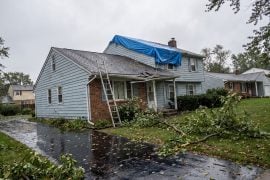
Water intrusion is often treated as a cleanup problem, but its effects are architectural. A burst supply line, roof leak, failed appliance, or storm opening can change the behavior of an entire wall, floor, or ceiling assembly. Water rarely stays inside the room where it first appears. It moves beneath finishes, enters cavities, saturates insulation, and follows joints between materials. If the response focuses only on what can be seen, hidden moisture may continue damaging the building after the surface looks dry.
For architects, property managers, and homeowners, effective recovery begins with a building-science question: where did the water travel, and how can the assembly be returned to a stable moisture condition without creating additional damage?
Understanding How Water Moves Through Buildings
Moisture can travel by gravity, capillary action, air movement, and vapor diffusion. These mechanisms explain why a small visible stain may not represent the full affected area. Water from an upper floor can run along framing members before appearing below, while porous materials can draw moisture sideways or upward. Gypsum board, wood framing, insulation, subflooring, and finish materials also absorb and release moisture at different rates.
The construction of the building matters as much as the volume of water. A wall with an impermeable finish may trap moisture inside its cavity. A layered floor assembly can hold water between the finish floor and subfloor. Renovated buildings may contain older materials beneath newer finishes, making the drying path harder to predict.
Visible Dryness Is Not Measured Dryness
A surface that feels dry is not necessarily ready to be closed, painted, or repaired. Moisture assessment uses readings from both affected and unaffected areas to establish a practical comparison. The objective is not simply to operate drying equipment for a fixed number of days, but to track whether the materials are moving toward an appropriate dry standard.
This process helps determine which components can remain and which must be removed. Durable, nonporous finishes may need cleaning and access for drying, while heavily saturated insulation or damaged composite materials may require replacement. Thoughtful assessment can prevent two expensive mistakes: leaving wet material inside the assembly or demolishing sound material that could have been dried in place.
Why the Pacific Northwest Requires a Controlled Approach
The Pacific Northwest presents particular drying challenges. Cool temperatures, frequent rain, and high outdoor humidity can reduce the usefulness of natural ventilation. Opening windows may help under the right conditions, but it can also introduce more moisture into the building. Modern airtight construction and energy-efficiency upgrades can further limit passive drying.
A controlled drying plan coordinates extraction, air movement, temperature, and dehumidification. Equipment should support a defined drying goal rather than simply create noise and heat. For property owners in South King County, working with a local response provider such as Total Dry Restoration can help connect initial water removal with moisture assessment, controlled drying, and a documented recovery plan.
A Building-Focused Recovery Sequence
The first step is to stop or isolate the water source and address immediate safety concerns. Electrical hazards, contaminated water, unstable finishes, and ceiling loads may change how the space can be entered. Once conditions are safe, standing water should be removed and the extent of migration mapped.
Selective access comes next. Baseboards, toe kicks, small sections of finish, or other components may need to be removed so trapped moisture can escape. This should be guided by evidence, not by indiscriminate demolition. Drying equipment can then be positioned to move moist air away from surfaces and remove water vapor from the environment.
The final stage is verification. Repeated readings should show that the affected materials have reached an acceptable condition relative to the building and material type. Photographs, moisture records, and notes about removed materials create a useful history for repairs, insurance discussions, and future maintenance.
Turning Recovery Into Resilience
Water damage also exposes weaknesses that ordinary inspections may miss. Failed sealants, inadequate flashing, poorly managed roof drainage, vulnerable plumbing connections, or insufficient ventilation can become visible only after an incident. Repair work is therefore an opportunity to correct the cause, improve access to critical components, and reconsider moisture-sensitive material choices.
The best recovery does more than make a room look finished again. It restores the performance of the building assembly and reduces the chance that hidden moisture will shape the next failure. When water intrusion is approached as a building-science problem, the result can be safer reconstruction, less unnecessary material waste, and a more resilient home.