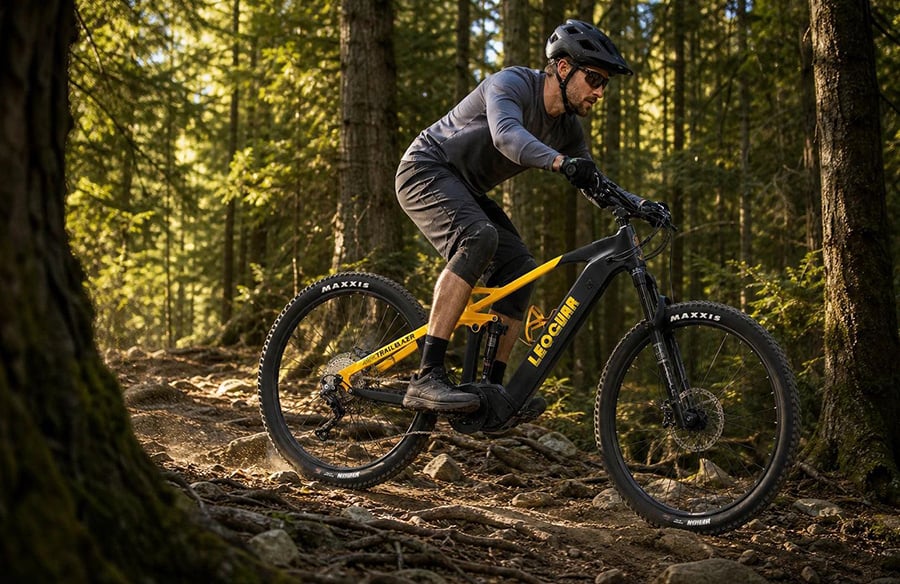
The choice between a hunting electric bike and an ATV isn’t about which is better. It’s about which tool fits your specific hunt. The best decision depends on your terrain, access needs, and what you need to carry.
To put it simply: An electric bike works best for stealth, scent control, and accessing trails where motorized vehicles can’t go. It lets you cover ground quietly without getting tired. An ATV wins for raw power, hauling heavy loads like elk or multiple tree stands, and handling the toughest terrain without any trouble.
Head-to-Head Comparison
A side-by-side look makes the trade-offs clear. Here’s how these two vehicles compare on the factors that matter most to hunters.
| Feature | Hunting Electric Bike | ATV |
| Stealth (Noise & Scent) | Nearly silent motor, no exhaust fumes. Minimal disturbance. | Loud engine noise, gasoline and oil fumes. High disturbance. |
| Terrain Access | Can access non-motorized trails (where legal). Excellent for gated roads. | Restricted to designated motorized trails and routes. |
| Hauling Capacity | 300-400 lbs total payload (rider + gear). Requires a trailer for game. | 500-1000+ lbs payload. Can tow heavy trailers and haul large game easily. |
| Upfront Cost | $3,000 – $8,000 for a quality model. | $6,000 – $15,000+ for a new, reliable model. |
| Long-Term Maintenance | Basic bike care (chain, brakes, tires), eventual battery replacement. | Regular oil changes, filter cleaning, complex engine and transmission service. |
| Portability & Storage | Can be transported on a standard vehicle bike rack. Smaller storage footprint. | Requires a trailer or truck bed for transport. Needs significant garage space.
The spatial demands of such equipment highlight a common challenge in residential design: accommodating specialized gear within limited footprints. Efficient garage layouts, modular storage systems, and even dedicated outdoor sheds become critical design considerations for homeowners with active lifestyles, influencing architectural choices from initial planning stages. |
| Legal Regulations | Varies by state/land; often classified as a bicycle, opening more access. | Heavily regulated as a motorized vehicle with specific trail restrictions. |
| Physical Effort Required | Low to moderate. Pedal-assist still requires some effort, especially on hills. | Minimal physical effort required from the operator. |
The Deep Dive
Let’s break down the key differences to give you real-world context behind the numbers.
Stealth and Scent Control
Success in the field often comes down to staying hidden. This is where an electric bike gives you a huge advantage. Its electric motor is nearly silent, making noise levels under 25 decibels, like a whisper. An ATV engine can roar at 85-95 dB, alerting every animal in a wide area.
Beyond noise, a hunting ebike produces zero exhaust fumes. This gets rid of the gasoline scent that follows an ATV, which matters a lot for hunters who worry about scent. For those who need to get close, this silent, scent-free approach offers what many consider game-changing advantages for bowhunters, letting them slip into a stand without spooking nearby game.
Terrain and Access
Here, you’re trading raw power for legal freedom. An ATV is built to handle anything. Deep mud, thick snow, and steep rocky hills are where it shines, needing nothing more than a push of the throttle. If your hunt involves crossing swamps or tough mountain terrain, the ATV’s power is essential. That said, a capable electric mountain bike can still handle plenty of rough trails.
However, that power comes with limits. ATVs must stay on trails and areas marked for motorized use. An electric bike often falls into a different legal class. In many areas, it can legally access trail systems closed to ATVs, like mountain bike paths, logging roads behind locked gates, and other non-motorized routes. This can open up thousands of acres of public land that vehicles rarely touch. You must check the specific rules for your area, since state-specific e-bike regulations for hunting can vary a lot.
Hauling Capacity
This isn’t even close. An ATV is a workhorse designed for heavy loads. It can easily carry multiple hunters, heavy tree stands, bags of corn, large coolers, and most importantly, a whole deer or cut-up elk.
An electric bike is a tool for personal travel with gear. Most quality models have a total weight limit of around 300-400 pounds, including the rider. From experience, hauling out a cut-up deer with an ebike trailer works fine, but it requires careful load balancing and drains the battery a lot, especially on hills. It’s a good solution for one person and one animal. It won’t work for hauling camp supplies for a week or packing out a bull elk in one trip.
- E-Bike Haul: Bow or rifle, backpack, climbing stand, cut-up whitetail with a trailer.
- ATV Haul: Multiple stands, bait barrels, large coolers, whole deer or elk, a second hunter.
 Cost of Ownership
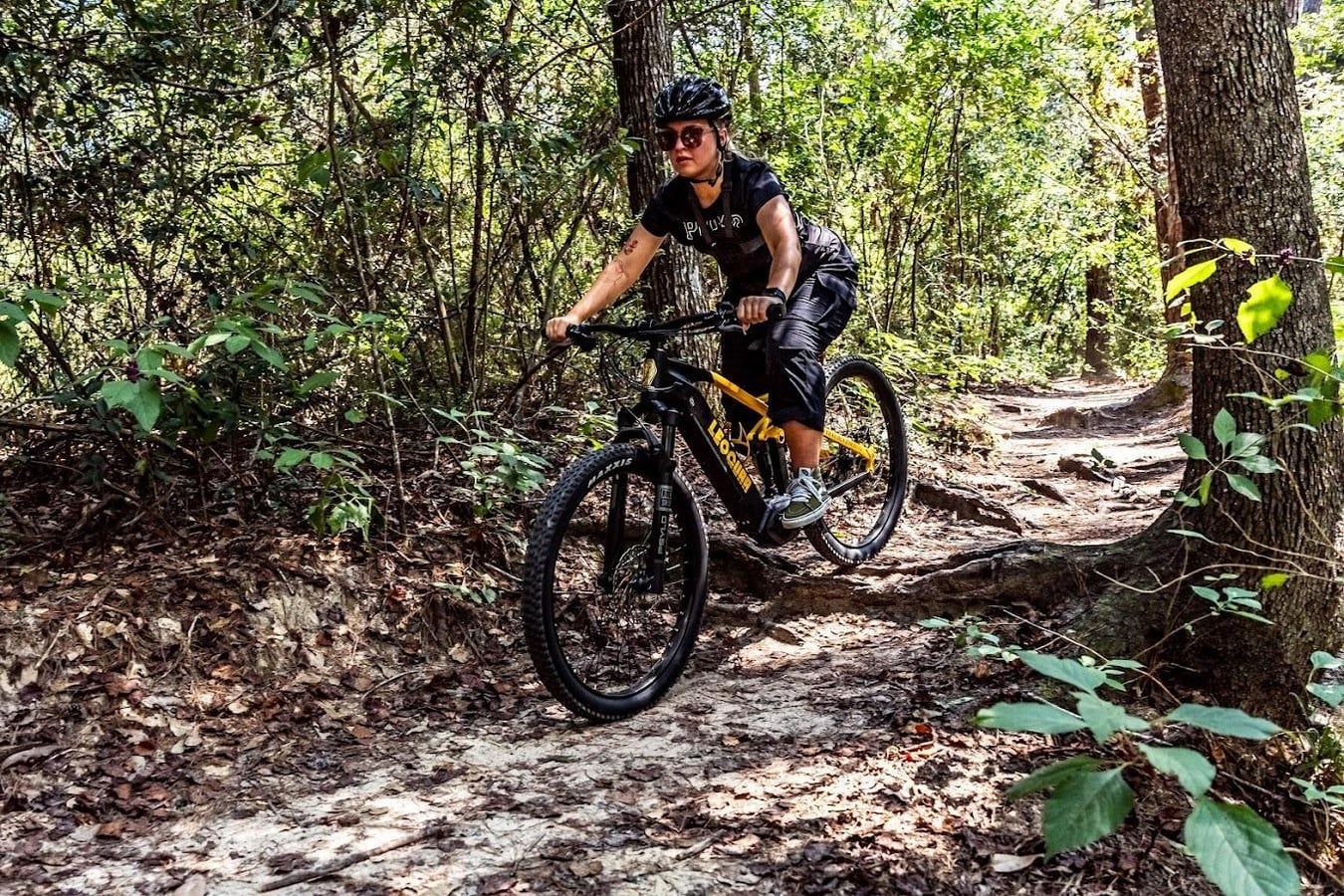
The initial purchase is just the start. While a quality electric bike might cost between $3,000 and $8,000, a reliable new ATV often starts at $6,000 and can easily go over $15,000. The long-term costs differ even more.
- Initial Purchase: ATVs ($6,000 – 3,000 – $8,000).
- Fuel: An ATV needs constant gasoline and oil. An ebike battery costs only pennies to charge.
- Maintenance: ATVs need regular, complex engine service like oil changes and filter replacements. E-bikes need simple bicycle care on the chain, brakes, and tires. The biggest future cost for an ebike is a new battery, which typically costs 1,000 after several years of use.
For either vehicle, buying quality parts from the start is key for reliability in the backcountry, a fact confirmed by gear that is tested and reviewed by publications like Outdoor Life.
This emphasis on durable, high-quality components resonates deeply within architecture and product design, where material selection directly impacts longevity, performance, and sustainability. Designing for resilience in harsh conditions, whether a remote trail or an urban environment, requires a meticulous approach to engineering and material science, ensuring structures and products withstand the test of time and use.
Scenario-Based Showdown
Let’s apply this to common hunting situations to pick a winner.
Backcountry Elk Hunter
Verdict: ATV as the main vehicle, with an ebike as a powerful second tool. The huge challenge of covering vast, rough terrain in the Rockies and needing to haul out 200+ pounds of meat makes an ATV almost required. It serves as the base camp workhorse. The ebike becomes a precise tool for the final, silent approach to a viewing spot or bedding area.
Whitetail on Farmland
Verdict: The Electric Bike is the clear winner. Here, the main goals are stealth and keeping pressure low. The distances are shorter, the terrain is easier, and hauling a whitetail is well within what an ebike with a trailer can do. Its silent motor won’t disturb deer on your property or your neighbor’s. This matches the priorities shared in discussions among hunters on forums like Rokslide, who focus on keeping their hunting spots quiet.
Public Land Gated Roads
Verdict: The hunting ebike offers a big advantage. This is where the hunting ebike truly changes the game. Many public lands have miles of gated access roads that are closed to ATVs but open to foot and bicycle traffic. An ebike lets you glide past the walking crowds, covering miles quickly and silently to reach deep, unpressured areas where mature animals feel safe.
The Hybrid Strategy
For the serious hunter with the money, the best solution is not choosing one over the other but using them together. This “base camp” strategy offers the best of both worlds.
The concept of a ‘base camp’ in hunting mirrors architectural principles of temporary or modular structures designed for specific functions and environments. This strategic spatial planning, optimizing for both utility and minimal impact, is crucial in various design contexts, from disaster relief housing to remote research stations, where adaptability and efficient resource deployment are paramount.
- Use the ATV for its power and hauling ability. Load it with your heavy camp gear, coolers, and your electric bike. Drive it to a remote base camp or the legal boundary of your hunting area.
- Park the ATV and leave the noise and scent behind. Switch to the ebike for the final one to three miles of your hunt.
- Benefit from the ATV’s strength for the long haul and the ebike’s stealth for the critical entry and exit from your hunting spot. This turns eBikes as a perfect hunting companion to work with the brute force of the ATV.
The Final Verdict
Making the right choice comes down to honestly looking at your personal hunting style and limits. Don’t buy a tool for the hunt you wish you had; buy one for the hunt you actually do. Ask yourself these questions:
- What is my main barrier? Is it the physical toll of a long walk in, suggesting an ebike? Or is it the distance and extreme terrain, pointing toward an ATV?
- Where do I hunt? Are my spots accessible via motorized trails, or could I unlock new areas by using non-motorized paths? Check your local rules first.
- What am I hauling? Am I a simple whitetail hunter, or do I need to pack out an entire elk camp and the animal itself? Be realistic about your carrying needs.
- What is my budget? Consider not just the upfront price but the long-term cost of fuel, maintenance, and storage. An ebike is much cheaper to own and operate over its lifetime.
Frequently Asked Questions
Can I legally use an electric bike on all hunting trails? No, ebike access varies significantly by state and land management agency. While many areas classify ebikes as bicycles and allow access to non-motorized trails, some restrict them like motorized vehicles. Always check local regulations before heading out.
How far can an electric bike go on a single charge? Most quality hunting ebikes can travel 20-40 miles on a single charge, depending on terrain, rider weight, cargo load, and assist level used. Steep hills and heavy loads will reduce range significantly.
What happens if my ebike battery dies in the backcountry? You can still pedal an electric bike like a regular bicycle if the battery dies, though it will be heavier and more difficult. Many hunters carry a spare battery or portable charger for longer trips.
Can I haul a deer with an electric bike? Yes, with the right trailer attachment, you can haul a quartered deer with an ebike. However, the added weight will reduce your range and make hills more challenging. Most hunters quarter the animal first rather than trying to haul it whole.
Are electric bikes worth the cost compared to walking? For many hunters, yes. Hunting ebikes allow you to cover more ground with less fatigue, access remote areas more easily, and pack out game more efficiently. They’re especially valuable for hunters with physical limitations or those hunting large properties where walking would be too time-consuming.