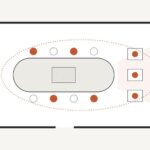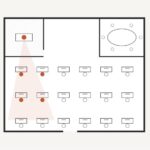
Proximity bias is real, and the brain assumes visibility equals productivity. Office life gives recognition and belonging a physical aspect. Sitting next to leadership is a real advantage, and being in the room when a $12 million client renews means something. Hybrid work has weakened that link. Good work still happens, but it’s harder to notice. Naturally, the next question is: how does contribution become visible when teams are spread across offices, homes, and time zones?
The workplace of the future needs to design employee recognition without relying on physical proximity. That means creating repeatable ways to surface good work, giving managers a way to respond when they see it, and keeping the experience consistent. Recognition and incentive platforms are filling this gap. Giftogram supports that model through individual and bulk reward distribution, scheduled sends, and recipient choice, so employee rewards don’t depend on whether someone is in the office.
Making Belonging Less Accidental
Belonging had an ambient layer. Shared lunches and everyday contact signaled to employees that they belonged. Hybrid work hasn’t removed belonging, but it has removed some unplanned moments that once created those signals. Feeling valued at work is central to culture, and workplace culture drives business success.
McKinsey found in 2021 that among employees who had recently left jobs, 54% said they had not felt valued by their organization, 52% had not felt valued by their manager, and 51% cited a lack of belonging (2021). The takeaway is not that everyone needs to return to the office. Instead, organizations can no longer rely on this ambient presence to foster culture. This is where workplace design matters. An adaptive workplace strategy combines physical space, technology, and policy. Employee recognition fits into this conversation because visibility increasingly depends on systems and management habits.
 Employee Recognition Needs Better Infrastructure
Hybrid work turns employee recognition into a visibility problem. Gallup’s research on distributed teams argues that remote employees need fairness and visibility, with recognition based on meaningful contribution rather than proximity (2026). A remote employee can spot an issue in Slack, explain the fix, and move on, while someone in the office repeats the point in a meeting and gets remembered for it. The problem isn’t bad intentions; it’s the psychological bias to reward visibility.
| Employee recognition touchpoint | Office-era shortcut | Hybrid-era requirement |
| Noticing finished work | Informal visibility | Deliberately surfaced contributions |
| Public credit | Meetings and hallway conversations | Written, async-friendly acknowledgment |
| Milestones | Shared physical events | Experiences that work across locations |
| Manager visibility | Proximity to the team | Regular check-ins and documented wins |
| Employee rewards | One-off local arrangements | Consistent budgets, access and fulfillment |
Better infrastructure removes the administrative burden, giving managers more time to recognize. Giftogram’s Team Wallet budgets and permissions, exportable reporting, and recipient choice give larger organizations a consistent operating layer for employee rewards. At the same time, managers remain responsible for recognizing the work and explaining why it mattered.
Physical Space Becomes the Amplifier
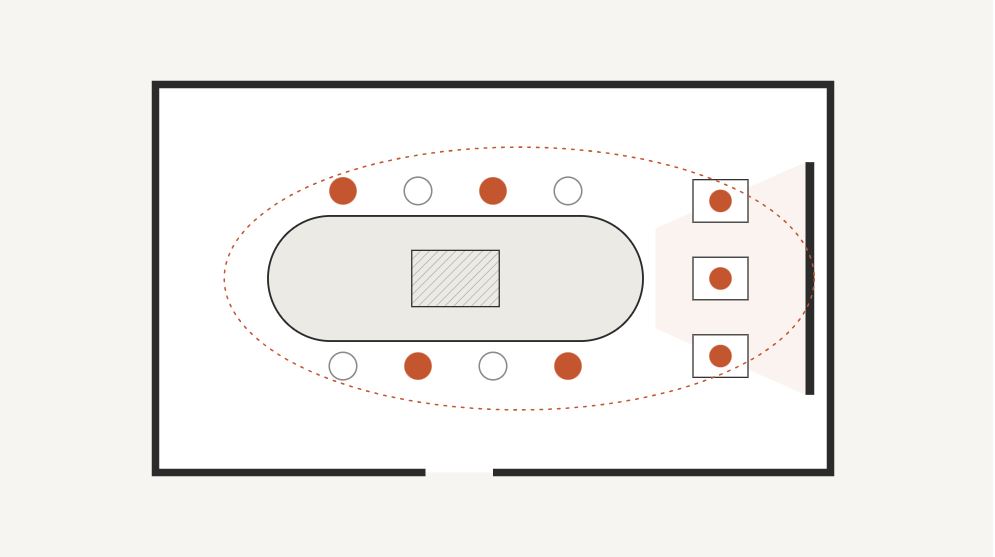
The office space still matters. It makes finishing a project feel communal. But treat this physical space as an amplifier, not the origin of culture. Employee recognition rituals around project reviews, milestones, and closeouts help close this gap. They give employee recognition a place in the rhythm of work. And the same principle should apply outside the office.
A project should not become less visible because half the team joined the closeout remotely. Facilities can design spaces for connection, but HR and managers determine whether recognition travels beyond those spaces. Treating the two as separate problems creates a workplace that works well for whoever happens to be present.
The Next Workplace Has to Design for Visibility
The future workplace needs to decide how to make valuable work visible when physical space no longer guarantees it. That means asking different design questions. Can a remote employee’s contribution surface as easily as an office-based employee’s? Do milestone experiences work across locations? Is employee recognition consistent among hybrid workers? Those questions belong beside floor plans, collaboration tools, and workplace policies because they shape how the workplace is actually experienced.
Employee recognition and belonging are no longer reliable by-products of a building. The organizations that adapt will treat physical space as one part of a wider system designed to make contributions visible wherever work happens.
 Frequently Asked Questions
How should hybrid workplaces approach employee recognition?
Hybrid workplaces should make employee recognition independent of location by creating deliberate ways to surface contributions, giving managers clear ways to acknowledge them, and ensuring remote employees don’t depend on physical visibility to receive credit.
Does employee recognition need to include a reward?
Not always, as a manager or colleague’s specific acknowledgment can matter on its own. Rewards work best when they reinforce a meaningful contribution or milestone, not when they replace the message explaining why the work mattered.
How can companies keep employee recognition consistent across distributed teams?
Distributed teams need a way to preserve the personal side of recognition without making reward delivery consistent. Giftogram can handle individual or bulk sends and scheduled rewards, while Team Wallet budgets and permissions help organizations control spending across larger programs. Managers still decide what deserves recognition; the platform standardizes reward delivery.