The way we work has changed permanently. Remote shifts, hybrid models, and evolving employee expectations have pushed businesses to rethink their physical and digital environments.
Adaptive workplace design is no longer a luxury. It is a strategic necessity for any organisation that wants to stay competitive, attract top talent, and build a resilient culture.
This article breaks down what adaptive workplace design actually means, why it matters more than ever, and how businesses of all sizes can start putting it into practice.
What Is Adaptive Workplace Design?
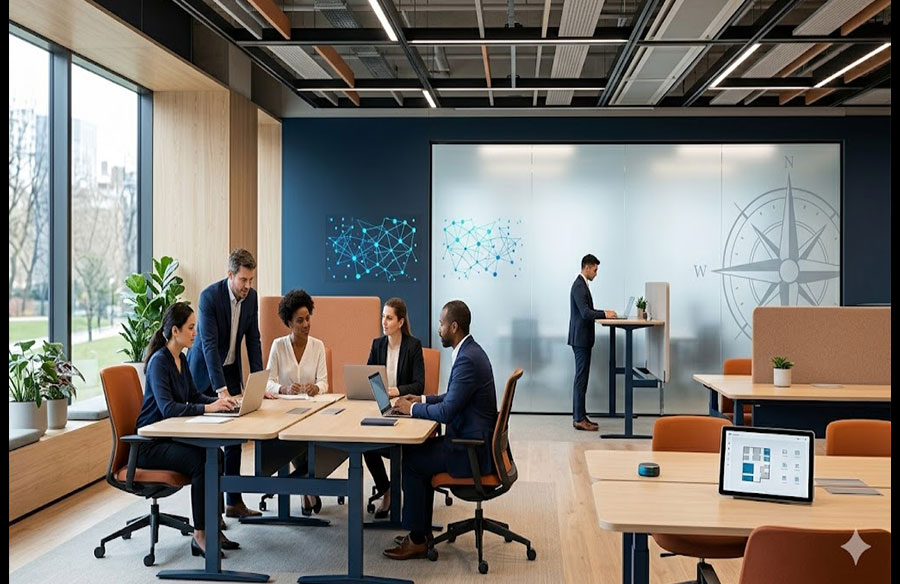
Adaptive workplace design is the process of creating work environments that can flex and evolve alongside the needs of a business and its people. This includes physical spaces that can be reconfigured, technology infrastructure that supports multiple work styles, and workplace policies that empower employees to choose how and where they work best.
It is not just about open-plan offices or standing desks. It is about building a holistic ecosystem where the environment serves the work, not the other way around. A truly adaptive workplace responds to change instead of resisting it.
“Organisations that build adaptability into their workplaces early are far better prepared to handle operational changes without costly redesigns later,” says Sharon Amos, Director at Air Ambulance 1.
Business Case for Flexibility
Productivity That Actually Scales
Rigid office layouts were designed for a different era of work. Today, employees move between deep focus tasks, collaborative sessions, and virtual meetings throughout a single day. A workspace that cannot accommodate these shifts quietly drains productivity without anyone noticing the root cause.
Research from Global Workplace Analytics suggests that flexible work arrangements matched with the right physical design can boost productivity by up to 13%. Giving employees some control over their environment is one of the simplest performance investments a business can make.
Retention and Talent Attraction
Top talent today evaluates more than salary. They look at culture, flexibility, and whether the workplace actually feels designed for human beings. A thoughtful adaptive environment signals that a company genuinely values its people.
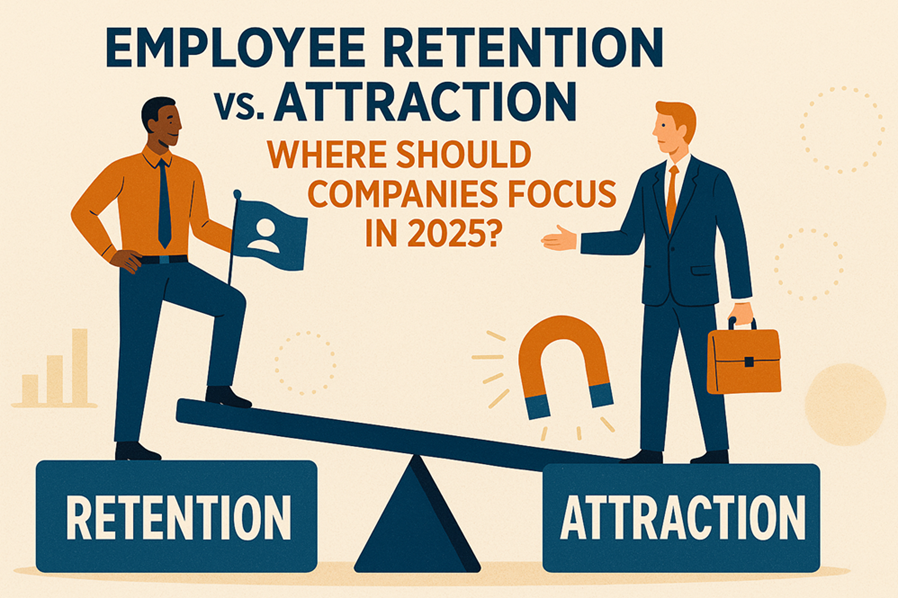 Younger professionals, especially Gen Z and millennials, rank workplace design as a significant factor when accepting job offers. Your office is part of your employer brand, whether you intend it to be or not. Candidates walk in and know within five minutes if a space was built for them.
Businesses that ignore workplace design risk losing ground in the talent competition, especially as expectations continue to rise.
Key Elements of an Adaptive Workplace
Modular and Multi-Use Spaces
Modular furniture and reconfigurable rooms allow the same square footage to serve different purposes throughout the day. A meeting room in the morning can become a quiet focus zone by afternoon. This kind of versatility reduces real estate costs while increasing the overall usefulness of a space.
Businesses using modular design consistently report better space utilisation and fewer complaints about noise and overcrowding. The layout adapts to the team, not the other way around.
Technology-Enabled Environments
Adaptive workplaces depend on smart technology. Desk booking systems, occupancy sensors, and collaborative digital tools enable employees to plan their day and space. This data also helps facilities teams make smarter decisions about how space is actually being used.
“Smart systems are what make workplace flexibility scalable. Without real-time data and connected tools, businesses are simply redesigning space without improving how people actually work,” says Brandy Hastings of SmartSites.
Cloud-based communication platforms are equally important. When in-person and remote employees can collaborate without friction, the workplace functions as one connected unit regardless of physical location.
Wellness-Centred Design
Air quality, natural light, acoustic control, and ergonomic furniture are not perks. They are components of a high-performing environment. Employees in well-designed spaces report lower stress levels, fewer sick days, and consistently higher job satisfaction.
“Well-being and productivity are not trade-offs. Spaces designed to support human health naturally create stronger focus, resilience, and long-term performance,” says Seph Fontane Pennock, Founder of Regenerated.com.
Biophilic design elements such as plants, natural textures, and views of the outdoors are increasingly part of modern workplaces. These additions have measurable positive effects on mood and focus that show up in performance data.
Adaptive Design and the Hybrid Work Model
Hybrid work is now the dominant model for knowledge-based businesses. Employees split their time among home, the office, and third spaces such as coworking venues. This reality requires workplaces that are purposeful destinations rather than default ones.
When employees make the trip into the office, they should find spaces that offer something they cannot replicate at home. High-quality collaboration zones, social spaces, and technology that make in-person work genuinely better than a video call are all essential.
For a deeper look at how hybrid models are reshaping workplace strategy, the Harvard Business Review’s research on hybrid work offers excellent evidence-based guidance for business leaders.
How to Start Implementing Adaptive Workplace Design
Audit Your Current Space
Before redesigning anything, businesses should conduct a thorough audit of how their existing space is actually used. Occupancy data, employee surveys, and manager interviews reveal patterns that are not always visible from the surface.
Many companies discover that large meeting rooms sit empty most of the week while employees are struggling to find a quiet place to think. This audit forms the basis for every design decision that follows. Without it, even a well-intentioned redesign can completely miss the mark.
Involve Your People Early
Employees are the primary users of any workplace, which means their input is not just valuable. It is essential. Organizations that involve staff early in design planning see higher adoption and far fewer complaints after launch.
Regular feedback loops allow businesses to iterate on their environment over time rather than waiting for another expensive overhaul. Adaptive design is never truly finished. It evolves alongside the business.
Think in Phases, Not Projects
Workplace transformation does not have to happen all at once. Breaking changes into manageable phases allows businesses to test ideas, measure results, and adjust before committing to full-scale implementation.
Piloting a new layout in one area generates real-world data before the approach goes company-wide. This reduces risk significantly and builds internal buy-in without forcing it.
Financial Impact of Getting Design Right
Some business leaders hesitate at the upfront cost of workplace redesign. But the financial case becomes compelling when you look at the full picture. Smarter space utilization reduces real estate footprint. Wellness-centred environments lower absenteeism. Improved retention reduces the cost of constant hiring and onboarding.
According to the World Green Building Council, well-designed workplaces can reduce employee turnover by up to 58% and cut absenteeism by around 35%. These are not marginal improvements. For a mid-sized business, these numbers represent very significant savings year over year.
The return on investment from adaptive design is not theoretical. It shows up in payroll costs, productivity metrics, and employee retention data in ways that justify the initial spend quickly.
Common Mistakes to Avoid
Many businesses make the error of designing for aesthetics rather than function. A beautiful office that does not actually support the work being done becomes a source of frustration fast. Design decisions must always start with how work happens, not how the space should look in a photo.
Another frequent mistake is designing for today without building in room for tomorrow. A space built exclusively for current headcount or current work patterns will require expensive updates the moment either changes. Building adaptability into the design from the start prevents this cycle entirely.
Neglecting remote employees during a redesign is also a critical oversight. Adaptive workplace design must account for the full workforce. Inclusive design considers how in-office investments affect the experience of distributed team members as well.
Why One-Size-Fits-All Design No Longer Works
Every team works differently. A sales team needs energy, movement, and quick huddle spaces. A design team needs quiet, focus, and room to spread ideas out visually. An engineering team needs deep concentration zones with minimal interruption. When a workplace treats all of these the same way, someone always loses.
The traditional uniform office was built on the assumption that everyone does the same kind of work at the same pace. That assumption has not been true for a long time. Businesses that still operate this way are essentially asking their people to adapt to the building rather than letting the building adapt to them.
Adaptive design solves this by creating distinct zones that serve different work modes without forcing employees to leave the building to find what they need. The result is a workplace that feels genuinely tailored rather than generic.
Role of Leadership in Making It Work
Workplace design can only go so far without the right culture behind it. Leaders set the tone for how a space is used. When leadership visibly embraces flexible working and models adaptive behaviours, employees follow. When leaders quietly expect everyone to be at a fixed desk by 9 a.m., regardless of policy, the design investment means very little.
This is why an adaptive workplace strategy cannot live in the facilities team alone. It needs buy-in from the top, clear communication about expectations, and managers who are trained to lead teams in flexible environments rather than just supervise presence.
Trust is the foundation. Employees in high-trust environments use adaptive spaces more effectively because they are not worried about being seen in the wrong seat at the wrong time. They focus on the work.
“The most beautifully designed adaptive office will underperform if the leadership culture still rewards face time over output,” says Luciano Armanasco, Founder & Tour Host (Italy Tour Operator for U.S. Travelers), Our Dolce Vita.
Sustainability and Adaptive Design Go Hand in Hand
Businesses are under increasing pressure to reduce their environmental footprint. Adaptive workplace design directly supports sustainability goals in ways that are practical and measurable. Smarter space utilization means less energy wasted on heating, cooling, and lighting areas that sit unused for most of the day.
 Modular furniture and flexible infrastructure also have longer lifespans than traditional fixed buildouts. Instead of gutting and rebuilding every time the business grows or pivots, adaptive spaces can be reconfigured with minimal waste. This reduces both cost and environmental impact over time.
Choosing materials with lower carbon footprints, integrating energy monitoring systems, and designing spaces that maximize natural light all sit naturally within an adaptive design framework. These choices compound. A workspace built with sustainability in mind tends to stay relevant longer, require fewer overhauls, and align more closely with the values of employees and clients alike.
Future of Workplace Design
The direction is clear. Workplaces will continue moving toward greater flexibility, deeper technology integration, and stronger alignment with employee well-being. Businesses that embrace adaptive design now are building a competitive advantage that compounds over time.
AI-driven space optimization, personalized environmental controls, and predictive occupancy management are already emerging as the next wave of workplace innovation. Organizations that have already built a culture of adaptive thinking will absorb these tools far more naturally than those still operating from fixed, traditional blueprints.
Adaptive workplace design is ultimately about one thing: creating environments where people and businesses grow together. When the space works for the people, the people do better work. And when people do better work, businesses thrive.
Wrap Up
Adaptive workplace design is not a trend. It is the new baseline for any business serious about performance, culture, and long-term growth. The investment goes far beyond furniture and floor plans.
It reflects a genuine commitment to building an organization that can respond, flex, and grow in a world that never stops changing. Start with your people, listen carefully, and design with intention. The results will follow.