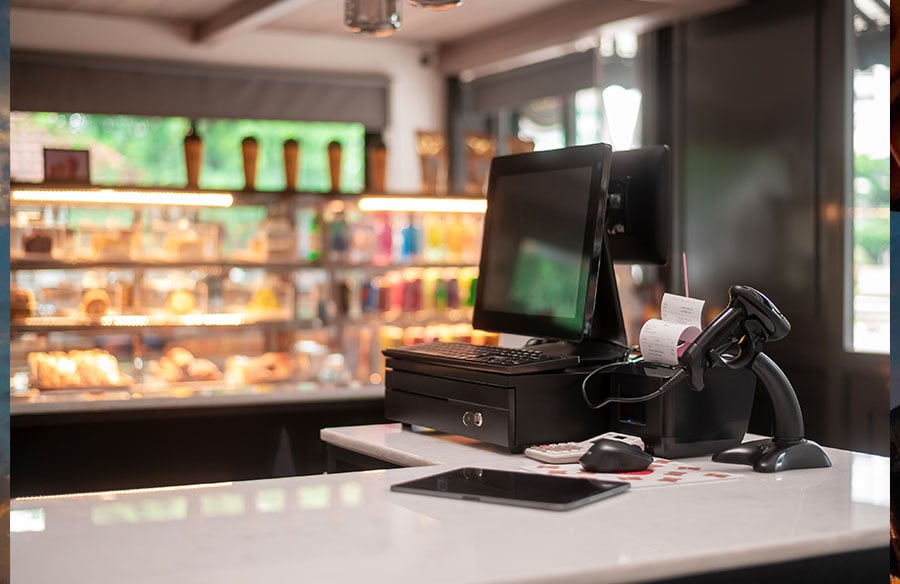
Running a busy restaurant is already chaotic. The best POS systems don’t just process payments; they help hold the whole operation together when ticket times are piling up, and your staff is stretched thin. Hidden transaction fees, and inventory that never quite matches what’s actually on the shelf kill margins faster than bad reviews. After reviewing dozens of platforms against real operational criteria, this guide breaks down five strong options worth your attention.
How the picks were chosen
Each option was researched using publicly available sources: user reviews, feature breakdowns, platform directories, and official company websites. Only platforms with a demonstrated track record in retail technology and food service operations made the cut. Recency and verified real-world use shaped every decision here.
→ See the full research breakdown
- Orders.co – Best restaurant POS for high-volume multi-channel order management
- Clover – Best for multi-location retail and restaurant management
- Soft Touch – Best for multi-industry point-of-sale and payment processing
- GoTab – Best for restaurant and venue point-of-sale and mobile ordering
- Loyverse – Best for small to medium-sized retail, restaurants, and hospitality businesses
Why POS Systems Are Worth the Investment
Picking the wrong POS system costs more than just money. When your checkout line slows because the software can’t keep up, or your inventory count is off by 40 units because two systems aren’t talking to each other, the damage adds up fast.
Hidden transaction fees and complex pricing tiers are two of the biggest traps operators fall into without realizing it until the monthly statement arrives.
A well-matched POS system connects payment processing, ordering channels, inventory management, and other core restaurant operations without requiring a full-time IT person to babysit it. The right setup can support faster transaction processing, better system reliability during peak hours, and tighter control over inventory across every location you run.
That kind of operational control is genuinely hard to match once you have it working.
POS Systems Comparison Table
Note: All data in this table is sourced from review platforms and the official websites of the listed companies.
| Company Name | Established | Headquartered In | Best For |
| Orders.co | 2020 | Los Angeles, CA | High-volume multi-channel order management |
| Clover | 2010 | Sunnyvale, CA | Multi-location retail and restaurant management |
| Soft Touch | 1998 | – | Multi-industry point-of-sale and payment processing |
| GoTab | 2015 | Arlington, VA | Restaurant and venue point-of-sale and mobile ordering |
| Loyverse | 2014 | – | Small to medium-sized retail, restaurants, and hospitality |
1. Orders.co – Best Restaurant POS for High-Volume Multi-Channel Order Management
 Orders.co is a cloud restaurant POS built for operators drowning in channels. When a kitchen is pushing 400 covers while fielding tickets from DoorDash, ezCater, Grubhub, and UberEats plus its own website, phone line, and dining room, the failure point usually isn’t the kitchen — it’s the six devices nobody has time to check. Orders.co collapses that into one queue and one kitchen display. The platform covers:
- Order consolidation across every channel — marketplace, direct, phone, and dine-in in one view rather than one device each
- KDS with Table-Side Dine-In Express— every order type routes to the same kitchen queue, so expo works from a single source
- Real-time menu sync — an 86’d item drops off all connected channels at once, which at volume prevents an hour of refunds
- Provider performance tracking, X and Z end-of-day report, and top seller data — a clear read on which channel is actually profitable after commission
- Flexible delivery dispatch and fast dispute management — route deliveries your own way, and work 3rd-party marketplace disputed orders instead of absorbing them
- A commission-free ordering website, loyalty, and automated marketing — all included, so volume can shift toward the channel the restaurant owns
- A catering module — dedicated ordering flows and dispatch
- What’s Orders.co’s Edge in POS Systems?
Much of this category began as retail software with restaurant logic added later, and the seams show under pressure. Orders.co was built for restaurants from the start. Three real differences:
- One platform replacing several — provider tablets, menu software, and loyalty tools fold into one system, cutting both the subscription stack and the screens staff watch during a rush
- The commission-free ordering website is included, not upsold — on high volume, that retained margin is a real number
- 24/7 live phone support, every day — a person picks up, and when order flow breaks at peak, the gap between that and a ticket queue is measured in lost covers
The Review Roundup:
Operators coming off a tablet stack point to the consolidated queue first. Automation is the second theme, with loyalty and outreach running unattended rather than sitting on the owner’s list. Third is adoption speed — staff who don’t consider themselves technical get up to speed fast, which matters in a high-volume room where turnover means training never stops.
2. Clover – Best for Multi-Location Retail and Restaurant Management
 Where Does Clover Operate and What Is Its Purpose?
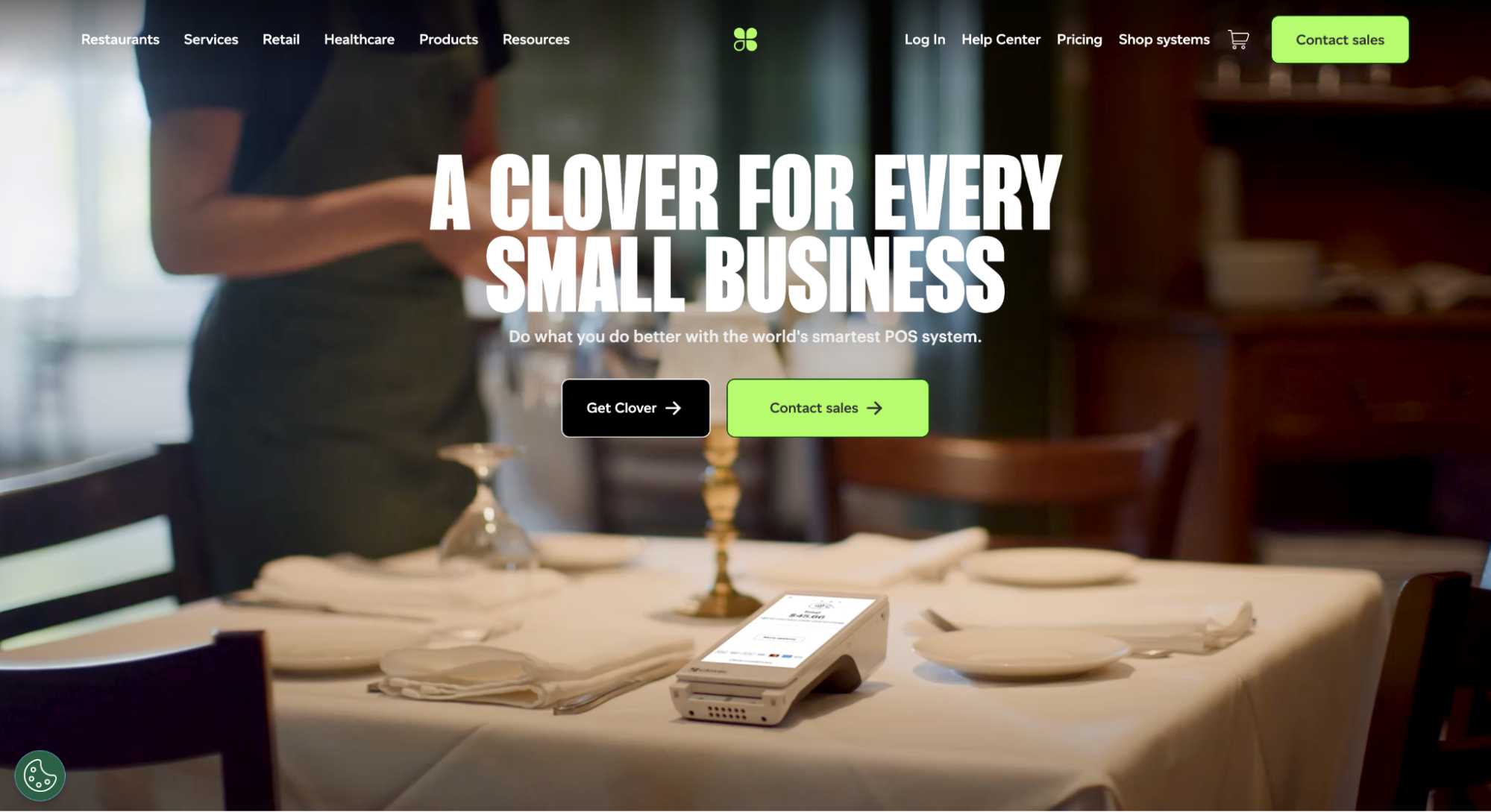
Clover is headquartered in Sunnyvale, California, and has been running since 2010. They operate an Android-powered POS platform that covers payment acceptance, inventory tracking, and staff management across multiple hardware options: Station, Mobile, and Mini. Owned by Fiserv, the world’s largest merchant acquirer, Clover processes over 2 billion transactions annually in the U.S. alone. Their open App Marketplace lets third-party developers plug into the platform, which makes the system adaptable without requiring a full rebuild.
What’s Clover’s Edge in POS Systems?
Clover solves the problem of businesses outgrowing their POS setup by building an ecosystem that scales alongside the operation (think multi-location retail with hundreds of staff, not just a single café). Their Android-based architecture keeps hardware costs manageable compared to proprietary closed systems, which is a real advantage when you’re equipping multiple service stations.
The Review Roundup:
Merchants consistently point to Clover’s reliability and ecosystem depth as standout strengths. The platform won Best POS at the PYMNTS.com Innovator Awards and was recognized as Commerce Platform of the Year by FinTech Breakthrough Awards, giving it added credibility among operators who want a proven name behind their checkout system.
3. Soft Touch – Best for Multi-Industry Point-of-Sale and Payment Processing
 Where Does Soft Touch Operate and What Is Its Purpose?
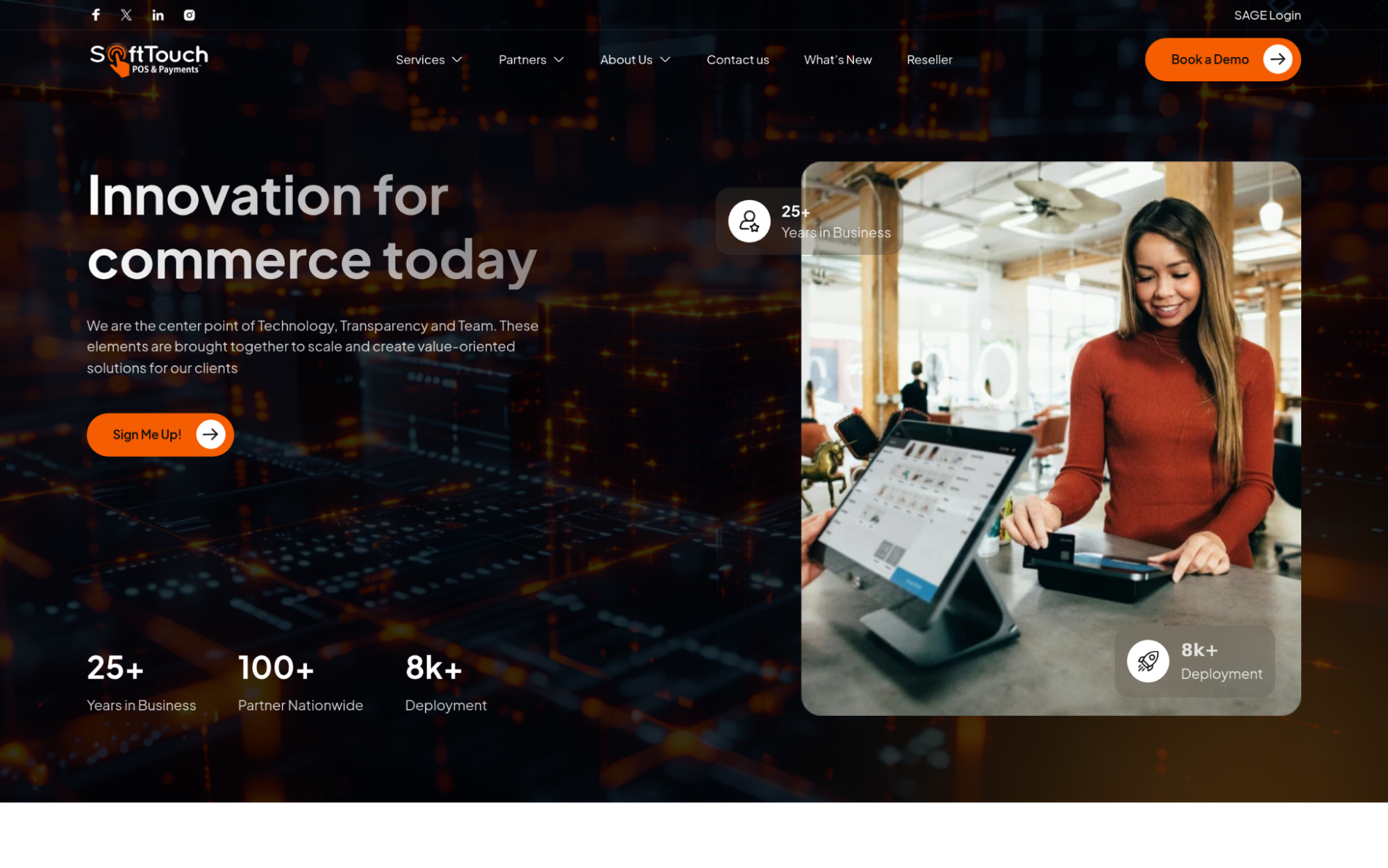
SoftTouch has been in the POS space since 1998, giving them over 25 years of hands-on experience across restaurants, cafes, hotels, retail stores, and more than 30 other industry verticals. With 8,000-plus deployments and 100-plus business partners across the country, they deliver customized setups through an exclusive SAGE reseller network. Their platform covers payment gateways that support multiple payment methods and puts real emphasis on transparent pricing alongside user-friendly design. These matter a lot when you’re training new staff quickly.
What’s Soft Touch’s Edge in POS Systems?
SoftTouch handles the challenge of finding a POS solution that fits an unusual or niche business type without forcing the operator into a one-size-fits-all mold. Their SAGE reseller model means each setup is matched to the specific operation, not just deployed off a shelf and left to the business owner to figure out.
The Review Roundup:
CEOs and business owners across multiple industries show up in SoftTouch’s testimonials praising their service quality and competitive processing rates. The fact that the International Casual Furniture Association officially recommends SoftTouch to its members is the kind of third-party validation that’s hard to fake (and tells you the product works across non-obvious verticals too).
4. GoTab – Best for Restaurant and Venue Point-of-Sale and Mobile Ordering
 Where Does GoTab Operate and What Is Its Purpose?
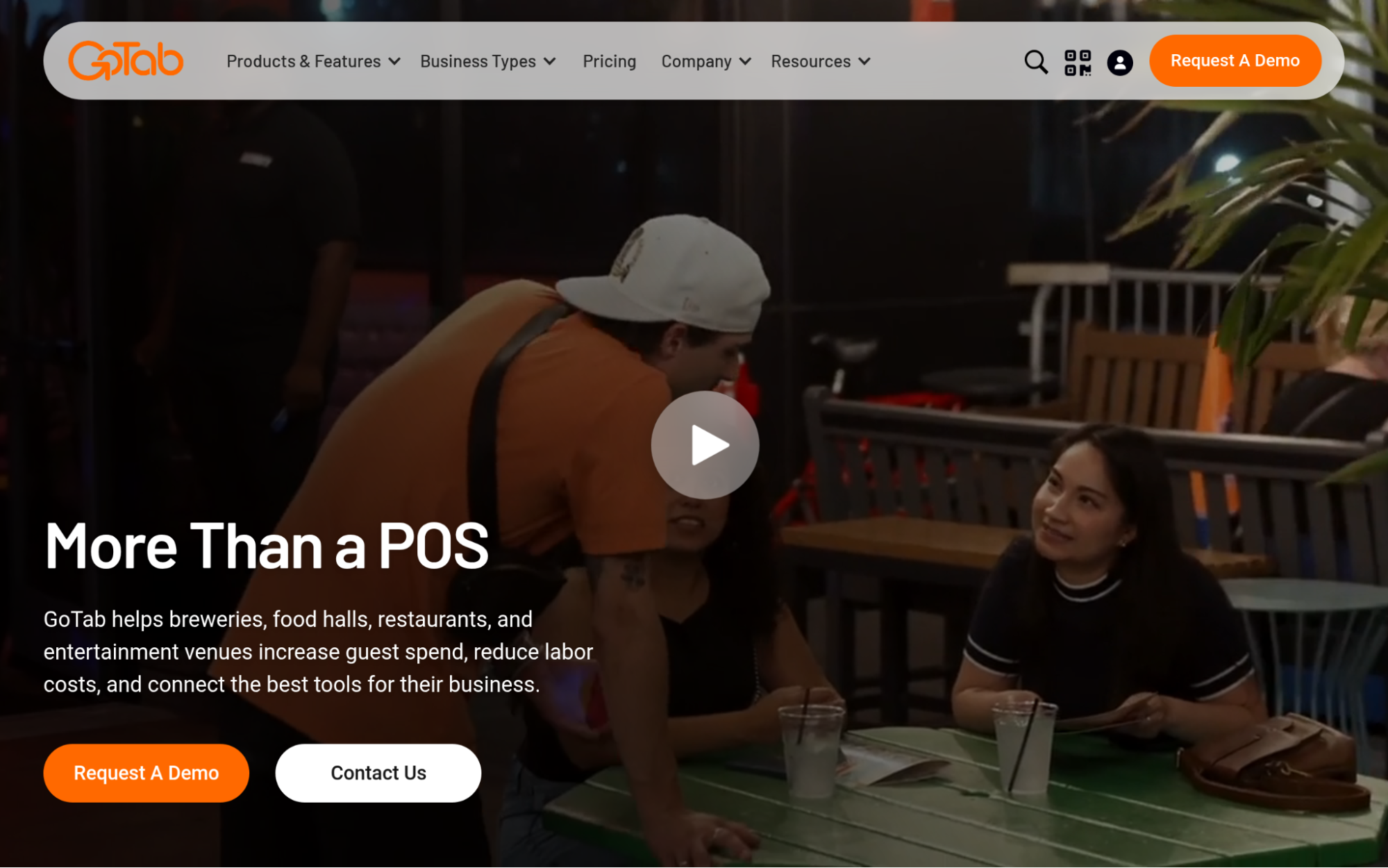
GoTab launched in 2015 and is headquartered in Arlington, Virginia. They serve large and mid-sized restaurants, breweries, bars, hotels, and venues with a Restaurant Commerce Platform that runs on any internet-connected Android, iOS, or Windows device. Guests can order and pay through server tablets, mobile phones, or QR codes without downloading an app. GoTab processes over $250 million in annual transactions across 35 U.S. states and Canada, and their pricing model is transaction-based rather than fixed monthly fees.
What’s GoTab’s Edge in POS Systems?
GoTab addresses the specific pain of high fixed software costs that hit operators hardest during slow seasons or low-volume periods. Their transaction-based pricing means the platform’s costs move with actual revenue rather than working against it. That hardware-agnostic setup also cuts deployment time and eliminates the vendor lock-in that plagues many restaurant tech decisions.
The Review Roundup:
GoTab earned the 2021 Excellence in Customer Service Award from the Business Intelligence Group, and that recognition reflects what operators actually say about the support experience. The QR-based ordering without app downloads gets consistent positive mentions, especially from venues managing large crowds where friction at the ordering stage costs real money.
5. Loyverse – Best for Small to Medium-Sized Retail, Restaurants, and Hospitality Businesses
 Where Does Loyverse Operate and What Is Its Purpose?
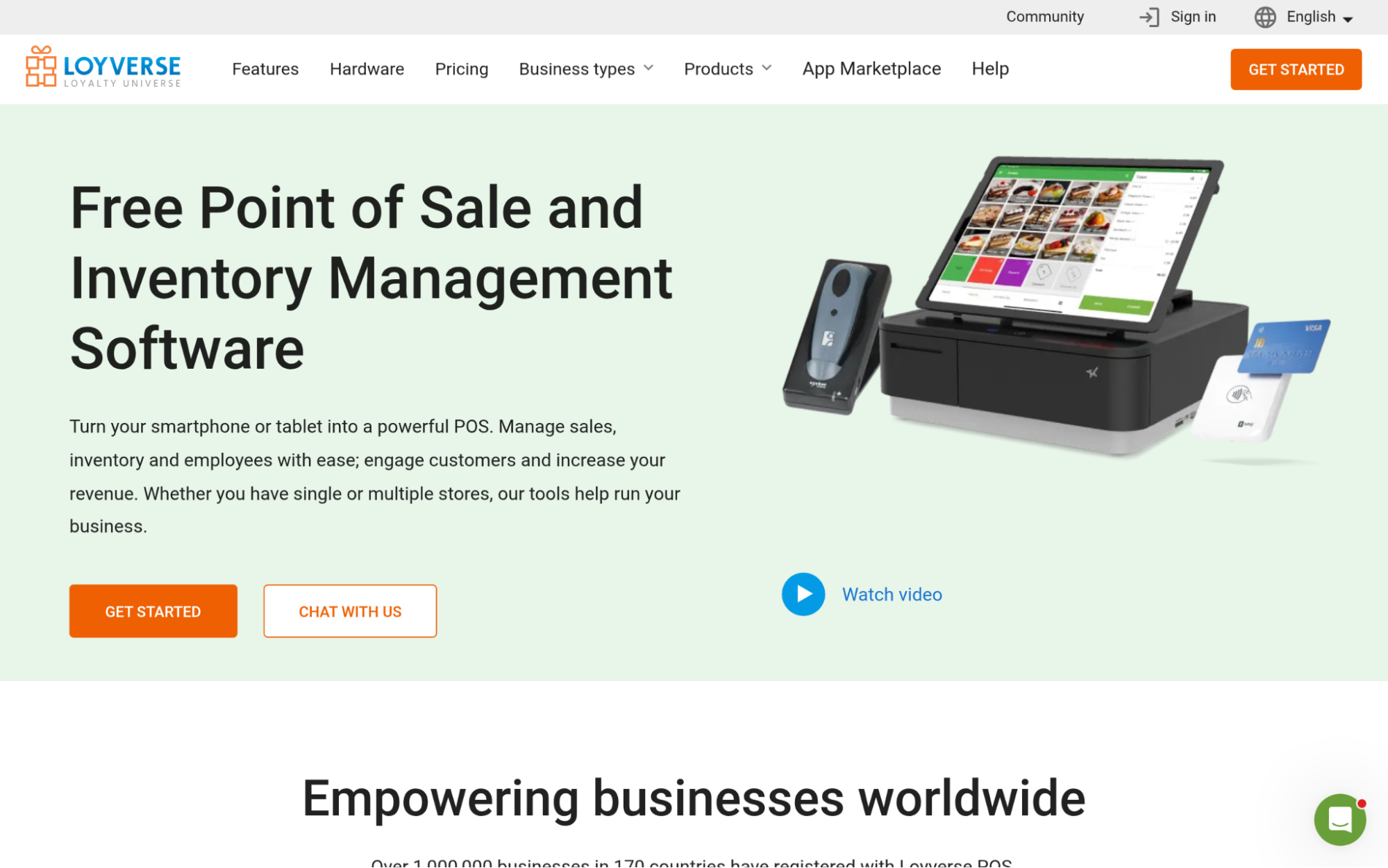
Loyverse launched in 2014 and serves over 1 million registered businesses across 170-plus countries, operating in 25-plus languages. Their mobile-first platform turns smartphones and tablets into full POS systems covering sales processing, inventory management, employee management, rewards programs, and multi-store oversight. The base app is free (not cheap on features though, just free on cost), with optional paid Back Office add-ons. Payment processor integrations span 30-plus countries, making the platform genuinely flexible for businesses operating across borders.
What’s Loyverse’s Edge in POS Systems?
Loyverse solves the access problem for smaller operators who need real POS functionality without the enterprise price tag that blocks most of their options. Their built-in loyalty program and offline functionality mean the system keeps working during connectivity issues, which is a practical advantage that rarely gets enough attention in POS buying decisions.
The Review Roundup:
Loyverse holds strong ratings across Capterra, G2, Trustpilot, and Crozdesk, and the recognition from GetApp’s Best Functionality and Features Award 2023 alongside Crozdesk’s Quality Choice Award 2024 lines up with what real users say. The free base app paired with solid loyalty features makes this one of the better starting points for small operators who want to test before they commit.
Selection Framework: How Each Pick Was Evaluated
Building this list started with a wide net and then narrowed down through a deliberate process that prioritized real-world evidence over marketing language.
Baseline Information Compilation
The research began by pulling together a broad longlist of POS platforms from software directories, industry-specific review sites, and vendor case study libraries. Each platform’s publicly available documentation was reviewed, covering feature sets, supported hardware, pricing structures, and the verticals they serve. Platforms that appeared consistently across multiple independent sources were flagged for deeper evaluation, while obscure or single-mention entries were set aside early.
Filtering Candidates Down to Finalists
From the initial longlist, platforms with thin or unverifiable public records were removed. Review patterns were analyzed across multiple platforms rather than relying on ratings from a single source. Entries with reviews that clustered suspiciously around generic praise without operational detail were deprioritized. Only platforms that showed consistent, specific feedback from actual operators, particularly around high-volume restaurant and retail use cases, moved forward to the next stage.
Claims Undergo Fact-Checking Review
Each company’s website claims were cross-referenced against independent user reviews and third-party assessments. When a company’s site described a specific capability, that capability was checked against what actual users reported experiencing. Discrepancies between marketing language and operator feedback were noted and factored into how prominently each platform appeared in the final list. Platforms that showed close alignment between what they claim and what users describe earned higher confidence.
Industry Standing Check
Recognition signals were gathered for each finalist: industry awards, mentions in trade publications, and analyst references. Award wins from established organizations like PYMNTS.com, the Business Intelligence Group, and GetApp were treated as meaningful data points (not guarantees, but signals). Platforms with no external recognition and no third-party coverage were viewed with more caution than those with documented industry standing, even when their review scores were competitive.
Real-World POS Systems Evidence
The final check focused on concrete evidence of real deployment. This included reviewing dedicated service pages for specific use cases, verified customer case studies with measurable outcomes, and user reviews that described operational scenarios rather than general satisfaction. Platforms that could demonstrate actual high-volume restaurant or retail deployments, with specifics around transaction volumes, staff adoption, or system reliability, carried more weight than those with only general hospitality claims.
Choosing the Right POS Systems: A Quick Guide
Picking a POS system is a longer-term decision than it seems at first. The options vary enough that what works well for a single-location café won’t necessarily scale for a brewery with multiple service zones. Here are the factors worth examining before you commit.
- Industry/Domain Experience: Look for platforms built with food service or retail operations in mind, not just general-purpose payment tools that happen to include a menu builder. Restaurant-specific workflows require order routing, modifier handling, and table management that generic systems often tack on as an afterthought.
- Features and Service Options: Assess what’s included in the base plan versus what requires an add-on. Rewards programs, kitchen display system compatibility, and offline functionality are often sold separately but are genuinely necessary for high-volume operations.
- Pricing Structure: Fixed monthly fees vs. transaction-based pricing affects operators very differently depending on volume. Factor in payment processing fees as a percentage of revenue, not just the software subscription cost.
- Results Measurement: The system should give you clear reporting on transaction processing speed, inventory shrinkage rate, and average transaction value, not just a revenue total when the day is done.
- Industry Knowledge and Compliance: Confirm that the platform handles PCI DSS compliance, supports your preferred payment methods including contactless and mobile wallets, and integrates cleanly with your existing accounting or eCommerce setup.
Wrapping Up
The right POS system saves more than time; it directly protects margin and keeps operations running when the pressure is on. From Orders.co’s AI-driven restaurant engagement to GoTab’s flexible transaction-based model to Loyverse’s accessible free tier, each platform here serves a different operator profile. The space is maturing fast, with better integrations, smarter reporting, and more flexible pricing becoming standard expectations rather than premium features. Match the platform to the actual operation, not just the feature list.