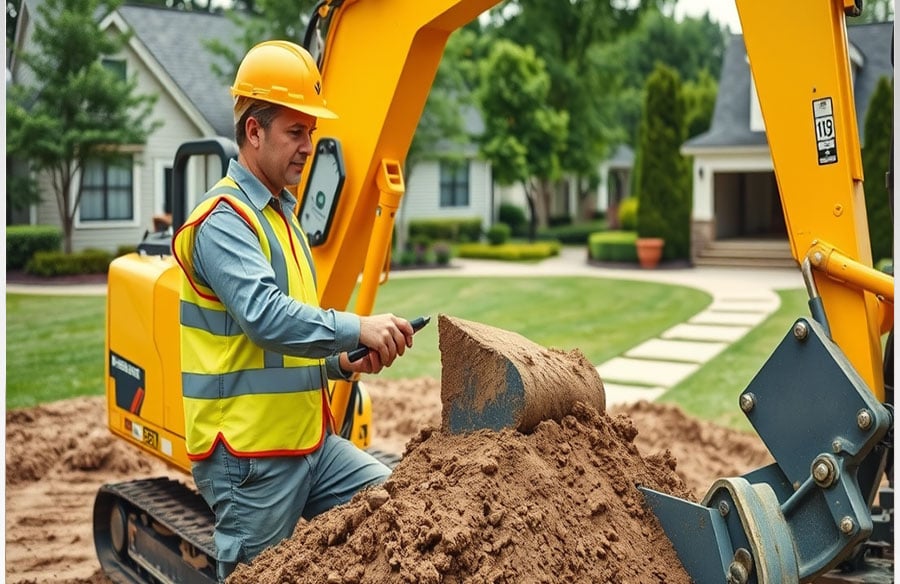
Starting a new build on your property or preparing the land for a commercial construction site is definitely a big step forward. However, the success of your entire project will heavily depend on what is happening before your foundation is even poured. Preparing the land by removing obstacles and grading the surface to perfection is absolutely crucial.
Learning how to select an excavating contractor for your residential or commercial project can either provide you with a great construction experience or make you spend thousands on unexpected repairs. An experienced excavating contractor gives you the technical precision and equipment expertise that is needed for the safe and accurate completion of the job.
Quick Summary: What Matters Most When Hiring
When choosing the ideal partner, one should look beyond superficial quotations. The property owners need to consider the safety record, insurance, precision of equipment, clear pricing, and experience in the region. Companies such as Valley View Excavating LLC integrate the use of the latest GPS-controlled equipment together with compliance with OSHA safety guidelines to make sure that your site is prepped safely, timely, and on budget.
1. Proper Licensing, Insurance, and Risk Mitigation
Any excavation entails risks that include utility line strikes, unstable soil, and mechanical risks. Never hire an excavation contractor who fails to provide evidence of proper licensing and complete insurance.
Your contractor must maintain two vital forms of coverage:
- General Liability Insurance: This insurance covers any accidental damages that may occur to structures and utilities or to other lands.
- Workers’ Compensation: This protects workers from personal injuries and prevents such liabilities from being transferred to the owner.
A licensed company provides verified proof of coverage before setting foot on your site. Property owners can easily verify contractor licensing and insurance coverage directly through onboarding documentation to ensure total peace of mind throughout the project.
2. Fleet Quality and Modern Precision Equipment
Excavation requires more than brute force; it requires accurate spatial control. Using old and improperly maintained machinery means frequent mechanical failures, delayed project deadlines, and improper grading which can result in significant drainage problems.
You should hire a contractor using modern machines provided with cutting-edge technologies like GPS-guided grading and laser-leveling systems. With precision earth moving, you are assured that your foundation footings and trenching depth will meet precise architectural requirements, down to a millimeter.
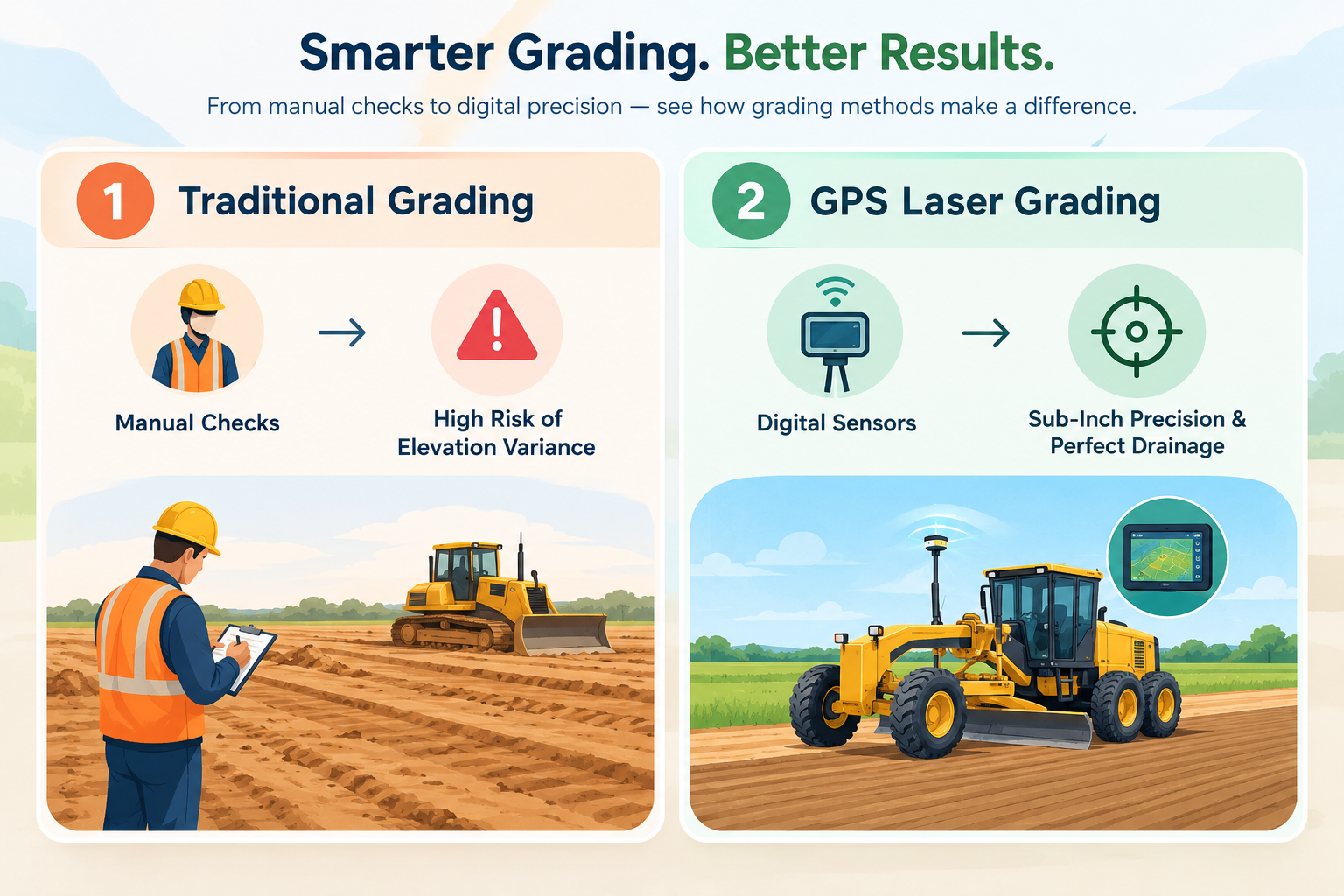 Maintaining a modern, versatile fleet of excavators, bulldozers, skid steers, and compaction rollers ensures that routine inspections eliminate unexpected job-site downtime and deliver precise results on schedule.
3. Comprehensive Safety Protocols and Underground Utility Mapping
The most evident sign of a good land clearing and excavation company is its commitment to following strict safety protocols. Striking underground electric lines, water mains, and gas conduits is extremely expensive and can cause serious damage to your project’s schedule and safety.
A professional contractor would not begin the work without ensuring the local utilities are marked (by calling 811) and performing a detailed soil evaluation to avoid any trench collapses.
Safety Priority Checklist:
[✓] Call 811 for Utility Line Locating
[✓] Conduct Soil & Hydrology Assessment
[✓] Implement OSHA Trench Layback & Shoring
[✓] Establish Site Perimeter Safety Controls
Strict adherence to OSHA safety protocols and utility locating procedures will guarantee that all underground utility infrastructure is marked before starting to use any heavy machinery on the construction site. Valley View Excavating LLC incorporates these safety checks into each and every project of theirs.
4. Transparent Pricing Models and Detailed Estimates
Ambiguous quotes frequently conceal hidden costs that may appear halfway through a project. Be wary of projects that quote vague lump sums of work without outlining the specifics of the project scope.
A good contractor will provide a detailed, itemized proposal including:
- Site clearing and tree/brush removal fees
- Soil excavation cubic yardage rates
- Rock excavation contingencies (if hard bedrock is encountered)
- Backfilling, soil compaction, and grading specs
- Debris haul-away and disposal fees
Transparent cost structure and clear estimates with no hidden costs guarantee that you never encounter surprises when receiving your bill at the end of the project. If there are site-specific risks such as hard bedrock or high-water table, contingency pricing should always be included upfront.
5. Proven Track Record and Regional Soil Expertise
The composition of soil differs greatly depending on the region. Grading methods that would work well in the sandy loam soil do not work in heavy clay soil or rocky soil. Choosing a contractor with long-standing regional experience guarantees that they know all about the regional behavior of water tables, soil compaction rates, and regional permit requirements.
Bringing years of localized experience makes a big difference in any project. If you require residential excavation and land clearing services or commercial site preparations, Valley View Excavating LLC provides the local experience that can help with complex soil mechanics and local codes.
6. Clear Communication and Timeline Accountability
Any delay in excavation will automatically impact every other contractor you hire on your project, including your foundation crew, your framing contractors, and your plumbers. Consider finding a team which offers you a clear project timeline, appoints a site supervisor, and offers good communication.
Treating your timeline as a binding commitment is critical. You should receive a single point of contact who provides regular progress updates from initial clearing to final site sign-off.
Site Preparation Checklist for Excavation Services
To make sure your property can support heavy machinery use, follow this site preparation checklist for excavation services:
- Step 1: Property Line & Boundary Confirmation – Make sure to confirm property lines through certified land surveys to avoid any issues with boundaries.
- Step 2: Utility Line Marking – Ensure 811 utility flags are active and clearly visible across the entire work zone.
- Step 3: Permit Acquisition – Secure all necessary city or county earthmoving, environmental, and grading permits.
- Step 4: Tree & Vegetation Clearance – Identify specific trees and structures to be removed versus those designated for protection.
- Step 5: Erosion Control Arrangement – Set up the silt fencing or sediment barriers to abide by runoff laws of the environment.
Frequently Asked Questions (FAQs)
What questions to ask an excavation contractor before hiring?
Ask these critical questions before signing a contract:
- Are you licensed, bonded, and insured in this locality?
- Are utility location, clean-up, and final grading included in your estimate?
- Do you have any contingency plan in case you encounter bedrock or a water table?
- Would you be handling all the permits needed for the project?
Where can I find a licensed and insured excavation contractor near me?
Hire experienced contractors that can prove that they are insured, licensed, have estimates, and are well referenced locally. With the help of Valley View Excavating LLC, you will enjoy top-notch excavation services in your local area.
What are the factors influencing the total cost of excavation?
There are four major factors influencing the total cost of excavation. They include total earth volume (cubic yards of earth moved), type of earth (rocky or soft), accessibility of the site, and haul distance.
Partner with Proven Excavation Professionals Today
Your project deserves a firm footing handled by experts who value safety, accuracy, and customer service. Do not trust your earth moving project to fate; go with a tested team that delivers top results.