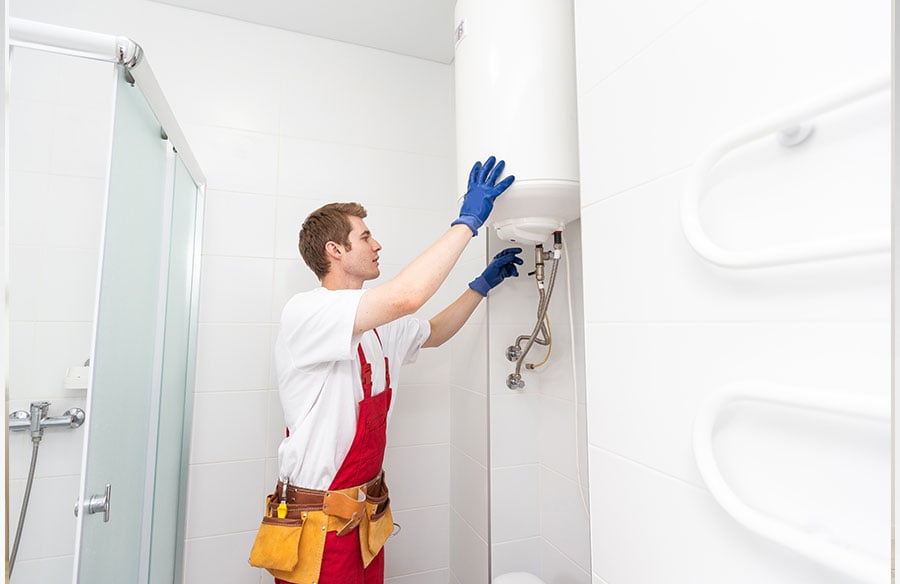
Your home’s plumbing system and water heater work tirelessly behind the scenes every single day. They carry, heat, and deliver water for your morning showers, laundry cycles, and kitchen cooking. Yet, most homeowners rarely pay attention to what is actually flowing through those hidden pipes until a sudden disaster strikes—like a leaking tank, a burst pipe, or a complete unit failure. In many areas, especially across regions with heavy mineral content, the silent culprit behind early plumbing destruction is untreated water. If you want to avoid expensive emergency repairs, investing in a reliable whole-house water filtration system is one of the smartest steps you can take from day one.
Beyond the functional aspects, the quality of water directly impacts the longevity and aesthetic integrity of interior finishes and fixtures. Designers often specify materials and systems that can withstand environmental stressors, and water quality is a critical, often overlooked, factor in maintaining the pristine condition of a designed space.
Understanding how your water quality impacts your home’s infrastructure is essential for saving thousands of dollars down the road. Let’s break down how hard water and chemicals damage your home and how you can stop the destruction before it starts.
The Hidden Threat: Mineral Buildup and Scaling
Water is naturally a solvent that picks up minerals like calcium and magnesium as it travels underground through rocks and soil. When this mineral-rich hard water moves through your indoor plumbing and is heated up inside your heating system, those minerals separate and bake onto hot surfaces.
Over time, this chalky, hard buildup—known as limescale—grows thicker and thicker inside your plumbing lines. It slowly chokes the internal diameter of your copper or PEX pipes, severely restricts water pressure, and forces your entire home infrastructure to work under extreme, unnecessary pressure.
How Hard Water Silently Destroys Your Water Heater
Your water heater bears the absolute brunt of mineral-heavy water. Whether you have a traditional tank heater sitting in your basement or a sleek modern tankless unit on the wall, scale acts as an intense thermal insulator.
When a thick layer of mineral scale coats the heating elements or the bottom of the tank, the burner or electric element has to burn much hotter and longer just to warm up the same amount of water. This constant overheating causes internal components to crack, burn out, or rust out years before their time. What should easily be a 15-to-20-year appliance often sputters out in less than a decade simply because it is suffocating in mineral deposits.
Corrosion and Leaks in Aging Pipes
It isn’t just calcium and magnesium causing chaos inside your walls. Municipal tap water often contains residual chlorine, and older plumbing lines can leach trace metals or react negatively to unbalanced pH levels in the supply.
When these corrosive elements travel through your home day after day, they slowly eat away at the interior walls of your pipes. Tiny pinhole leaks begin to form behind drywall, under floors, or inside ceilings. Most families don’t even realize it’s happening until dark mold patches appear or a major structural leak floods the room.
Such hidden damage poses significant challenges for architects and interior designers, compromising not only the structural integrity of a building but also the visual appeal of carefully chosen materials. The emergence of mold or water stains can quickly degrade a meticulously designed space, highlighting the importance of robust building systems and preventive measures in preserving design intent.
Early Warning Signs Your Plumbing is Under Attack
You don’t have to wait for a pipe to burst or your hot water to run ice cold to know your system is struggling. Keep a close eye out for these everyday warning signs:
- Discolored, rusty, or strange metallic-tasting water coming straight out of your kitchen or bathroom taps.
- A noticeable drop in water pressure across your showers, sink faucets, and washing machine connections.
- Loud rumbling, popping, or banging noises coming from your heating tank as it fires up to heat water.
- Frequent appliance breakdowns or crusty white mineral buildup clogging your showerheads and faucet aerators.
The Ultimate Defense: Treating Water at the Source
Fixing individual leaks or flushing out a sediment-filled unit once a year only treats the temporary symptoms, not the actual root cause of the damage. To truly safeguard your home against premature breakdowns, you have to stop the harsh minerals and chemicals before they ever enter your main plumbing network.
For homeowners looking for an all-in-one upgrade that halts scale formation and protects every single pipe in the house, exploring trusted solutions like these systems provides the deep-clean conditioning your infrastructure desperately needs. By stopping scale formation and chemical wear right at the main entry point, you protect its energy efficiency, extend the life of your entire pipe network, and enjoy smooth, reliable water pressure throughout your home.
Practical Steps to Keep Your System Running Smoothly
Protecting your home doesn’t require a degree in engineering. You can keep your plumbing and heating system in top shape by following a few simple habits:
- Test Your Water: Get a simple water hardness test kit to see how many dissolved minerals are flowing into your home.
- Flush Your Tank: If you use a traditional heating tank, flush out accumulated sediment once a year to keep heating elements clear.
- Upgrade Your Defense: Install a whole-home conditioning system so that every shower, tap, and appliance receives soft, filtered water around the clock.
Take Action Before It’s Too Late
Heating system blowouts never happen on a convenient schedule, and replacing a full home-pipe system or a heavy-duty heating unit can cost a small fortune. Taking a proactive approach by upgrading your home’s water defense ensures that your infrastructure stays clean, efficient, and protected for the long haul.
Aasaan aur simple alfaz mein, agar aap apne ghar ki pipes aur water heater ko mehfooz rakhna chahtay hain, toh source par hi water treatment lagana sabse behtareen aur aik dafa ka investment hai jo aapko saalon tak baray kharchon se bacha leta hai.