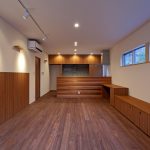
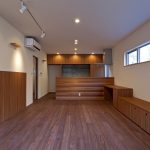
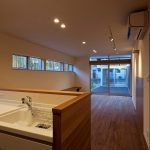
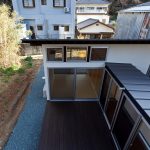
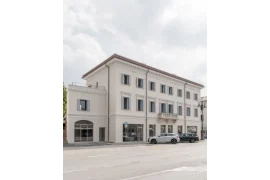
In this area, the sea, villages, and mountains where mandarin oranges are cultivated adjoin to form a single community. The alley-like roads that connect them are like human arteries.
Studio Name: Y. Architectural Design
Area:376㎡
Year: 2016
Location: Ikata Town Ehime Prefecture Japan
Photography Credits: manabu aihara
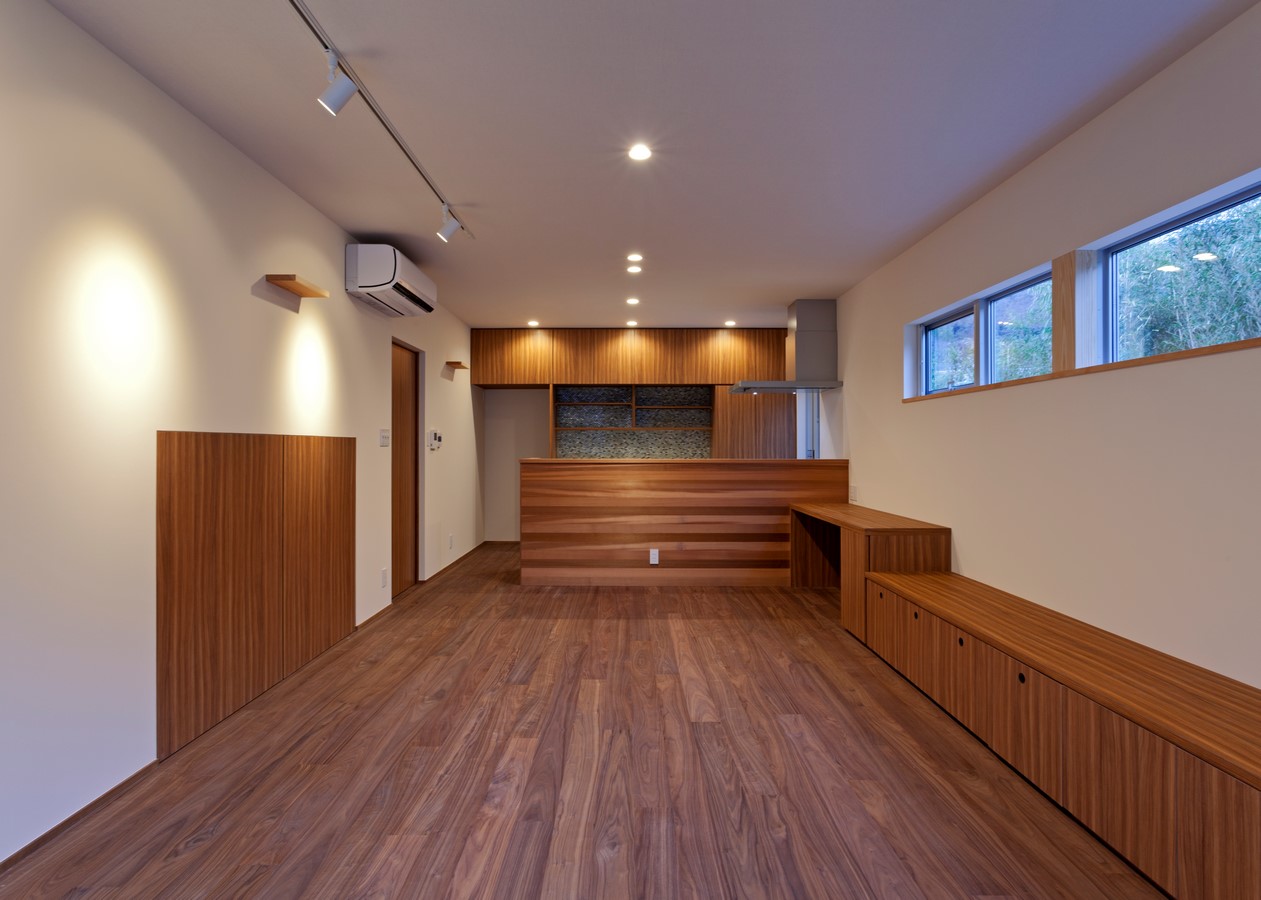
From each house facing the alley, you can feel the signs of each family, and it is a village peculiar to a port town. This house consciously emphasizes the key word “sign”, which is the characteristic of the area.
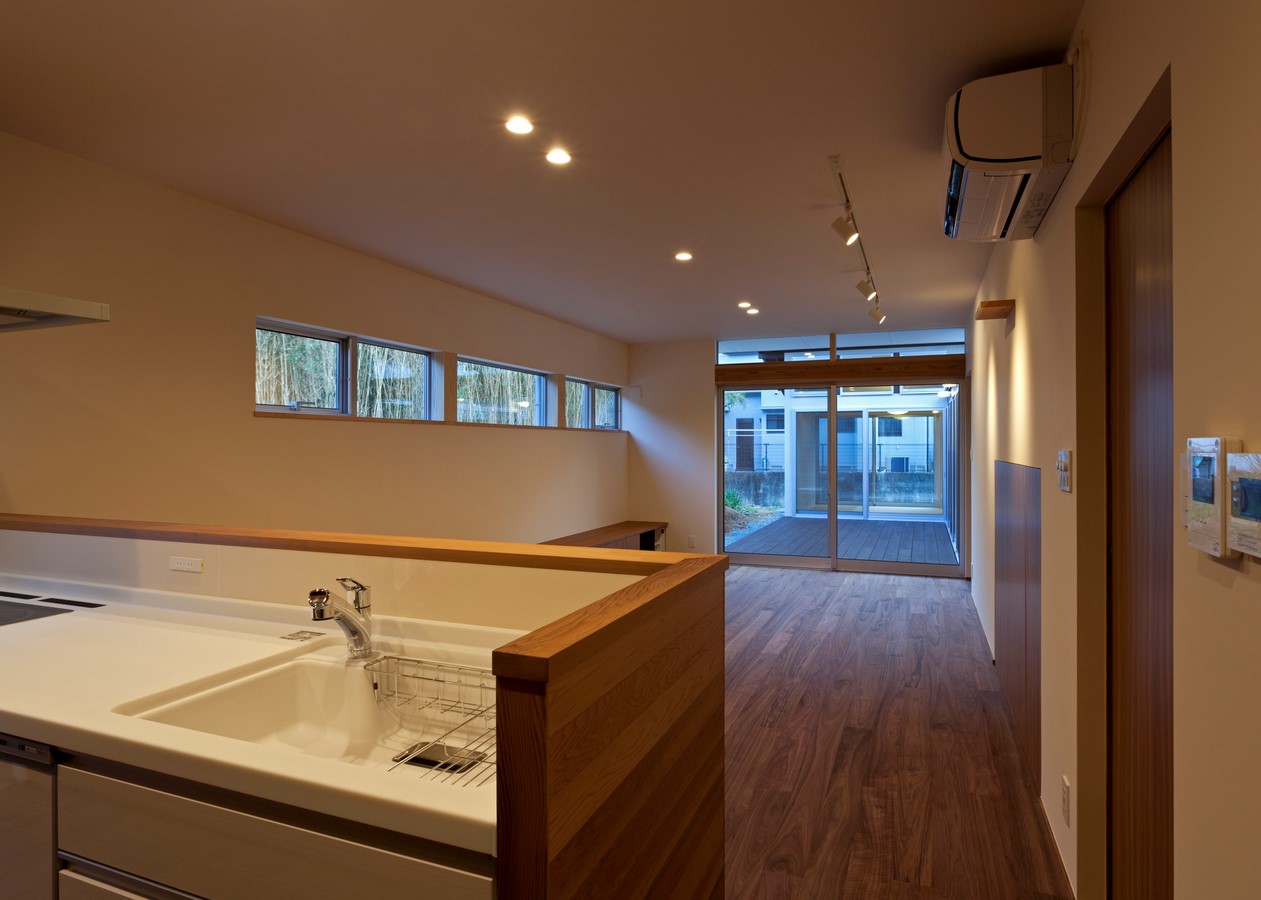
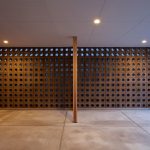
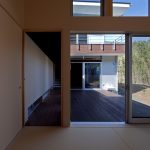
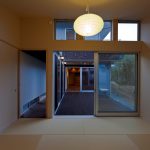
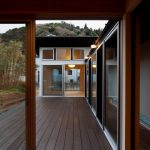
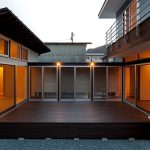
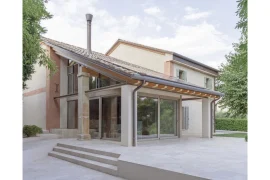
The shape and mental characteristics of the region are incorporated into the housing plan. It is the purpose of passing on the characteristics of the region to the next generation and participating in a new regional culture. A long alleyway approach. The living room and Japanese-style room are arranged across the deck terrace.
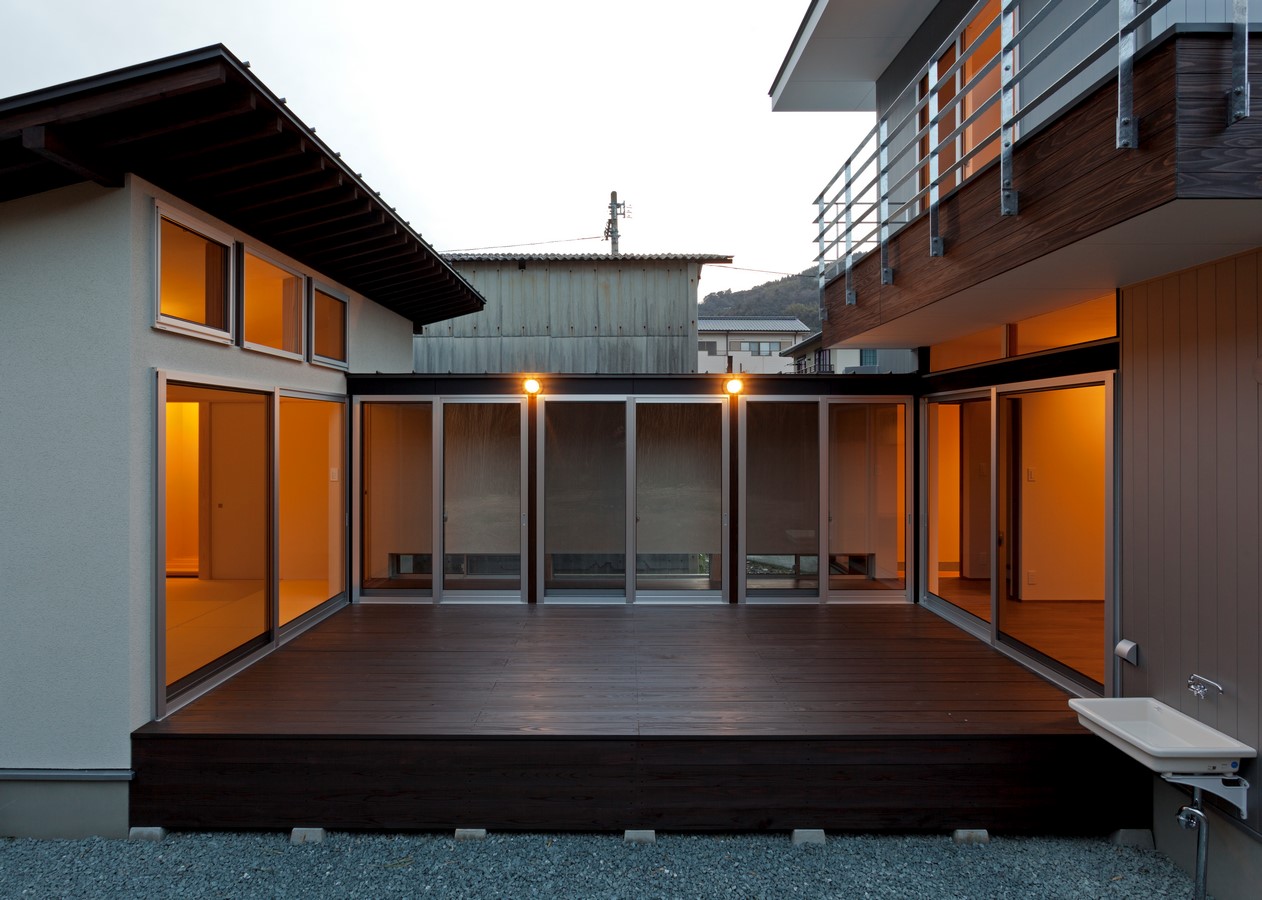
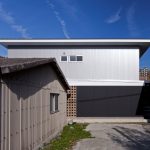
A Japanese-style room located away from the main building. It is also the sacredness of the Japanese-style room and the inheritance of Japanese culture. The outer wall is made of galvalume steel plate to protect it from the sea breeze, giving it an inorganic impression. However, the perforated block has a soft expression and gently welcomes visitors.