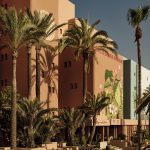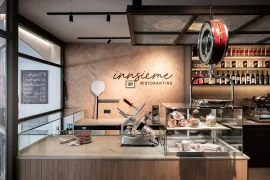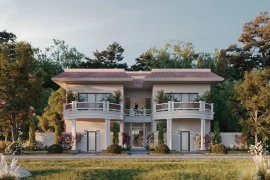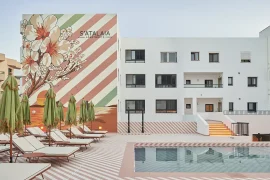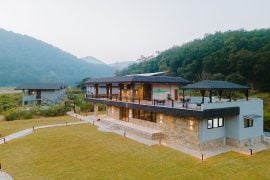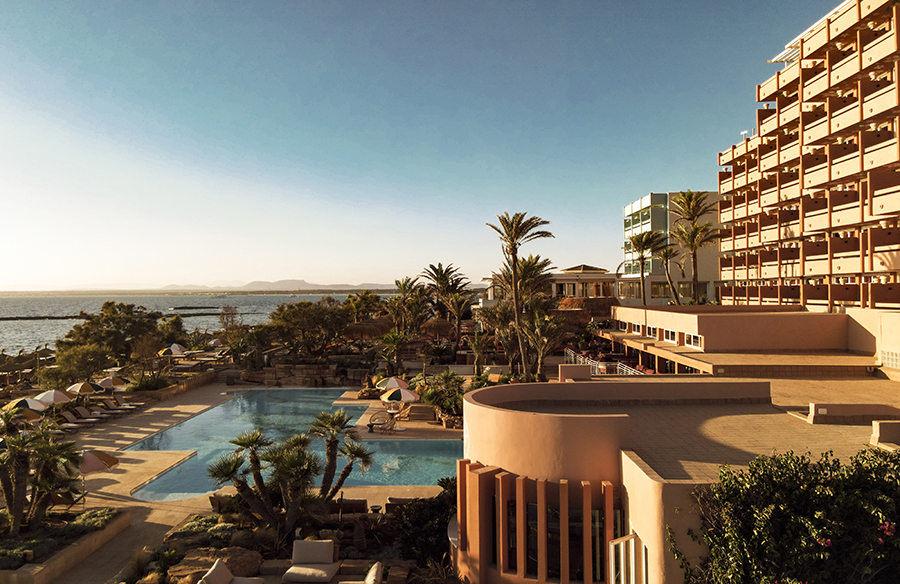
The Bikini Island and Mountain Hotels have a brand new, colourful addition to their Mallorcan family. Located in Colonia de Sant Jordi, the 1960s building – which also previously functioned as a hotel – was revived in full-on flower-power glory.
Project Name: Bikini Island & Mountain Hotel Es Trenc
Studio Name: Dreimeta GmbH & Co. KG
Location: Spain
Status: Built
Image Credits: Steve Herud
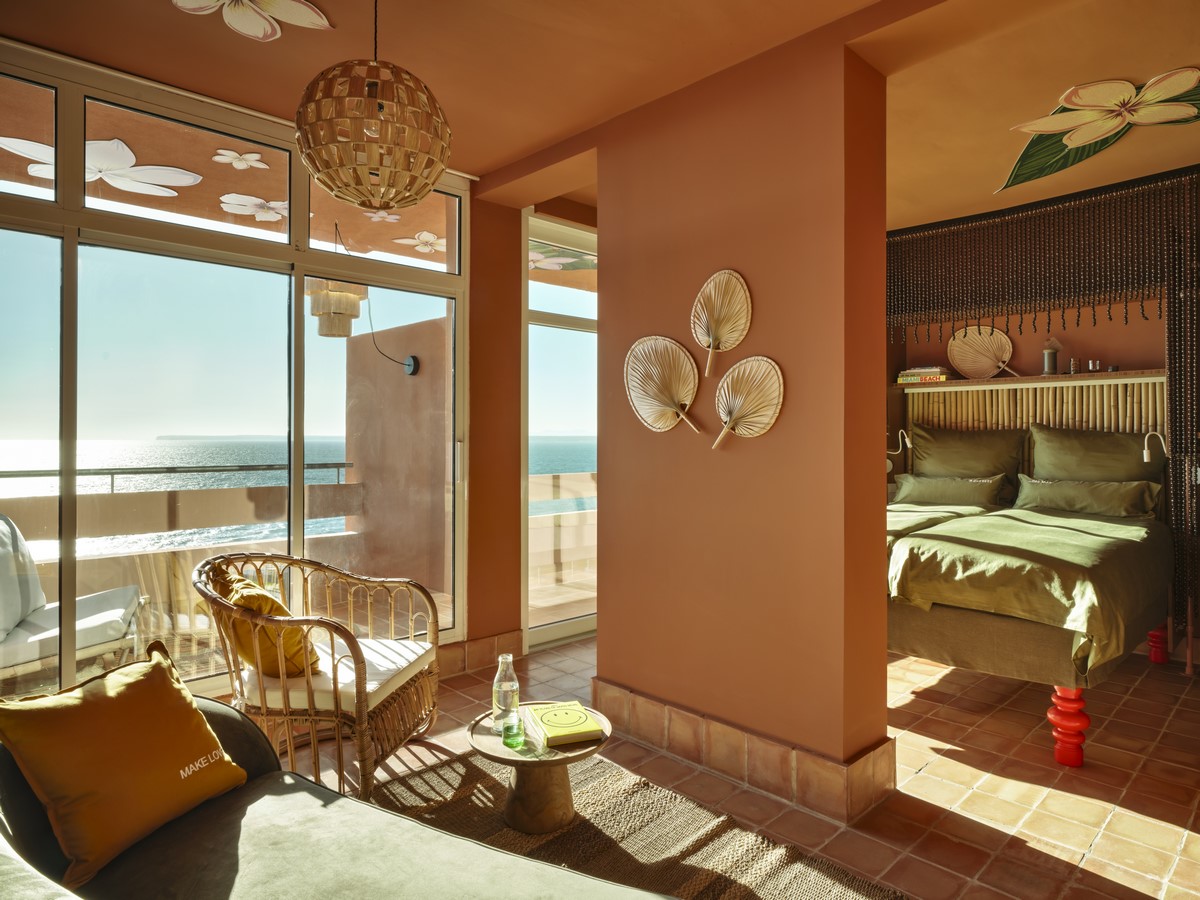
True to the Bikini brand’s core values and the 60’s-era origins of the building, the design of the hotel focuses on creativity, individuality and the free-spirited lifestyle of hippies, while the craftsmanship of the design elements and functionality of the space ensure guest comfort and an overall level of understated luxury.
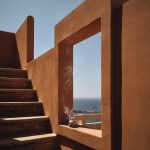
Featuring natural materials, bespoke furniture, countless artistic details and a breathtaking view of the ocean, the design of the hotel allows guests to fully immerse themselves in this beautiful coastal retreat – a visually stunning setting that captivates the senses and guarantees total relaxation.

The design brief for the hotel renovation was to restructure the existing layout, redefine the space programming and improve overall functionality, while also transforming them visually to embody the Bikini concept and values.
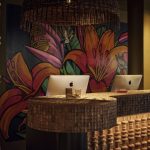
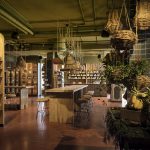
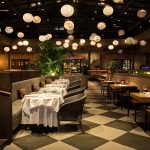
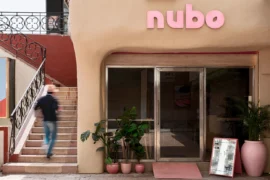
The main challenge was working with the parameters of the pre-existing layout and finding solutions that were minimally invasive, due to time constraints. The starting point was an analysis of the various spaces and levels in the existing layout, evaluating where key functions should be located and defining the new circulation routes for both guests and hotel staff. This included modifying the floor height in the lobby and restaurant areas, creating new wall openings and new partition walls to reshape certain spaces. These interventions created the spaces for the new hotel shop and grab-n-go store, a bar and pizza counter, a restructured restaurant area, an entirely new spa, a bike shop, and a new hotel reception.
The materials and finishes throughout the hotel were completely transformed. By creating a base of dark, earthy tones combined with bold accents, warm wood tones and vibrant, patterned textiles, the ambience of the public spaces and guest rooms were completely transformed. Vintage pieces, artistic details and lush greenery round off the design, while the craftsmanship of the bespoke furniture embodies the understated luxury of the hotel.
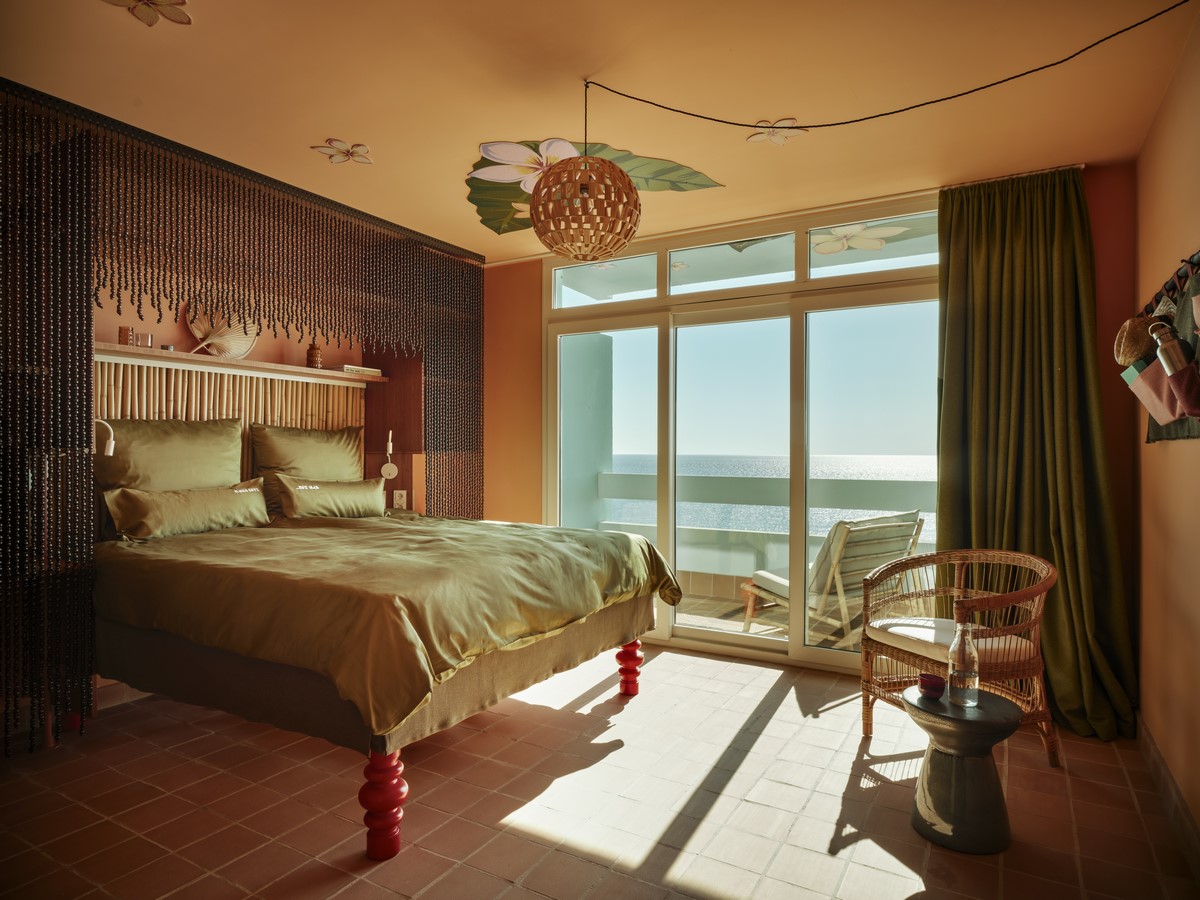
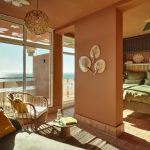
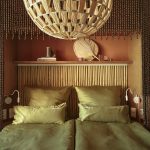
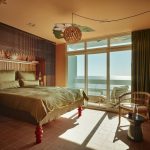
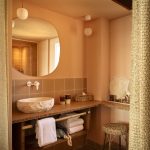
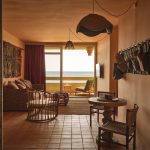
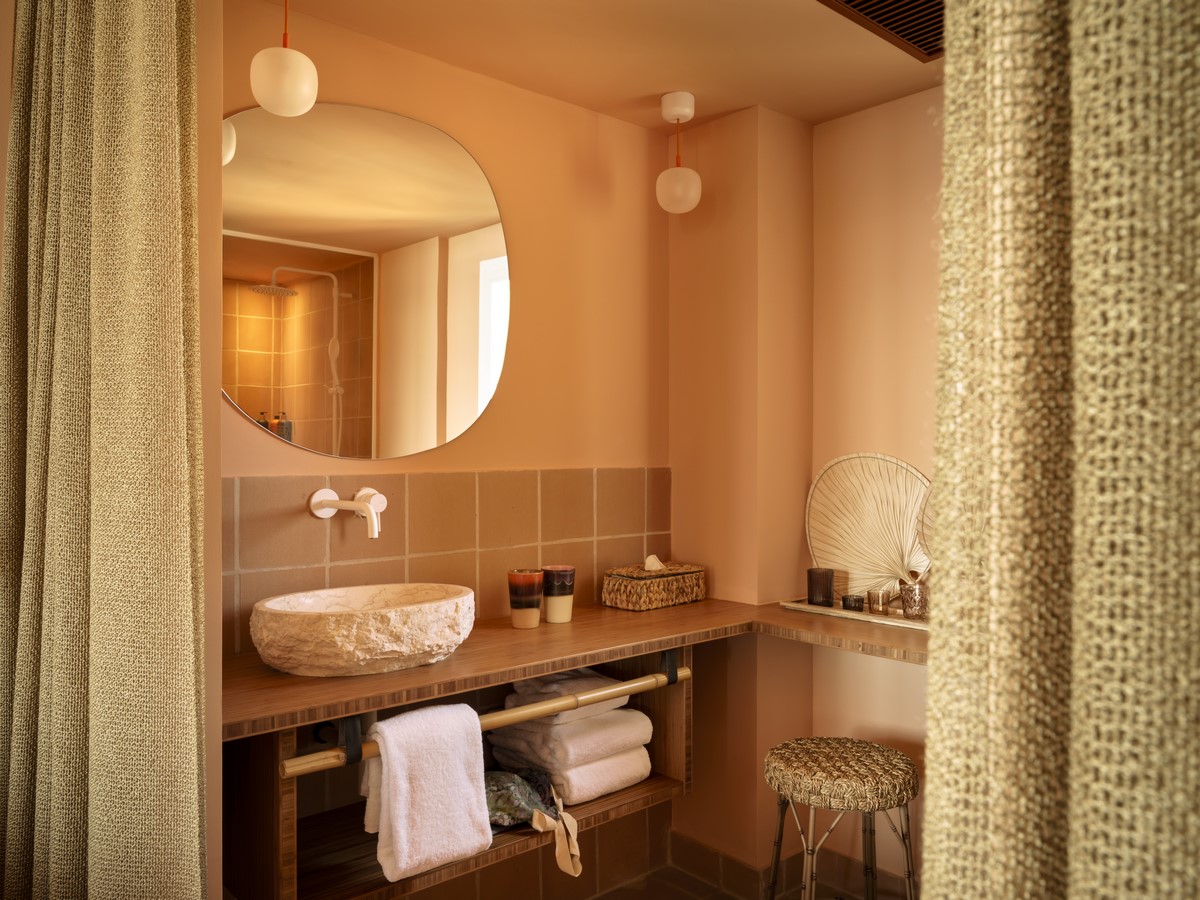
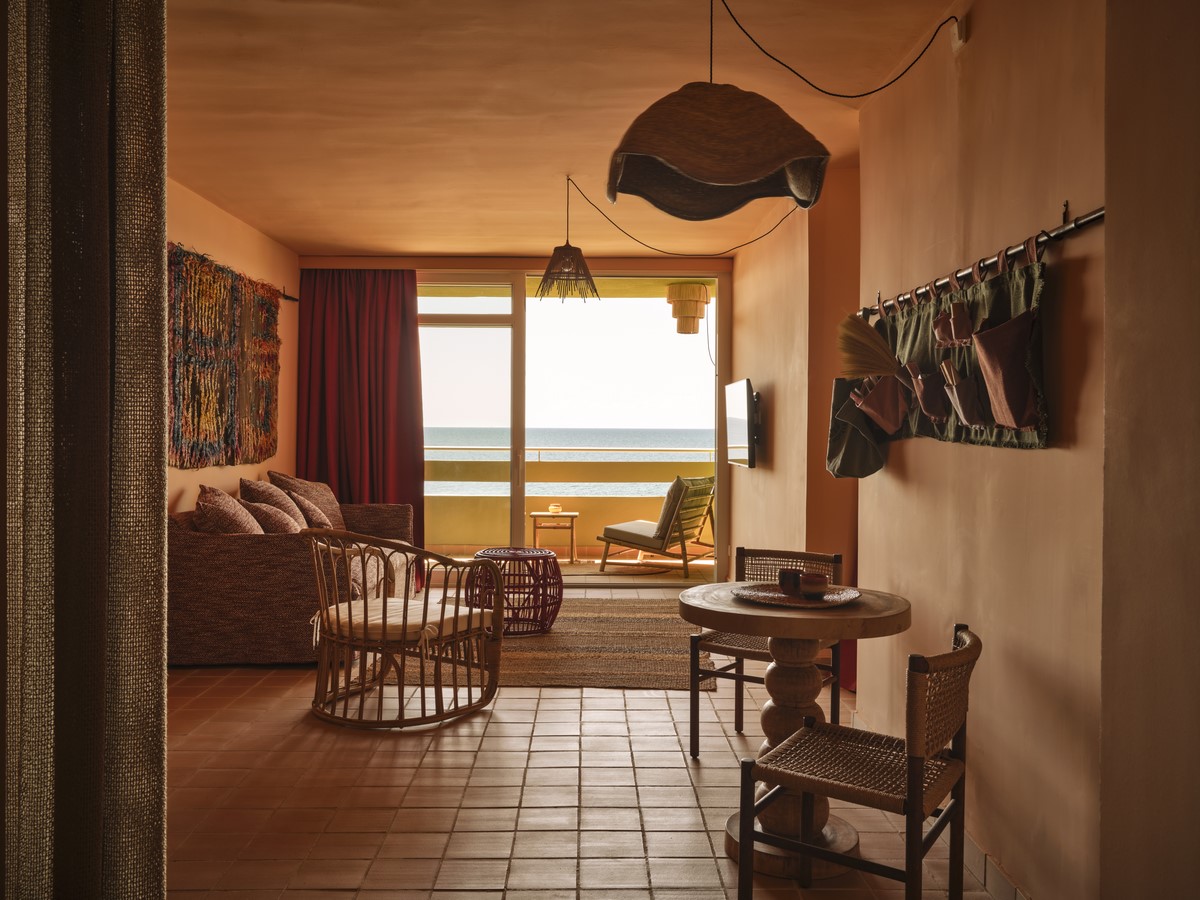
Similarly, the guest rooms had to be updated to meet the requirements for guest comfort and functionality, while also implementing the ambitious design goals. The primary change was the modification of the existing bathroom. Previously contained in one cube, the rooms were modified to create a separate WC and integrate the shower and vanity into the main room area, visually separated by a desk unit and floating shelves. This resulted in a more open, flexible and generous space while still providing structure and privacy for guests. Similar to the first hotel in Port Soller, the storage space was integrated into the furniture around the bed, hidden by a wooden bead curtain.
The starting point for the materiality of the rooms was the selection of terracotta tiles as a new flooring finish, as well as for the wall surfaces in the bathroom. Combined with a terracotta-coloured paint for the walls and ceilings, the ambience of the rooms was completely transformed. Further materials such as warm wood for the custom furniture, green bedding and a natural stone sink helped transport the earthy tones and lush plants of Mallorca into the space, perfectly framing and contrasting the deep blue ocean on the horizon.
Innovative and artistic details are hidden throughout the room, which are not only visually intriguing but also enhance the guest experience. Hand-turned wooden bed feet, lacquered in bright orange, provide a higher space below the bed – enough for guests to store their suitcases for the duration of their stay. A bespoke wall hanging with an array of pockets features a selection of treats and information for guests to make use of during their stay. Another fun detail are the cutouts featuring local flora, which were mounted on the ceiling in the room and outside on the undersides of the balconies. These create an eye-catching detail both inside the room and outside – visible for guests and passersby strolling along the boardwalk. Each of the three buildings were painted in a different, vibrant colour and fitted with a different pendant lamp on the balcony – the result being that each building embodies its own unique personality, while still working together as a coherent ensemble.
In the Pool House, previously housing the indoor pool, the interior was completely transformed into a groovy, 70s-style event space, complete with light blue shag carpet and sunken seating areas. Accents in bright orange and white tile create an entirely unique atmosphere, while still recalling the space’s original function.
Beyond the event space, a private backstage lounge and a recording studio have been incorporated for artists and musicians that may visit the hotel to perform or work on their music. One of these artists is the German singer, rapper and songwriter Clueso, who also provided input regarding the functionality and design of these spaces. Having drawn inspiration for his music from hotels and travels in the past, Clueso hopes to find similar inspiration in these creative, artistic spaces when developing his new album at the hotel.
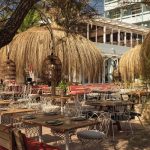
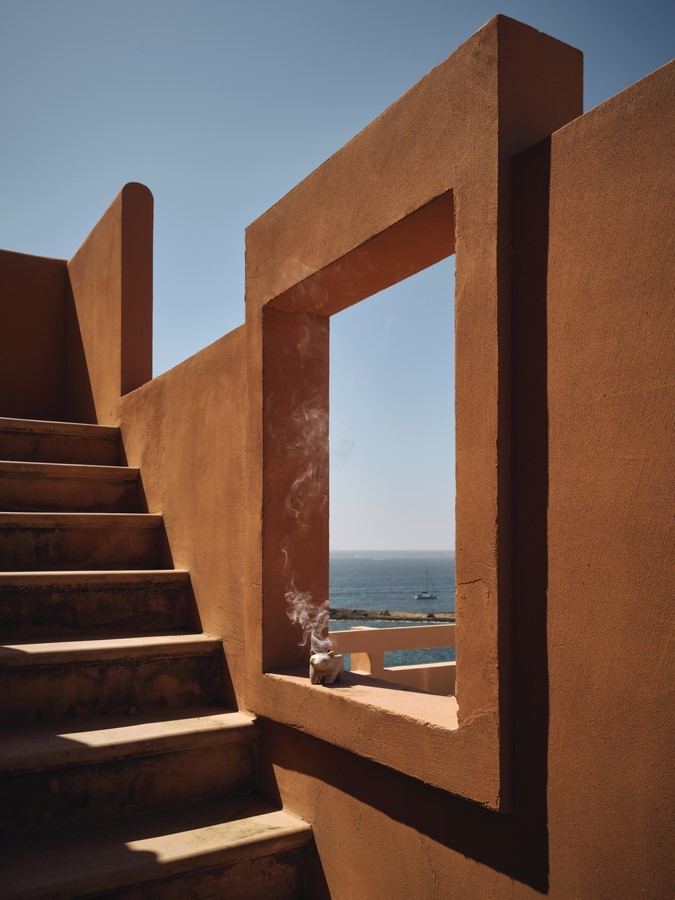
The greenery of the vast outdoor terraces, which had grown wild over the years, were comprehensively evaluated by the landscaping company. An analysis of the various terraces and levels in the preexisting layout informed the decisions regarding which areas and materials could be left as existing and helped define new circulation routes and functional areas as required for the hotel operations. This included the replacement of some flooring materials, demolition of certain flower beds, and the addition of several new wooden decks. These interventions created the required spaces for yoga classes, rental bike storage, additional sunbeds and a boule field. Furthermore, the damaged pool was repaired and refreshed with a hand-painted mural: the iconic peace sign, as well as a few other imaginative creatures, designed by artist Yoshi Sislay.
Throughout the property, plants were trimmed, relocated or replaced as necessary. New flora was planted with a focus on local species and sustainable practices – such as choosing plants that would be suited to the challenging coastal conditions, instead of replanting every year.