Ernan Boutique Hotel: A Journey Through Space, Heritage, and Renewal Introduction
In an era where travel is increasingly defined by immersive experiences, boutique hotels have emerged as more than just places of accommodation—they are narratives woven into the fabric of their surroundings. Ernan Boutique Hotel is not merely a restoration project; it is an architectural intervention that reimagines an abandoned village, revives its cultural legacy, and offers a deeply sensory experience shaped by space, light, and water.
Project Name: Ernan Boutique Hotel
Studio Name: Hotel by Kalbod Studio
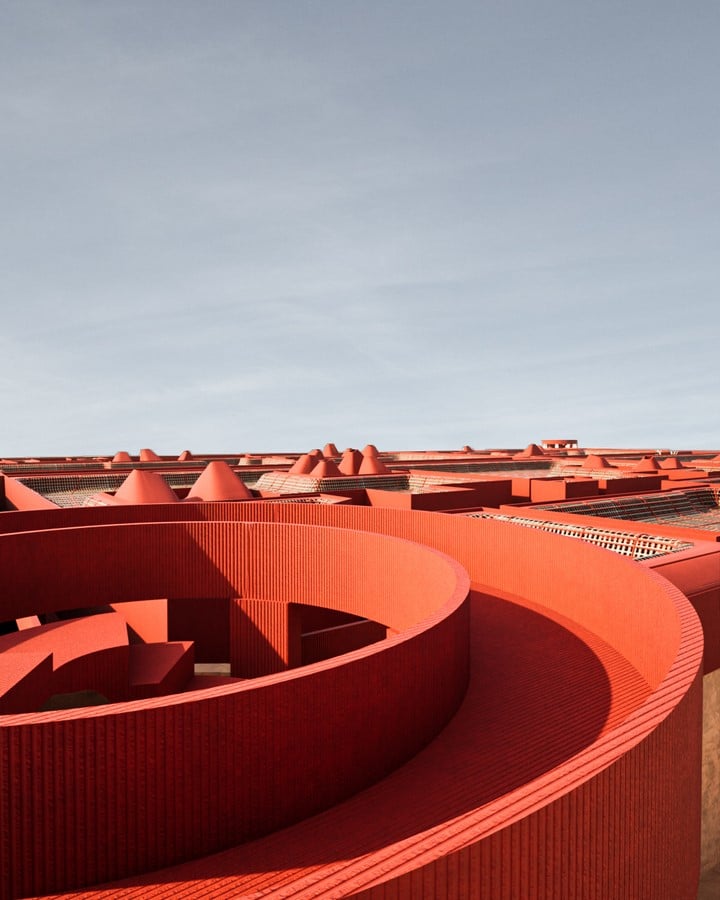
With a focus on preserving heritage while introducing contemporary spatial expressions, the hotel transforms the ruins of Ernan Castle into a destination where history and innovation converge. The project goes beyond the traditional approach of reconstruction; instead, it seeks to cultivate a dialogue between the past and present, allowing guests to traverse a landscape where time and space intersect.
Architectural Vision: A Dialogue Between Old and New
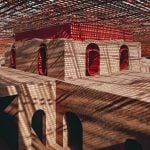
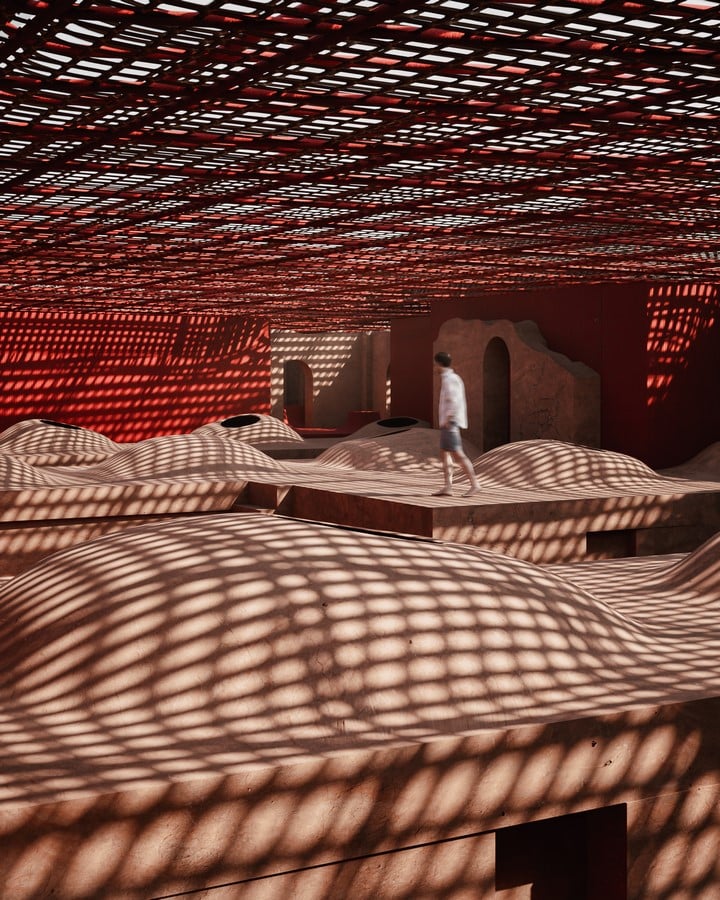
The site, an abandoned fortress settlement, bore the weight of time—its walls weathered, its structures collapsing. Rather than imposing a rigid reconstruction, the design embraces the imperfections of decay, using them as a foundation for a renewed spatial experience. The approach balances preservation with intervention, ensuring the integrity of the existing architecture while introducing contemporary elements that heighten its experiential depth.
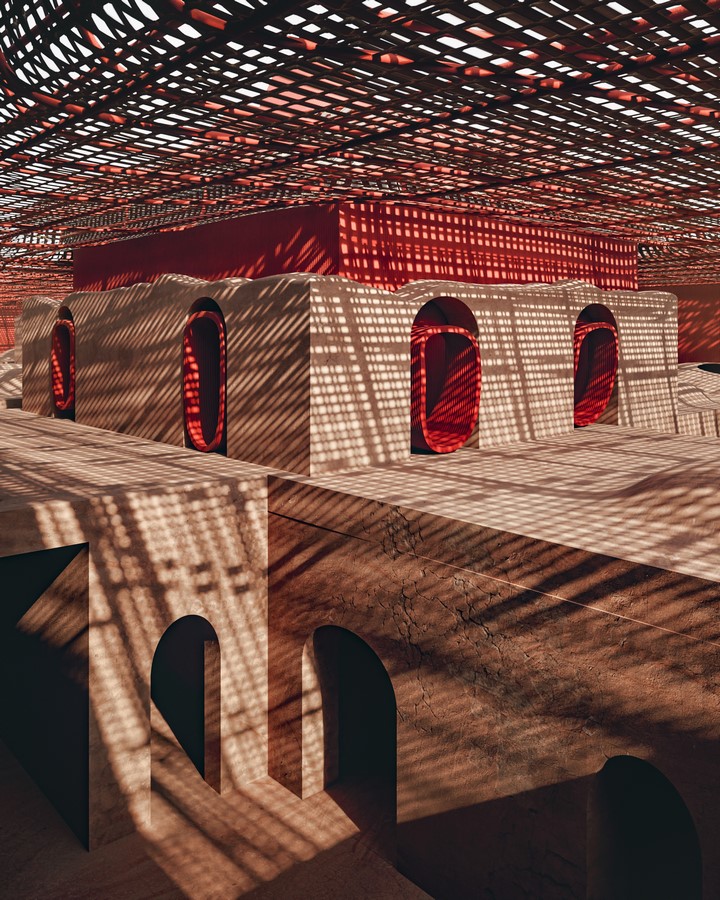
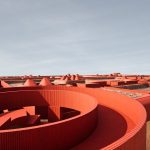
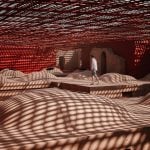
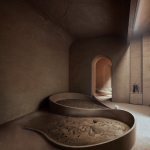
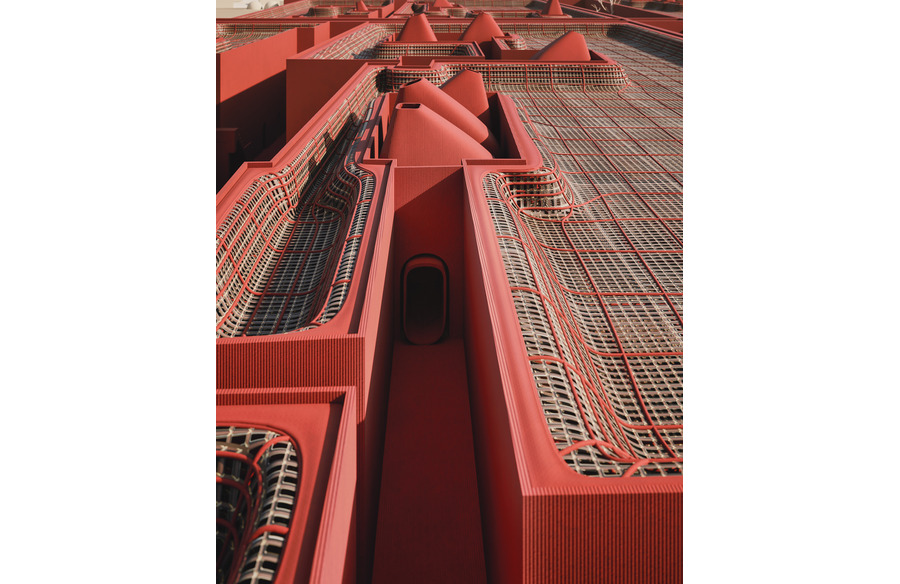
The thick, earth-formed walls of the original structure are left largely intact, standing as silent witnesses to the passage of centuries. In contrast, a new roof structure—lightweight yet bold—emerges as an independent entity. This perforated canopy filters the desert sun, casting dynamic shadows that shift with the time of day. Like the historic rooftops of Yazd, it becomes a navigable space, integrating staircases and terraces to provide panoramic views of the surrounding mountains and sky.
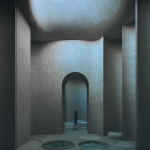
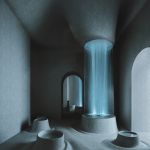
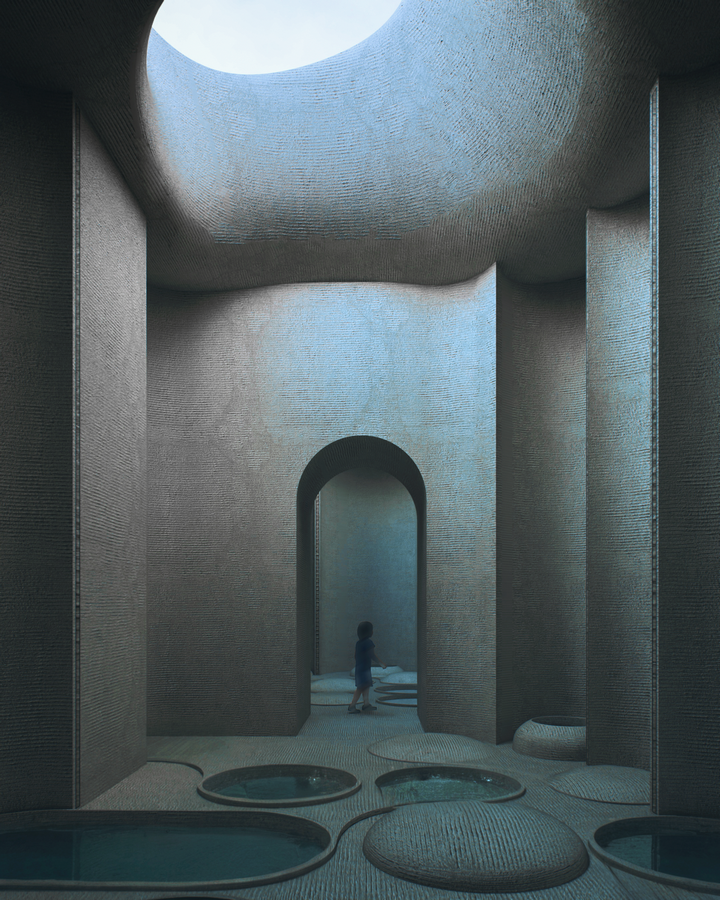
Water, a precious element in the arid landscape, is interwoven into the design not only as a practical resource but as a symbolic and experiential component. Revitalizing the village meant restoring its ancient water channels, ensuring a sustainable source that breathes life into the settlement. These water features are strategically placed within the hotel’s courtyards and pathways, offering guests a sensorial connection to the oasis-like refuge.
Reviving the Village: An Experience of Place and Time
The Ernan Boutique Hotel does not merely occupy a historic site—it reactivates a lost village. The architectural intervention extends beyond the main structure, integrating the surrounding ruins into the guest experience. Pathways once trodden by villagers are redefined, leading visitors through a sequence of spaces where past and present seamlessly intertwine.
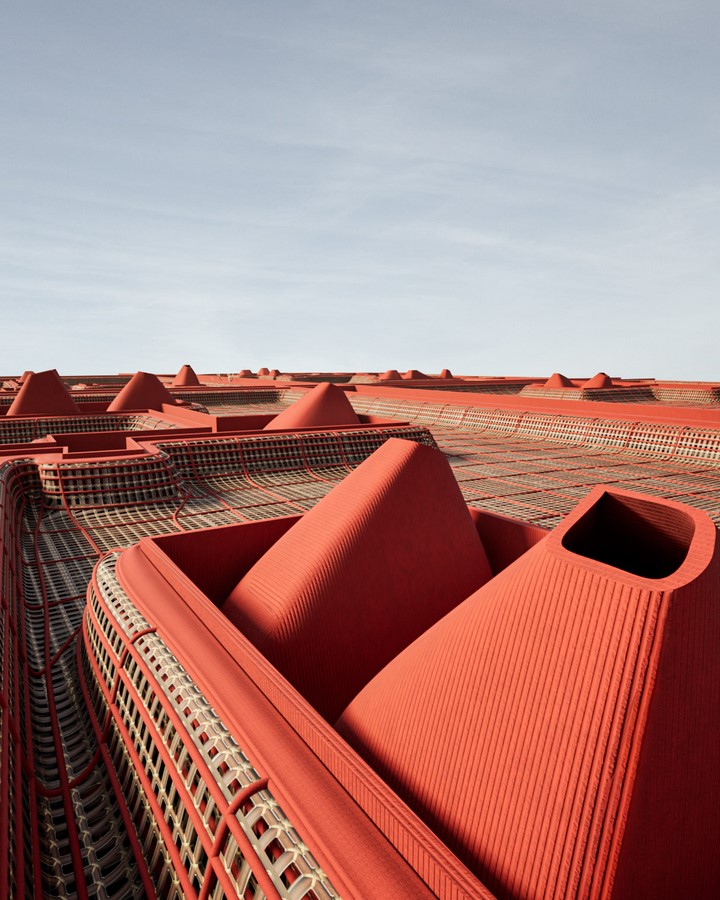
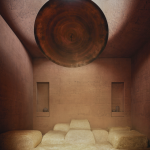
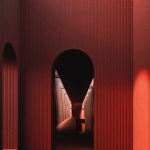
At its core, the hotel functions as a living museum of spatial narratives. The journey unfolds through thematic sections inspired by natural elements—earth, fire, water, and air—each designed to heighten the visitor’s sensory awareness. Guests do not simply stay; they partake in a curated passage through time, where each space offers a distinct atmosphere shaped by materiality, light, and sound.
Programming is designed to align with the village’s rebirth. Traditional crafts, culinary experiences, and cultural storytelling are woven into the visitor’s stay, fostering a connection with the region’s heritage. The once-abandoned homes of the village are repurposed as artist residencies and cultural spaces, ensuring that the revival extends beyond tourism and into the realm of sustainable community regeneration.
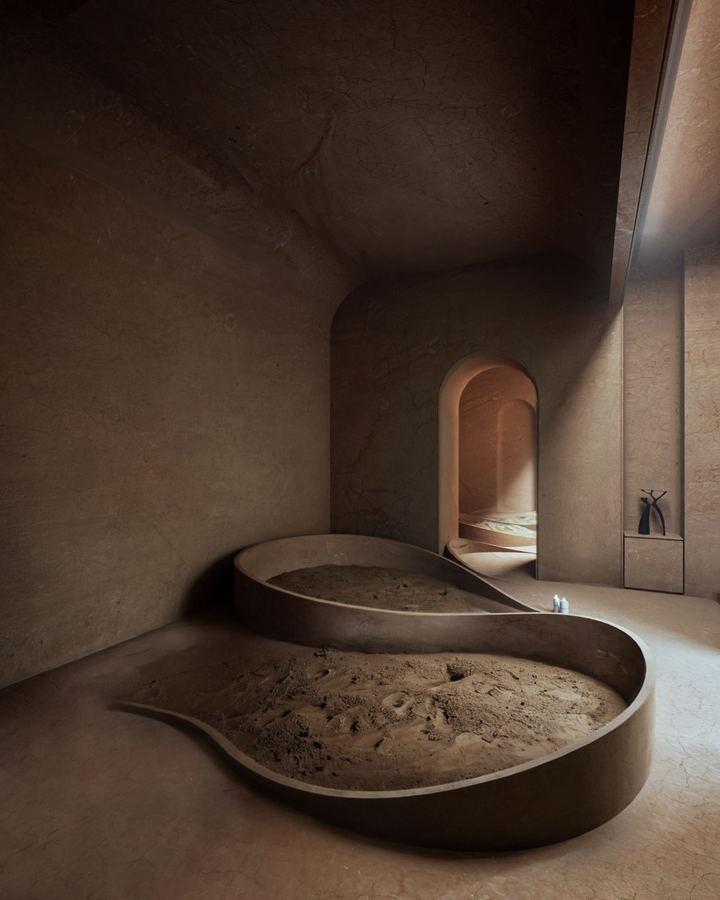
Conclusion: Beyond Hospitality, A Living Narrative
The Ernan Boutique Hotel challenges the notion of preservation as a static endeavor. Instead of freezing history in time, the project allows it to evolve, engaging visitors in an architectural experience that is both intimate and expansive. By reviving the village, preserving its architectural soul, and integrating water as a sustaining force, the hotel creates an environment where every step through its spaces tells a story.
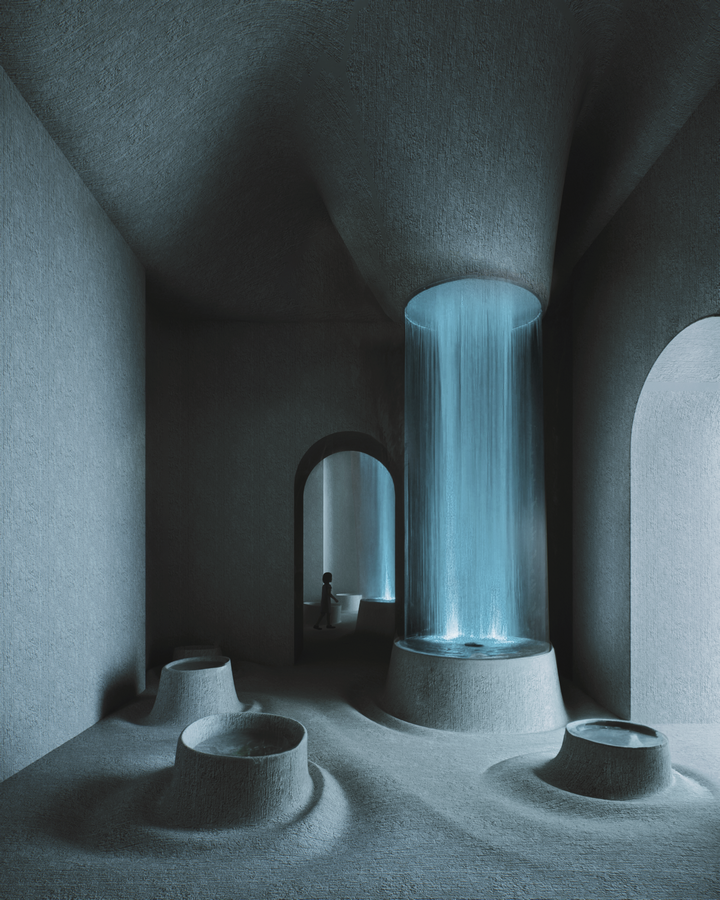
This is not merely a place to stay—it is a place to experience, to rediscover, and to reflect. In its quiet courtyards, atop its windswept terraces, and within its water-laced corridors, the past is not only remembered; it is reimagined, offering travelers a journey that lingers long after they leave.