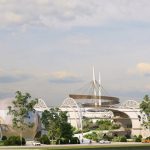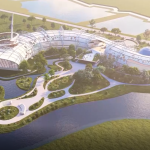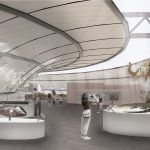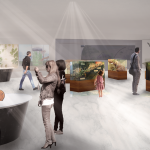
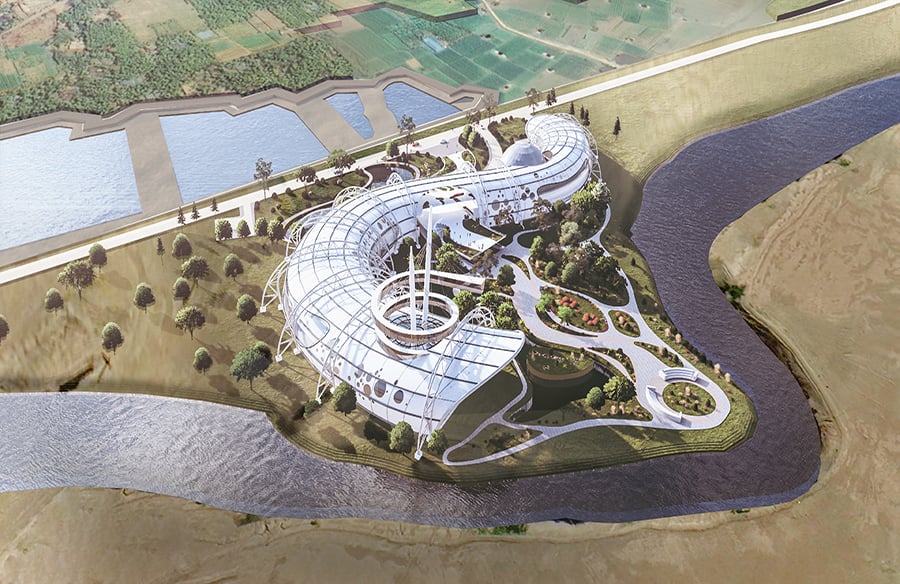
Museums of natural history are essential for preserving biodiversity of delicate ecosystems. The Natural History Museum Complex located in Cox’s Bazar, Bangladesh explores, conserves and celebrates the abundant biodiversity of the area as Bangladesh have 6,000 plant species and 1,600 faunal species, alongside the Bay of Bengal’s nearly 350 species of fish, 3 species of marine mammals, and significant populations of corals and crustaceans.
Project Name: Unveiling Biodiversity A Natural History Museum Complex for Discovering the Treasures of Bangladesh
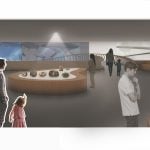
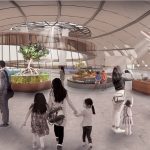
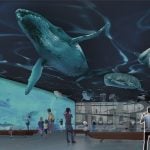
The idea behind the initiative is based on biodiversity hotspots, with a particular emphasis on areas of Bangladesh where a high number of species are found. Its five immersive galleries are designed with this subject in mind. The Hall of Treasures highlights Bangladesh’s ecological significance as a worldwide biodiversity hotspot by introducing tourists to rare species that are native to the country. Coral reefs, aquatic life, and coastal ecosystems are all on display in the Marine Gallery. Whereas the Land Pavilion emphasizes trees, fauna, and terrestrial biodiversity, the Inland Water Odyssey emphasizes rivers and wetlands. Lastly, the endangered species and plans for sustainable conservation are envisioned in the Future of Biodiversity gallery.
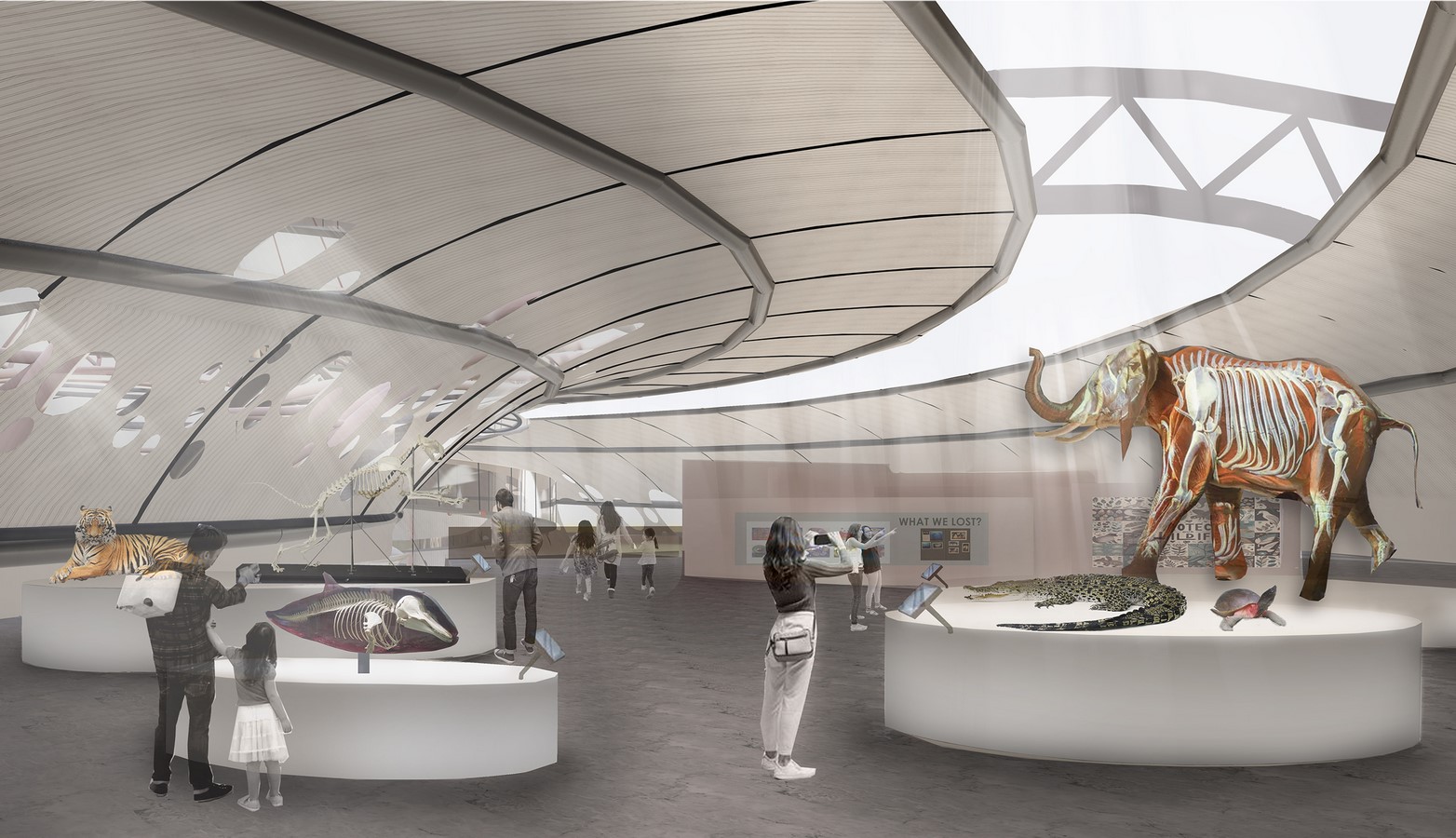
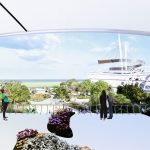
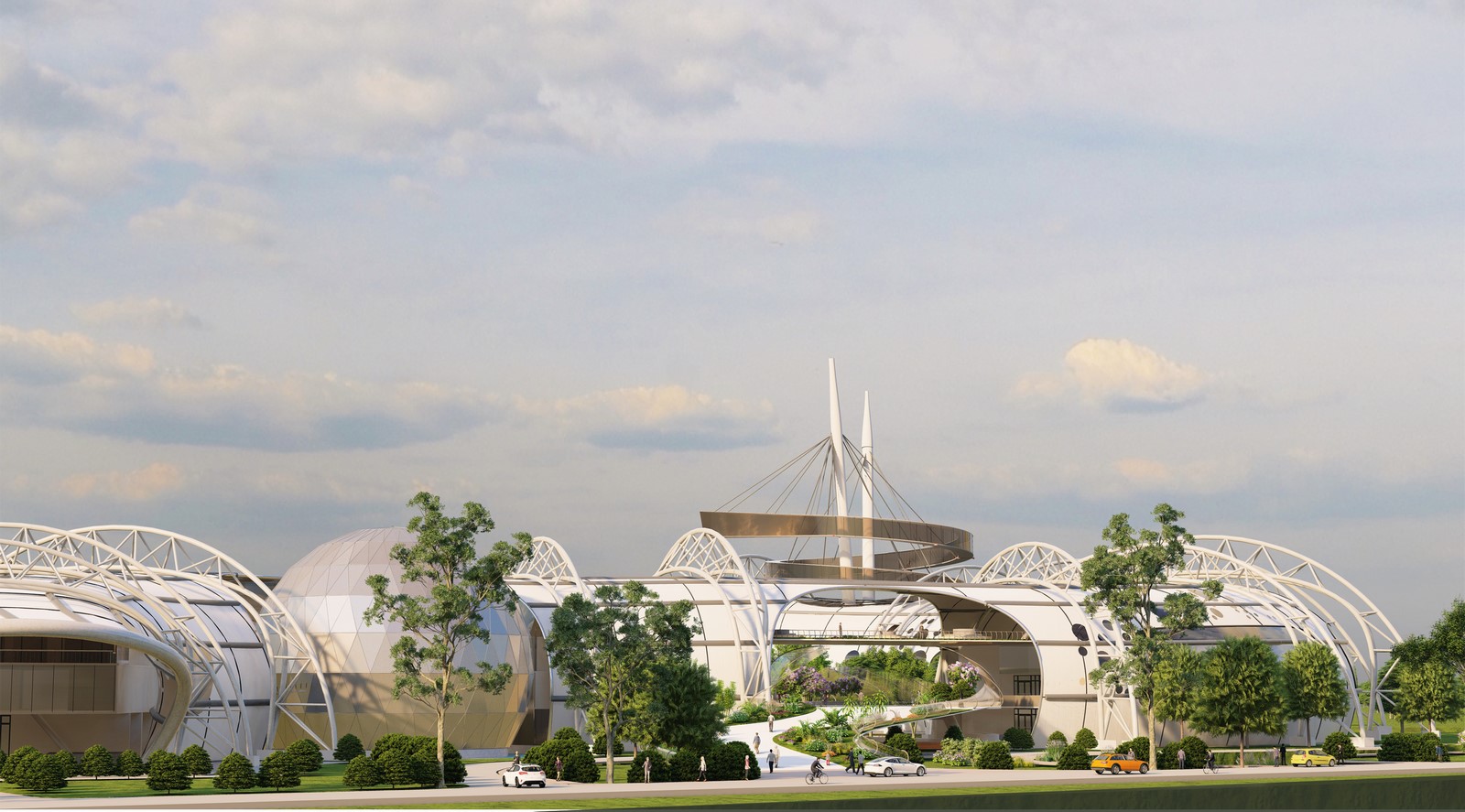
The entrance ramp facilitates the visitors to start the journey by celebrating seaside landscape and live ecosystem incorporated in design. The project also includes a Multi-functional Hall for community events and seminars, a Science Gallery for schools and visitors, and an enormous Virtual Experience Center. These areas strengthen the museum’s function as a center of education and culture. To admire the hills and sea, there is also a 360-degree observatory.
In order to protect the delicate coastal landscape, the design places a strong emphasis on site sensitivity. To maintain ecological balance, underground expansion was avoided. The project’s sturdy structural design, which ensures durability and safety, was influenced by the area’s vulnerability to cyclones.
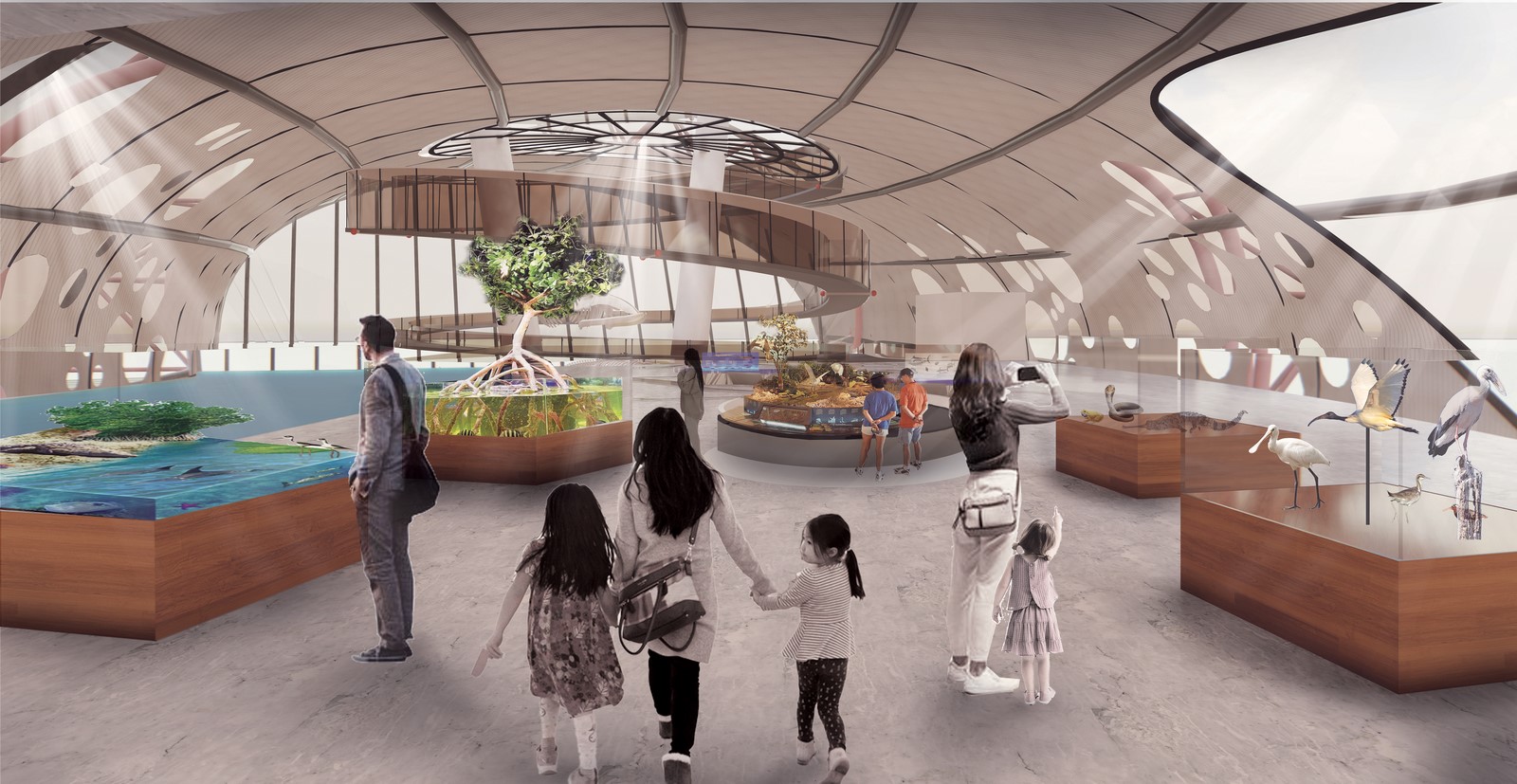
A steel structure system inspired after decomposing whale skeletons discovered in Cox’s Bazar is incorporated into the architectural design to represent ecological devastation brought on by human activity. By balancing the building with its natural surroundings, the materials and structural system reduce their negative effects on the environment. The sheeting material reduces the cooling load and keeps the building cooler.
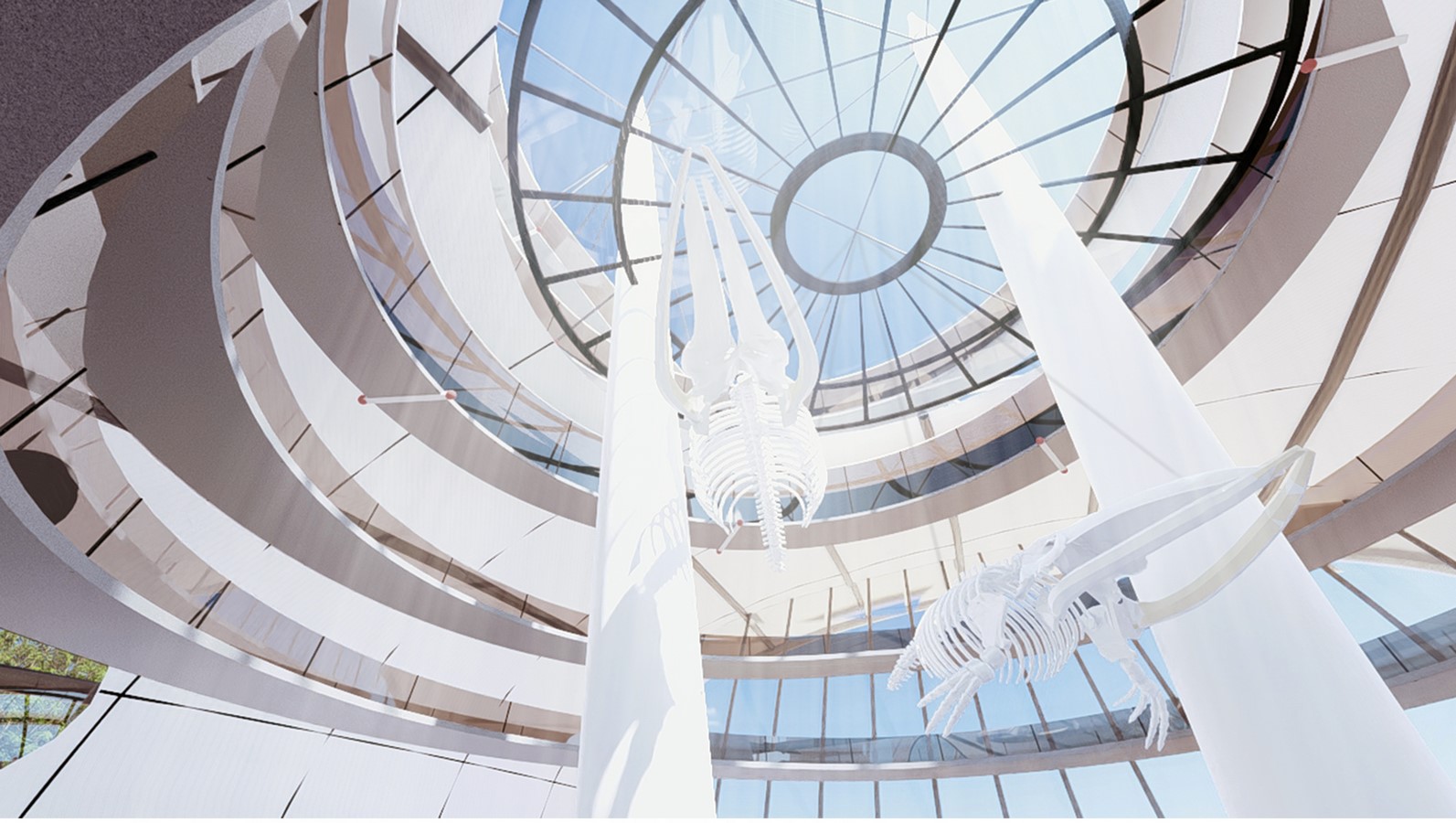
The museum incorporates a cutting-edge research center with its twin focus of education and research, enabling scientists and conservationists to carry out innovative research on biodiversity. It aims to foster tourists’ understanding and sense of responsibility while promoting their active involvement in conservation efforts.