World Cities Day, observed on October 31, as recognised by the United Nations, is an opportunity to promote sustainable urban development around the world. On World Cities Day in 2024, the World Health Organization called upon urban leaders to place young people at the centre of urban planning. City makers can improve public health by addressing challenges across sectors and coordinating efforts at all levels of governance. Engaging youth in urban planning ensures the development of realistic strategies. WHO emphasises that urban planning is not merely about developing infrastructure, but also about ensuring healthy environments.
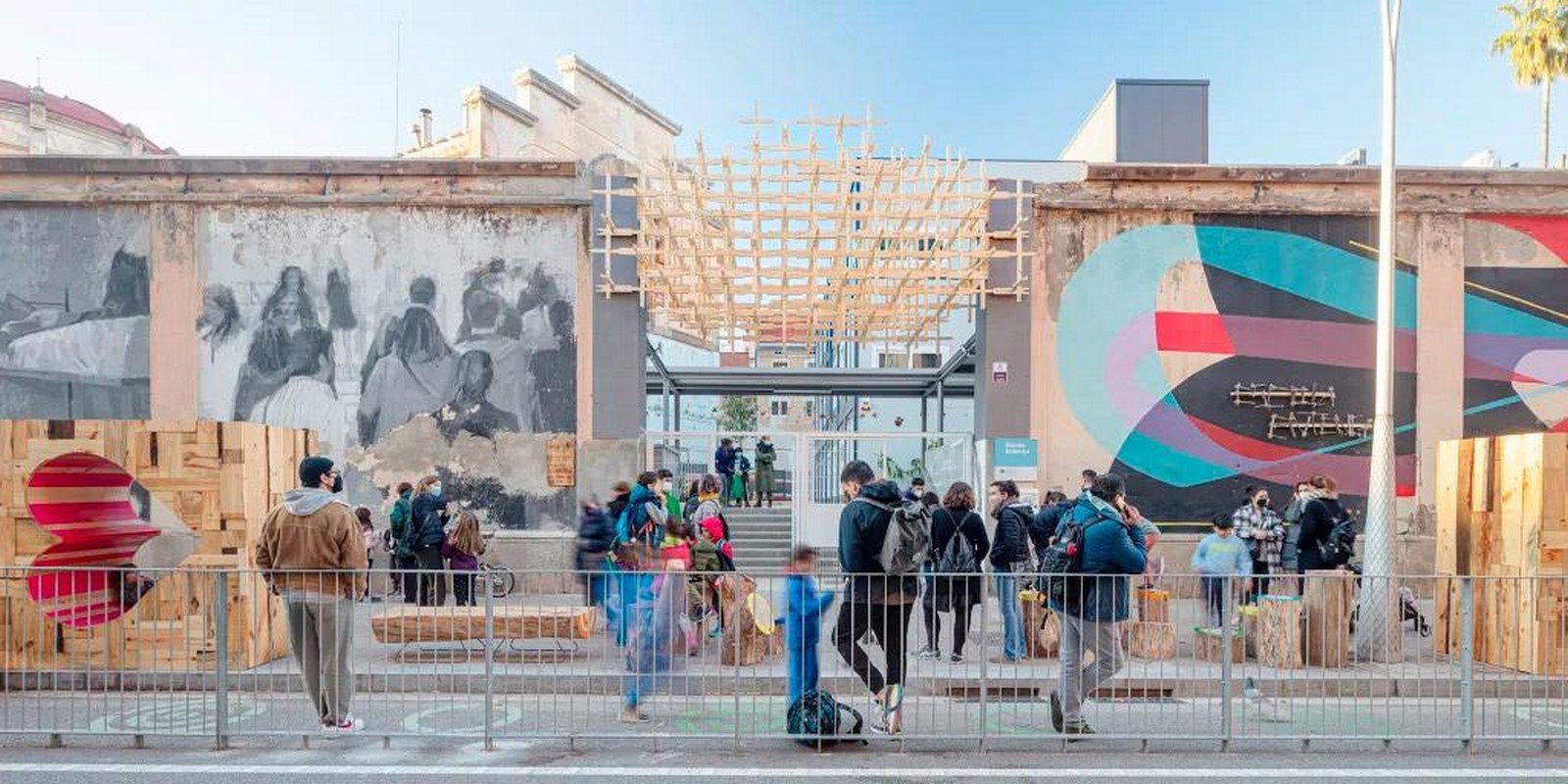
Why Youth?
More than half of the world’s population now resides in cities. With quality education and attractive employment facilities, young people are specifically drawn to the urban areas. Upon prioritising urban health, cities cultivate spaces which allow young people to thrive- both physically and mentally. The World Health Organization views the youth as active stakeholders instead of passive beneficiaries. The design and governance of cities shape the opportunity, health, and social mobility of young residents. Walkable streets, access to public transport, green spaces, and affordable housing determine how youth live, work, and socialise.
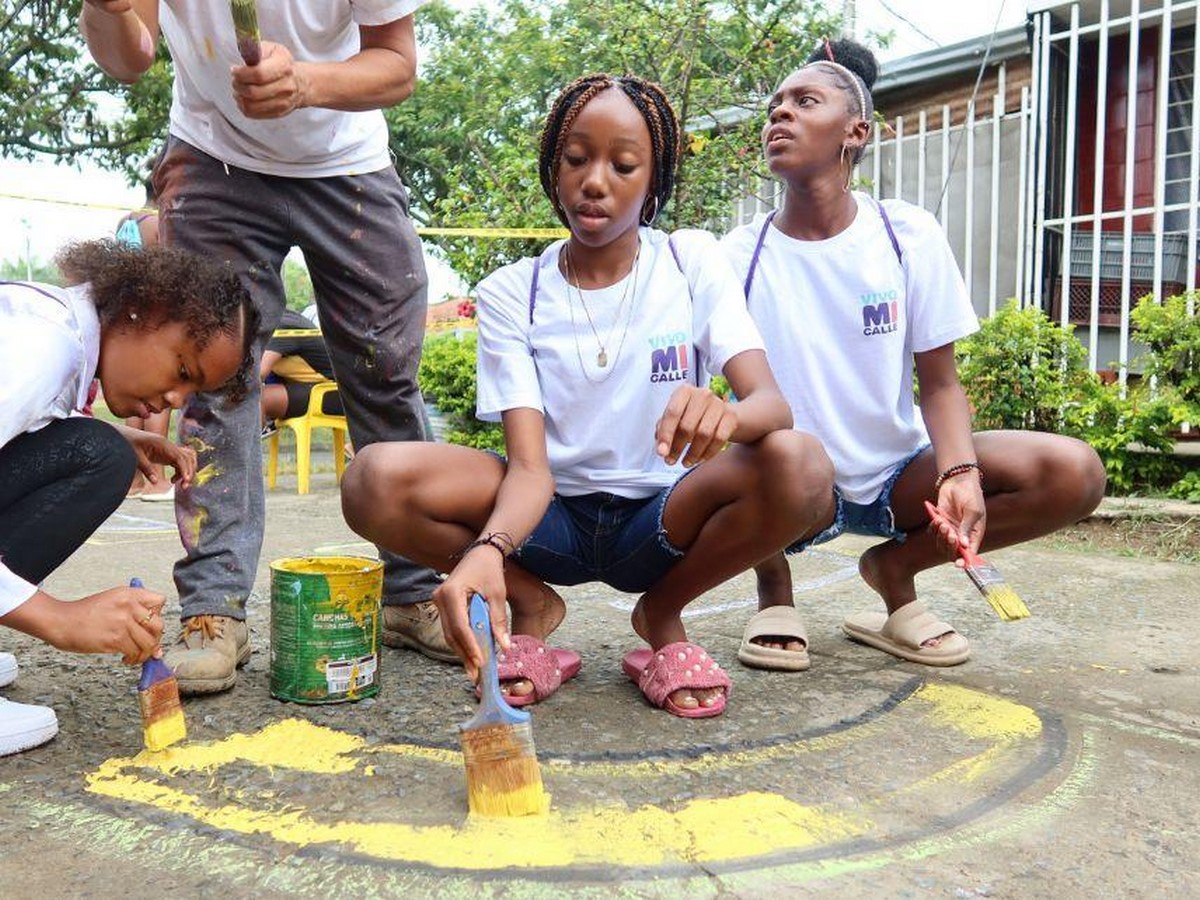
Toolkit by WHO
WHO has launched a new Urban Health Capacities Assessment and Response Resource Kit that equips multi-sectoral teams to assess whether a given initiative can meet its goals in a complex urban environment. The resource kit helps in finding the answer to the critical question: Do we have the right capacities in place to achieve our objectives that influence urban health, whether directly or indirectly?
The kit offers a structural framework through its Primer and a step-by-step approach in the Action Guide and training videos. It helps users assess key capabilities across four areas: informed decision making and evaluation, policies and innovation, resource management, and partnerships and participation. The assessments are at three levels, namely, individual, organisational, and systemic. This enables a comprehensive understanding of strengths and gaps. The kit highlights the need for strong coordination and cross-collaboration in urban health, thus enabling the development of integrated and comprehensive public health strategies.
Urban Youth Led Approach
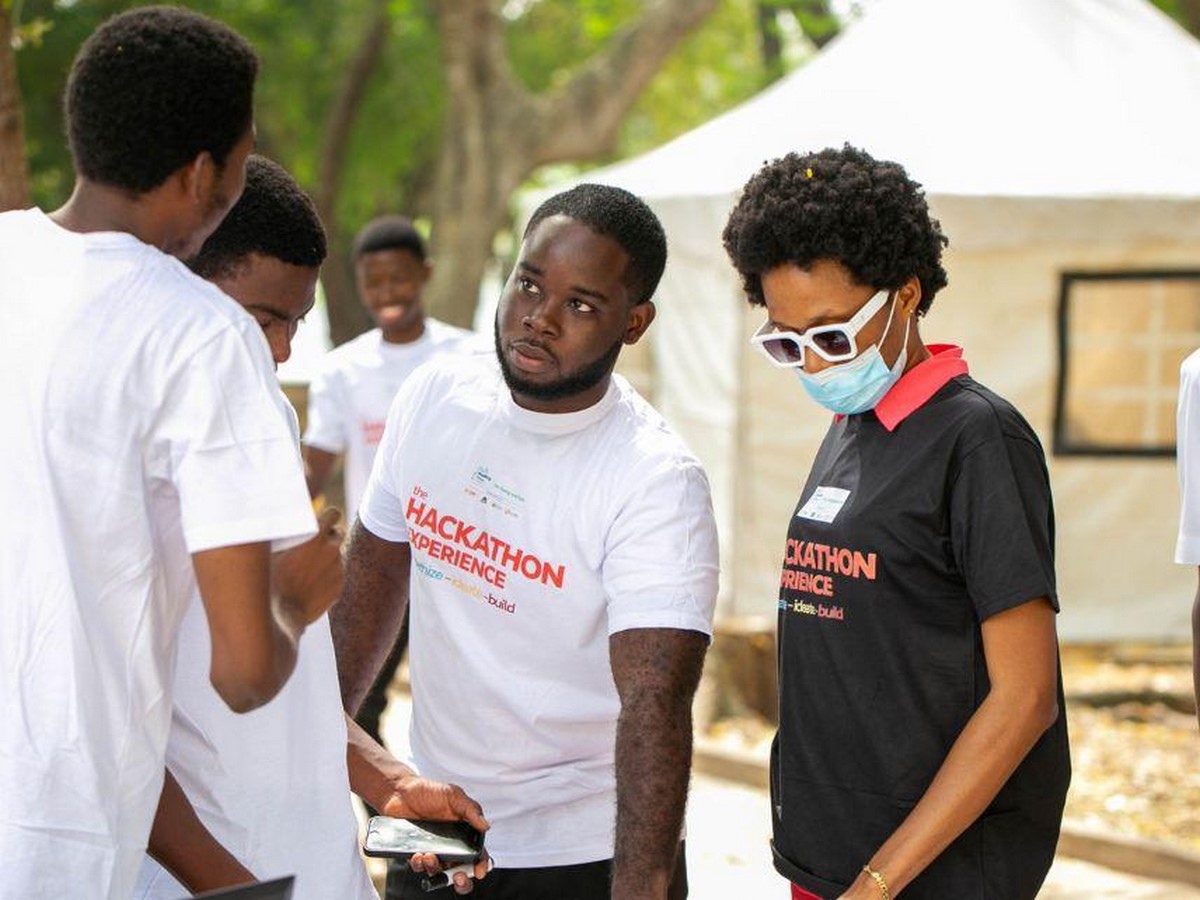
Incorporation of youth voices can nurture innovation and long-term stability. The current youth will be the people who will be living in urban areas for the long term. UN-Habitat has predicted that by 2030, a majority share of the urban population will be young adults. The younger population (under 25) accounts for 45% of the urban demography. Global studies reveal that shortcomings of urban development are a lack of involvement of youth in urban planning, development, and management. Being the future residents of urban areas, their opinions and feedback regarding development must be included in strategy planning.
Youth participation in urban planning is essential for balanced and fair development. However, they are often left out due to existing social and structural barriers. Globally, two approaches guide the youth-led engagements in the urban context: Youth mainstreaming and youth-led development, as outlined by UN-Habitat in 2024. Mainstreaming is the integration of the youth’s perspective into existing systems, and youth-led initiatives are giving them the power to initiate and manage their own projects. These approaches have been beneficial and effective.
Despite the advantages associated with youth-led urban development, their involvement is still marginalised. Youth contributions provide new perspectives and insights by redefining the surroundings and ground realities. The toolkit ensures collaborative contributions from real active users, which helps make informed decisions. If the major stakeholders are involved in decision-making, the urban growth will be fair, equal, and more effective. Asking the right questions to the right people can be beneficial in the sustainable growth of the cities. Due to rapid urbanisation and limited time, it is important to involve the youth sooner rather than later.
References:
- EIT Urban Mobility (2023) Empowering young people to co-design urban spaces and mobility solutions. 25 July. Available at: https://www.eiturbanmobility.eu/impact-stories/empowering-young-people-to-co-design-urban-spaces-and-mobility-solutions/
- Gupta, J.K. (2025) Engaging youth in making urban areas more sustainable, liveable and productive. ResearchGate. Available at: https://www.researchgate.net/publication/388642522_Engaging_Youth_in_Making_Urban_Areas_More_Sustainable_Liveable_and_Productive
- World Health Organization (2024) On World Cities Day 2024, WHO releases tools to foster healthier cities for empowered youth. 31 October. Available at: https://www.who.int/news/item/31-10-2024-on-world-cities-day-2024–who-releases-tools-to-foster-healthier-cities-for-empowered-youth
Image References:
- EIT Urban Mobility (2023) Panoramic photo related to youth co-design of urban spaces and mobility solutions [Image]. Available at: https://www.eiturbanmobility.eu/wp-content/uploads/2023/07/AGP_0291-Pano_1024.jpg
- Healthy Cities Network (2024) This World Habitat Day – Colombia [Image]. Available at: https://healthy-cities.org/app/uploads/2024/10/This-World-Habitat-Day-Columbia.jpg