Branding is the soul of any business; a carefully crafted identity that communicates its values, aspirations, and promise to customers. It’s more than just logos and slogans; it’s an emotional connection that builds loyalty and trust. Companies rebrand for various reasons: evolving market trends, attracting new audiences, or repositioning their offerings. While this strategy carries risks, it often redefines a brand’s trajectory, especially when a legacy brand like Jaguar decides to hit the reset button.

Jaguar, synonymous with British luxury and automotive elegance, is undergoing a radical transformation. Founded in 1922 by Sir William Lyons, Jaguar has long been a symbol of refined craftsmanship and performance, best known for its sleek designs and powerful engines. However, with the automotive world shifting towards sustainability and electrification, Jaguar realized it was time for reinvention.
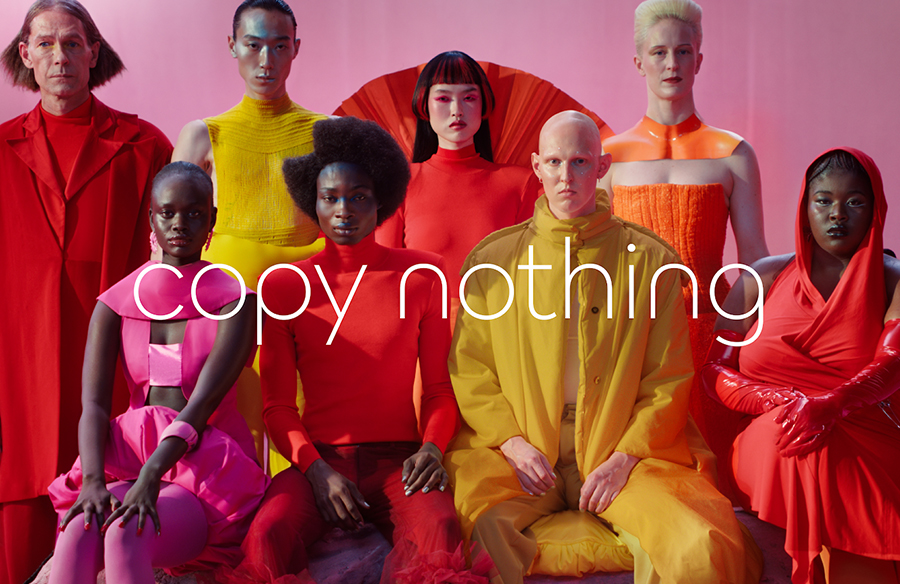
Dubbed “Exuberant Modernism,” Jaguar’s rebranding aims to be fearless and artistic. The iconic leaping jaguar emblem has been retired, replaced by a sleek “Maker’s Mark”- a geometric logo featuring both uppercase and lowercase letters. This minimalistic design, paired with bold primary colours like red, yellow, and blue, represents a dramatic shift from Jaguar’s classic image to a modern, edgy, and inclusive brand identity. Even Jaguar’s marketing campaigns have taken a bold turn, focusing not on cars but on futuristic fashion and art, signalling a broader cultural shift.

The decision to rebrand wasn’t just about aesthetics. Jaguar aims to appeal to a younger, affluent demographic- people described as “cash rich, time poor” and design-conscious. To attract this new audience, Jaguar plans to raise its entry-level price to around £100,000 (more than INR 1 crore), positioning itself firmly in the luxury EV market. This bold move signifies a departure from its traditional customer base, as Jaguar anticipates that only 10-15% of its current clientele will transition with them.
However, rebranding comes with repercussions. Loyalists who valued Jaguar’s heritage may feel alienated, questioning whether the brand has lost its identity. Critics argue that moving away from its British roots and nearly a century of legacy is risky, potentially diluting what made Jaguar iconic in the first place. The brand’s gamble lies in whether it can successfully engage a new generation without losing its core ethos.

Yet, Jaguar’s leadership remains optimistic. Rawdon Glover, Jaguar’s Managing Director, emphasizes the brand’s return to its “copy nothing” philosophy, aiming to reclaim its originality. The upcoming Miami Art Week, where Jaguar will debut its Design Vision Concept, is set to showcase this daring vision. By blending innovation, art, and luxury, Jaguar hopes to inspire a new era of enthusiasts who view cars not just as vehicles but as statements of modern living.
In a world where brands must constantly evolve, Jaguar’s rebranding is a bold attempt to stay relevant and desirable. Whether this transformation leads to success or challenges, it demonstrates Jaguar’s commitment to shaping the future rather than being shaped by it. One thing is certain: Jaguar is no longer just about cars; it’s about leading a cultural and technological revolution.
References:
- Andrivet, M. (2024) Jaguar hits the Reset Button and emerges as a completely new brand, The Branding Journal. Available at: https://www.thebrandingjournal.com/2024/11/jaguar-rebrand/ (Accessed: 28 November 2024).
- Jaguar rebrands ahead of EV Reinvention (no date) Electrifying.com. Available at: https://www.electrifying.com/blog/article/jaguar-rebrands-ahead-of-ev-reinvention (Accessed: 28 November 2024).