A building does not stop communicating when daylight fades. As evening settles in, architecture is experienced in a completely different way. Shapes soften, textures become more pronounced, and carefully designed spaces rely on light to remain welcoming, functional, and memorable. Yet despite its influence on how a project is perceived after dark, outdoor lighting is often treated as a finishing detail rather than a fundamental part of the design process. GCZICO, an engineering-grade outdoor lighting manufacturer, has worked on projects where lighting is considered from the earliest planning stages. That experience reflects a broader industry trend: involving lighting early often leads to stronger architectural and practical outcomes.
Great Architecture Doesn’t End When the Sun Goes Down
The best buildings leave a lasting impression at any hour. While daylight reveals form and material, night introduces a new opportunity to shape how architecture is seen and experienced. Without thoughtful lighting, carefully crafted façades, landscape features, and public spaces can disappear into the background. With the right approach, those same elements continue telling the story of the design long after sunset.
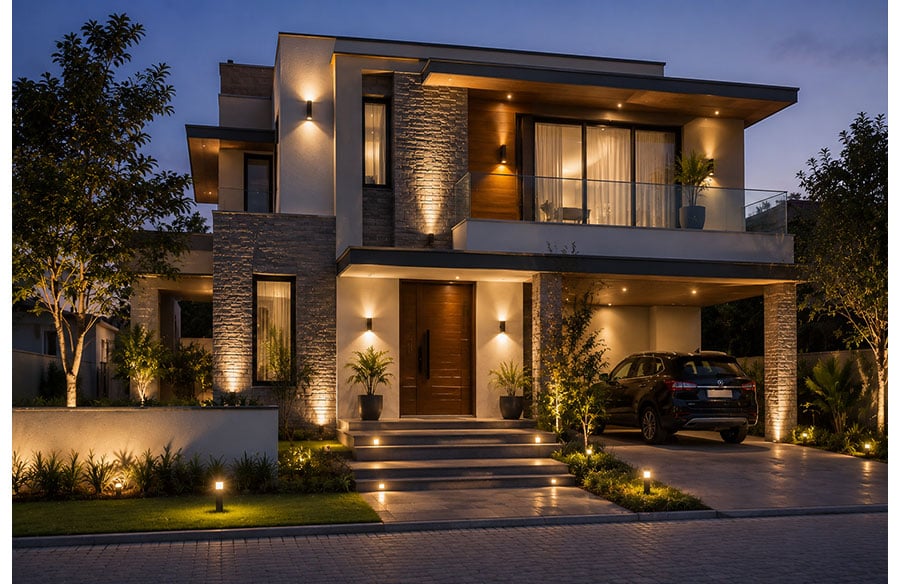
Lighting does far more than make a building visible. It highlights textures, emphasizes proportions, and creates depth that changes the way people interact with a space. Different architectural features also call for different lighting techniques. Clean, contemporary façades may benefit from the subtle lines created by an LED linear light, textured walls can be enhanced with an LED wall washer light, and larger structures or landscape elements often require the broader coverage of an LED flood light. Choosing the right lighting solution for each application helps preserve the architect’s vision while giving the building a distinctive presence after sunset.
Of course, visual appeal is only part of the equation. Successful lighting design also supports safety, improves orientation, and makes outdoor environments feel comfortable to navigate. When these practical needs are considered alongside architectural intent, lighting becomes part of the design itself instead of an addition made once construction is nearly complete.
Early Lighting Planning Prevents Costly Design Changes
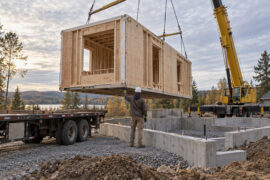
Every successful project depends on careful coordination behind the scenes. Architectural concepts, structural systems, and building services all develop together, and outdoor lighting deserves the same level of attention. Planning it from the outset allows lighting requirements to be integrated naturally into the overall design rather than squeezed into the remaining space once key decisions have already been made.
That coordination can prevent a surprising number of challenges. Fixture locations, cable routes, drainage systems, façade details, and structural elements all need to work together. Something as simple as relocating conduit after a façade has been installed can increase labor costs, delay construction, and compromise the original design vision. Addressing these issues during concept development is far more efficient than solving them on site.
This kind of collaboration is becoming increasingly common across the industry as project teams recognize the value of integrating lighting into the design process from the outset. Many developers also choose to work with top architectural lighting manufacturers that can provide technical guidance during the planning phase, helping align lighting systems with both design and construction requirements. Companies such as GCZICO often work alongside architects, contractors, and consultants during the planning stage to help coordinate lighting requirements before construction begins. With technical considerations addressed early, projects are more likely to progress smoothly, minimize unexpected revisions, and stay true to the architect’s original vision.
Lighting Shapes How People Experience a Space
People rarely remember a building only because of its appearance. More often, they remember how it made them feel. Was the entrance inviting? Did the pathways feel safe? Was it easy to find the destination without hesitation? These experiences are often shaped by lighting in ways that people hardly notice until it is missing.
Thoughtfully illuminated entrances, walkways, gardens, and public plazas create spaces that feel intuitive and welcoming. Visitors naturally follow light toward important destinations, while carefully lit gathering areas encourage people to slow down and enjoy their surroundings. For commercial developments, façade lighting can also reinforce a property’s identity and create a stronger presence after sunset without overwhelming the architecture.
Good lighting is rarely about adding more brightness. Instead, it is about knowing where light belongs and where darkness should remain. A balanced combination of brightness, contrast, and shadow creates visual comfort while adding character to the space. When lighting is considered as part of the architectural experience, it enhances both the function and atmosphere of the environment.
Better Planning Leads to Better Long-Term Performance
A building’s lighting system should continue performing well long after construction is complete. That is why decisions about durability, maintenance, and energy efficiency deserve attention during the design phase instead of after products have already been selected. Early planning allows project teams to choose lighting solutions that match the building’s environment, expected use, and long-term operational goals.
Weather exposure, maintenance access, and fixture performance all influence how well an outdoor lighting system ages over time. Selecting products suited to local conditions helps reduce unnecessary replacements, while designing with maintenance in mind allows servicing to be completed more efficiently and with less disruption to daily operations.
This long-term perspective is becoming more common among outdoor lighting manufacturers, including GCZICO, as projects place greater emphasis on durability, maintainability, and long-term performance. Considering these factors from the beginning not only improves energy efficiency but can also reduce light spill, maintenance demands, and operating costs throughout the life of the project. Lasting performance begins with informed design decisions, not rushed product choices made at the end of construction.
Lighting Is Part of the Architecture, Not an Afterthought
Architecture is experienced around the clock, and outdoor lighting plays a central role in shaping that experience. Integrating lighting into the design process from the beginning creates buildings that are more visually compelling, easier to construct, more enjoyable to use, and more economical to maintain over time.
As expectations for the built environment continue to evolve, lighting deserves to be viewed as more than a technical requirement. It is an architectural tool that influences how people move through spaces, how buildings are remembered, and how projects continue to perform for years after they are completed. When lighting is part of the conversation from day one, architecture continues to tell its story long after the sun has set.