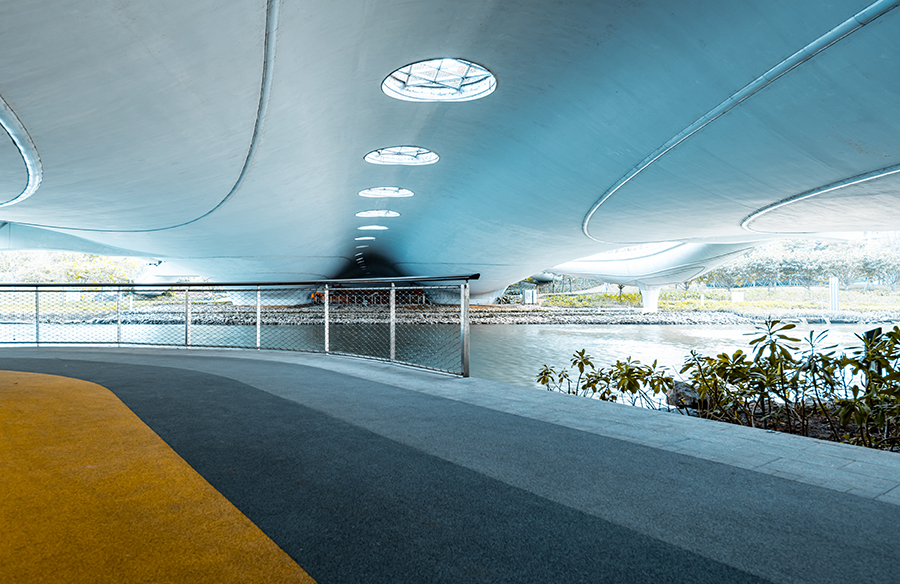
The Emergence of Wellbeing Architecture
In recent years, the concept of well-being architecture has gained significant traction as businesses, designers, and policymakers increasingly recognize the profound impact that indoor environments have on human health, comfort, and productivity. Wellbeing architecture goes beyond traditional design by integrating elements that promote physical and mental health, comfort, and overall wellness. This holistic approach is becoming essential as people spend up to 90% of their time indoors, according to the Environmental Protection Agency (EPA), Zenetrix for Cincinnati businesses. The quality of indoor air, lighting, acoustics, and thermal comfort directly affects occupant wellbeing and performance.
The COVID-19 pandemic has further highlighted the importance of healthy indoor environments, driving architects and building managers to rethink how indoor spaces are designed and managed. The integration of environmental sensors into building systems is emerging as a critical tool in this transformation. These sensors provide real-time data on various indoor parameters such as air quality, temperature, humidity, light levels, and noise. By leveraging this data, designers and facility managers can make evidence-based decisions that optimize environments for occupant health and comfort. The integration of technology in architectural design is shaping the future of sustainable and human-centric buildings.
Leveraging Environmental Sensors in Building Design
Environmental sensors serve as the foundation for well-being architecture by offering continuous monitoring of indoor conditions. This data-driven approach allows for dynamic adjustments to indoor environments, ensuring optimal conditions are maintained throughout the day. For example, sensors can detect elevated levels of carbon dioxide or volatile organic compounds (VOCs), triggering ventilation systems to improve air quality. Similarly, light sensors can adjust artificial lighting to complement natural daylight, reducing eye strain and enhancing mood.
Indoor air quality is a critical factor in occupant health. According to the World Health Organization, poor indoor air quality contributes to approximately 4.3 million deaths annually worldwide, outsourcing to Cranston IT. In office environments, enhanced indoor air quality can reduce the spread of airborne diseases, a consideration that has become paramount in the wake of the COVID-19 pandemic. Studies show that improved ventilation and air filtration can decrease respiratory infections by up to 35% in office environments. These health benefits align closely with corporate wellness programs and can lead to reduced absenteeism and increased productivity.
The benefits of incorporating sensors extend beyond occupant comfort and health. For instance, sensors can also detect noise levels and adjust acoustic treatments or notify facility managers when noise exceeds comfortable thresholds. Excessive noise pollution in workplaces is linked to increased stress and reduced concentration, negatively impacting employee well-being and efficiency.
Businesses also face increasing cybersecurity challenges when implementing sensor networks. For organizations integrating such technologies, partnering with trusted cybersecurity providers is crucial. For example, companies seeking robust protection for their sensor data and network infrastructure might consider. This ensures that sensitive health and environmental data is securely managed, safeguarding both the company and its occupants.
Data-Driven Design for Enhanced Wellbeing
The real power of environmental sensors lies in their ability to inform design and operational decisions through advanced data analytics. By analyzing trends and anomalies in sensor data, architects and facility managers can identify problem areas and implement targeted interventions. For example, if a particular zone consistently experiences poor air quality or uncomfortable temperatures, adjustments to HVAC systems or space utilization can be made to improve occupant comfort.
Personalization is another significant advantage. In office settings, occupants often have different preferences for lighting or temperature. Sensor-enabled smart systems can accommodate these preferences, improving satisfaction and well-being. Research suggests that employee satisfaction can increase by up to 20% in workplaces that adapt to individual comfort needs. Such personalized environments not only enhance well-being but also foster creativity and collaboration.
Outsourcing the technical management of these sensor systems to specialized IT firms can help organizations maximize the benefits while minimizing operational burdens. Businesses considering such options might explore opportunities in. Outsourcing ensures expert handling of system maintenance, data analysis, and cybersecurity, allowing companies to focus on their core operations while maintaining healthy indoor environments.
Moreover, the data collected can inform long-term strategic decisions regarding building upgrades, space utilization, and maintenance schedules. By continuously monitoring environmental conditions, facility managers can proactively address issues before they escalate into costly repairs or health complaints.
The Role of Wellbeing Architecture in Sustainability
Wellbeing architecture intersects with sustainability by promoting energy-efficient solutions that do not compromise occupant health. For example, sensor-driven lighting systems reduce energy consumption by dimming or turning off lights in unoccupied spaces. Similarly, smart HVAC systems adjust airflow based on occupancy detected by sensors, balancing comfort with energy savings.
Buildings account for approximately 40% of global energy consumption and 33% of greenhouse gas emissions. By integrating environmental sensors, buildings not only enhance occupant wellness but also contribute to broader environmental goals. This dual focus on health and sustainability is gaining favor among investors, regulators, and tenants alike, who increasingly prioritize green and healthy buildings in commercial real estate.
Furthermore, sensor data can help optimize water usage by monitoring humidity levels and controlling irrigation or plumbing systems accordingly. This contributes to a more sustainable use of resources and supports broader environmental stewardship efforts.
The synergy between wellbeing and sustainability also extends to material choices and indoor environmental quality standards. Wellbeing architecture encourages the use of non-toxic, low-emission materials and designs that maximize natural light and ventilation, enhancing both occupant health and environmental performance.
Future Directions and Challenges
As sensor technology advances, the potential for wellbeing architecture continues to expand. Emerging innovations include sensors capable of detecting stress levels through biometric data, enabling spaces to respond to mental health needs by adjusting lighting, temperature, or even providing calming soundscapes. Integration with artificial intelligence will further refine environmental controls, making buildings more adaptive and intuitive.
Smart buildings of the future may integrate wearable sensors that provide personalized feedback and environmental adjustments in real time, creating truly responsive environments tailored to individual health profiles.
However, challenges remain. Data privacy and security concerns must be addressed to ensure occupant trust and compliance with regulations such as GDPR and HIPAA. The upfront costs of sensor installation and system integration may also be a barrier for some organizations, especially smaller businesses or those in developing regions.
Despite these challenges, the long-term benefits-including improved health outcomes, productivity gains, energy savings, and reduced operational costs-present a compelling case for investment. As more case studies and success stories emerge, the adoption of wellbeing architecture and environmental sensors is likely to accelerate.
Conclusion
Wellbeing architecture represents a transformative approach to building design, placing human health and comfort at the forefront of the built environment. Environmental sensors are pivotal in this movement, providing the data necessary to create responsive, healthy indoor spaces that adapt to occupants’ needs in real time. By embracing sensor technology and leveraging expert partnerships, businesses can foster environments that support well-being, sustainability, and operational excellence.
As the built environment evolves, well-being architecture will undoubtedly play a central role in shaping healthier, more resilient communities and workplaces worldwide. The integration of environmental sensors is not just a technological upgrade; it is a fundamental shift toward designing spaces that truly nurture human potential and promote a sustainable future.