The contemporary housing market has witnessed a remarkable renaissance in the use of natural stone materials, with sandstone cladding emerging as a frontrunner in architectural design choices. Once relegated to heritage buildings and period properties, this timeless material has experienced a surge in popularity among homebuilders, architects, and property developers seeking to combine aesthetic appeal with practical functionality. As modern construction techniques evolve and environmental consciousness grows, sandstone cladding has positioned itself at the intersection of tradition and innovation, offering a compelling solution for those looking to create homes that are both visually striking and built to last.
Understanding Sandstone Cladding
Sandstone cladding refers to the application of sandstone panels or tiles to the exterior (or occasionally interior) surfaces of a building. Unlike traditional stone construction where the stone forms the structural element, cladding uses thinner sections of sandstone attached to an existing structure, providing the aesthetic benefits of natural stone without the engineering challenges and costs associated with full stone construction. This sedimentary rock, formed over millions of years through the compression of sand particles, offers a unique combination of durability, visual warmth, and textural variety that few other materials can match.
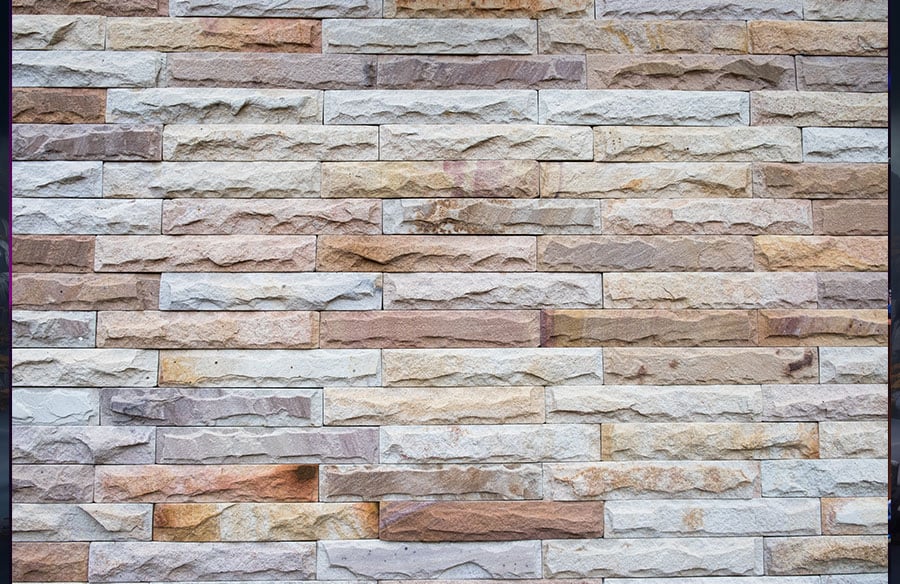
The material comes in various forms, from natural split-face stone that retains its rough, organic texture to precisely cut and honed panels that offer a more contemporary appearance. This versatility allows architects and homeowners to achieve different aesthetic outcomes, from rustic farmhouse charm to sleek modern minimalism, all whilst utilising the same fundamental material.
The Aesthetic Appeal of Sandstone
One of the primary drivers behind sandstone’s growing popularity is its undeniable visual appeal. The material offers an organic warmth that artificial cladding products struggle to replicate, with natural colour variations ranging from soft creams and beiges to rich browns, reds, and even purples. These colours are not superficial coatings but inherent characteristics of the stone itself, formed by mineral deposits over geological time periods, ensuring that they won’t fade or peel like painted or coated alternatives.
Each piece of sandstone tells its own story through unique patterns, fossil inclusions, and subtle colour gradations. This individuality means that no two sandstone-clad homes are identical, providing homeowners with a distinctive property that stands apart from the uniform appearances often associated with modern housing developments. The textural possibilities are equally diverse, from smooth, refined finishes that catch and reflect light beautifully to rugged, split-face surfaces that create dramatic shadow play throughout the day.
Furthermore, sandstone cladding possesses a timeless quality that transcends architectural trends. Whilst contemporary materials may appear dated within a decade or two, sandstone maintains its appeal across generations. This temporal versatility makes it an excellent investment for homeowners concerned about long-term property value and aesthetic longevity.
Practical Benefits and Performance
Beyond its visual merits, sandstone cladding offers substantial practical advantages that contribute to its increasing adoption in new construction projects. The material demonstrates excellent weather resistance, having naturally evolved to withstand centuries of environmental exposure. High-quality sandstone exhibits low water absorption rates and resists freeze-thaw cycling, making it particularly suitable for the British climate with its frequent temperature fluctuations and precipitation.
Thermal performance represents another significant benefit. Sandstone possesses natural insulating properties, helping to regulate internal temperatures by absorbing heat during the day and releasing it gradually during cooler periods. When combined with modern insulation systems, this characteristic can contribute to improved energy efficiency and reduced heating costs—an increasingly important consideration for environmentally conscious homeowners and those facing rising energy prices.
The material also requires minimal maintenance compared to many alternatives. Unlike timber cladding, which requires regular treatment and painting, or rendered surfaces that may crack and need repair, properly installed sandstone cladding can last for decades with little more than occasional cleaning. This low-maintenance characteristic translates to reduced long-term costs and fewer disruptions to homeowners.
Additionally, sandstone is non-combustible, providing enhanced fire resistance compared to timber or synthetic cladding materials. This safety aspect has gained particular attention in recent years, with building regulations increasingly emphasising fire safety standards in residential construction.
Environmental and Sustainability Considerations
In an era of heightened environmental awareness, the sustainability credentials of building materials have become paramount in construction decisions. Sandstone cladding offers several ecological advantages that align with contemporary green building practices. As a natural material, it requires no synthetic manufacturing processes involving harmful chemicals or significant energy consumption. The production of sandstone cladding primarily involves quarrying and cutting—processes with relatively modest environmental footprints compared to the manufacture of concrete, brick, or synthetic cladding products.
The material’s longevity further enhances its environmental credentials. With a lifespan potentially measured in centuries rather than decades, sandstone cladding reduces the need for replacement and the associated waste generation. At the end of its service life, sandstone can be reused, recycled, or safely returned to the environment without releasing toxic substances.
Many UK sandstone quarries also operate under strict environmental regulations, implementing rehabilitation programmes to restore quarried sites to natural habitats. Choosing locally sourced sandstone reduces transportation emissions and supports regional economies whilst connecting buildings to their geographical context—a principle valued in sustainable design.
Furthermore, sandstone’s thermal properties contribute to reduced energy consumption for heating and cooling, lowering a home’s operational carbon footprint throughout its lifetime. This ongoing efficiency benefit often outweighs any initial environmental costs associated with quarrying and transportation.
Cost Considerations and Value
When evaluating sandstone cladding for new construction, understanding the cost implications is essential. Initial material and installation costs for sandstone cladding typically exceed those of alternatives such as brick, render, or synthetic materials. High-quality sandstone can represent a significant upfront investment, particularly when factoring in the skilled labour required for proper installation.
However, this initial expense should be viewed within a broader economic context. The exceptional durability and minimal maintenance requirements of sandstone mean that lifecycle costs—the total expenditure over the material’s lifespan—can actually be competitive with or even lower than cheaper alternatives that require regular maintenance, treatment, or replacement. Homeowners won’t face the recurring costs of repainting, re-rendering, or replacing deteriorated cladding that often accompany other materials.
Property value represents another crucial consideration. Homes featuring natural stone cladding typically command premium prices in the property market, with buyers willing to pay more for the perceived quality, character, and prestige associated with stone construction. This enhanced resale value can offset or even exceed the initial investment, making sandstone cladding not merely an expense but a genuine investment in property value.
For developers and builders, incorporating sandstone cladding can differentiate their properties in competitive markets, appealing to discerning buyers seeking distinctive, high-quality homes. This market positioning advantage can translate to faster sales and improved profit margins.
Installation and Technical Considerations
The successful implementation of sandstone cladding requires careful planning and skilled execution. Modern installation techniques typically involve mechanical fixing systems or adhesive methods, with the specific approach depending on the substrate, stone thickness, and architectural requirements. Proper installation must address several critical factors, including adequate ventilation behind the cladding to prevent moisture accumulation, appropriate expansion joints to accommodate thermal movement, and secure fixing systems capable of supporting the stone’s weight.
Engaging experienced professionals familiar with natural stone installation is essential. Whilst the principles may seem straightforward, numerous technical details—from substrate preparation to joint finishing—significantly impact the long-term performance and appearance of the cladding. Building regulations compliance, particularly regarding structural loading, fire safety, and thermal performance, must also be carefully addressed.
Architects and designers must consider the integration of sandstone cladding with other building elements, including windows, doors, rooflines, and corners. Thoughtful detailing in these junctions ensures both aesthetic coherence and weathertight performance. The availability of matching accessories, such as coping stones, sills, and quoins, facilitates comprehensive design solutions that maintain visual consistency throughout the project.
Future Trends and Innovations
The sandstone cladding sector continues to evolve, with innovations enhancing both performance and application possibilities. Advanced cutting technologies now enable the production of larger panels with precise dimensions, facilitating faster installation and more contemporary aesthetic expressions. Thinner stone panels, engineered for lighter weight whilst maintaining durability, expand the range of suitable substrates and reduce structural loading requirements.
Digital design tools allow architects to visualise sandstone applications with unprecedented accuracy, helping clients appreciate how different stone varieties, colours, and laying patterns will appear in their completed homes. This technology reduces uncertainty and facilitates more confident design decisions.
Increasing attention to provenance and traceability reflects broader consumer trends toward ethical and transparent supply chains. Forward-thinking suppliers now provide detailed information about stone origins, quarrying practices, and environmental impacts, enabling informed choices aligned with personal values.
The integration of sandstone with other materials—including glass, metal, and timber—demonstrates the material’s versatility in contemporary architectural expressions. Rather than being confined to traditional applications, sandstone increasingly appears in striking modern designs that celebrate the contrast between natural and manufactured materials.
Conclusion
The growing popularity of sandstone cladding in new home construction reflects a broader cultural shift toward valuing authenticity, durability, and environmental responsibility in the built environment. This ancient material has successfully adapted to contemporary construction practices, offering a compelling combination of timeless beauty, practical performance, and sustainable credentials that resonate with modern homeowners and builders alike.
As construction costs rise and environmental concerns intensify, the long-term value proposition of sandstone cladding becomes increasingly attractive. Its ability to enhance property values, reduce maintenance requirements, and create distinctive architectural statements positions it as more than merely a decorative choice—it represents a thoughtful investment in quality, longevity, and aesthetic distinction.
For those embarking on new construction projects, sandstone cladding deserves serious consideration. Whether seeking to create a contemporary masterpiece that honours natural materials or a traditional design rooted in architectural heritage, sandstone offers unparalleled possibilities for creating homes that will be admired and enjoyed for generations to come.