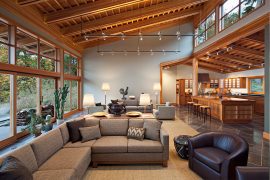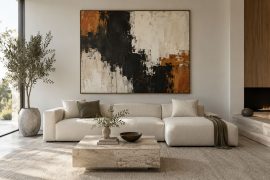
Choosing the right flooring is one of the most impactful design decisions you will ever make for your home, as wood floors bring natural warmth, distinctive character, and enduring value to any space. Navigating the countless options can feel overwhelming, but this comprehensive guide breaks down the most sought-after wood species available on the market today. You will discover their unique aesthetic qualities, learn about their relative durability, and see real use cases that will help you match the perfect wood to your specific lifestyle, ensuring your floors look beautiful and perform flawlessly for decades to come.
Understanding the Foundation of Wood Floors
With so many options on the market, understanding the different types of hardwood is essential for a successful renovation. Hardness, grain pattern, and color variation all play a critical role in how a floor will handle daily wear and tear. A helpful measurement to know is the Janka hardness scale, which rates the dent resistance of wood. While numbers vary slightly based on the specific harvest, understanding relative hardness helps you make an informed decision. For example, some woods easily resist scratches from energetic pets, while softer varieties might require gentler treatment.
By looking closely at the characteristics of each species, you can select a floor that fits your aesthetic vision and your daily routine.
Popular types of hardwood for Your Home
Homeowners often gravitate toward a few tried-and-true species. These woods offer a reliable balance of beauty, availability, and durability.
Oak: The Timeless Favorite
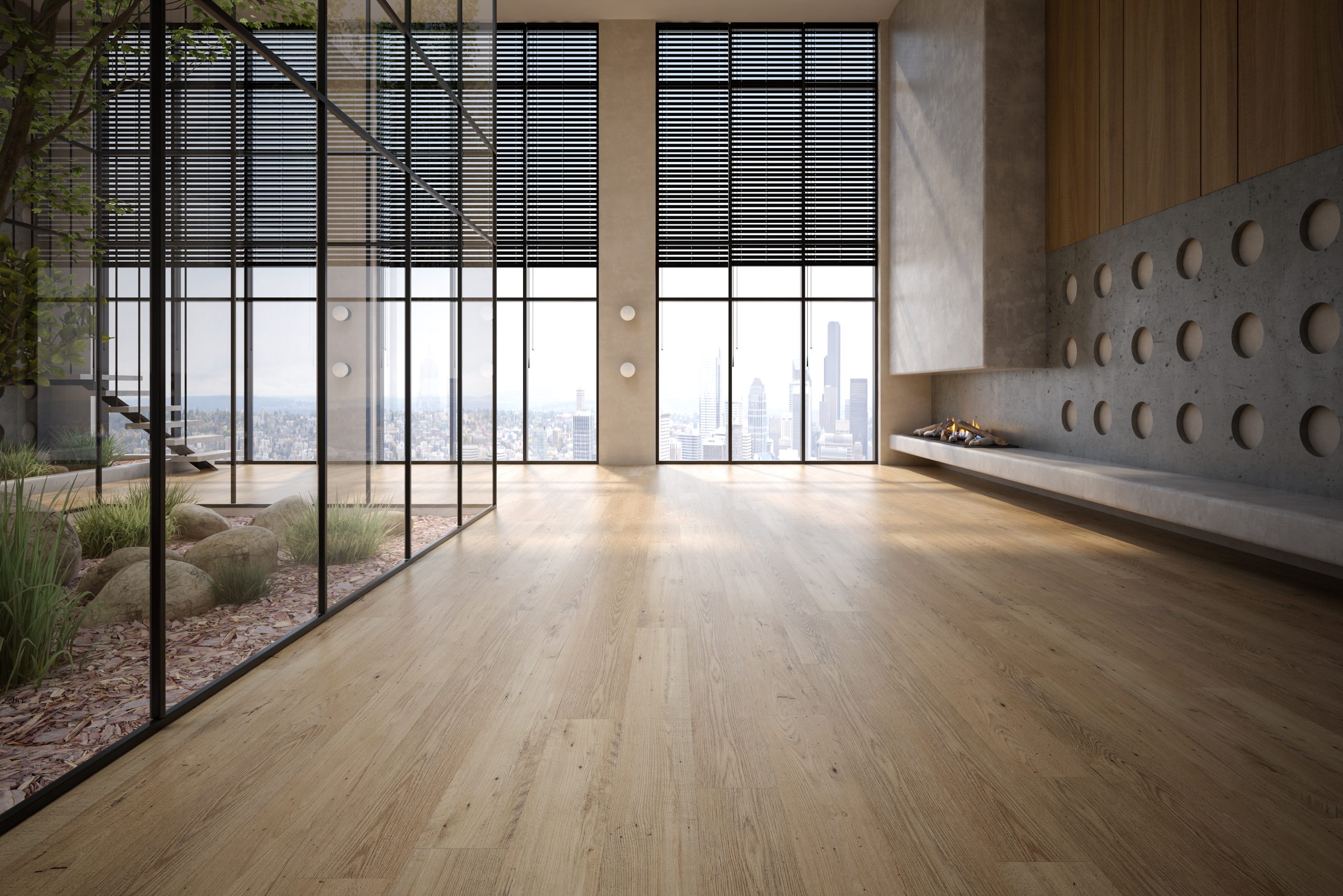
Renowned for its strength, natural moisture resistance, and versatility, oak remains one of the most sought-after choices for flooring. White oak, which has a Janka hardness rating of around 1,350 lbf, holds up exceptionally well to heavy foot traffic. Its versatile tone and gentle grain make it suitable for both traditional and contemporary interiors. Because oak takes stains beautifully, you can find it in a wide range of finishes, from soft, pale hues to rich, dark shades.
Maple: Bright and Modern
With its light color and smooth, even grain, maple lends a bright, fresh feel to any space. Hard maple boasts an impressive Janka rating of around 1,450 lbf, making it incredibly resilient. Its clean surface reflects light beautifully, which helps open up smaller rooms or spaces with limited natural sunlight. Maple works equally well in classic homes and minimalist, modern interiors.
Hickory: Exceptionally Tough
If you need a floor that can survive almost anything, hickory is the answer. Celebrated for being exceptionally tough and hard-wearing, hickory features striking color contrasts and a bold, rustic grain pattern. It easily handles the chaos of family homes and busy spaces where longevity and style are equally important.
Ash and Cherry: Character and Warmth
Ash combines strength with a highly pronounced grain, adding a touch of natural movement and texture to interiors. Its pale tone balances style and practicality with ease. Cherry, on the other hand, is cherished for its warm, reddish-brown tone that actually deepens and matures with age. Its fine grain and glowing color bring an inviting sense of sophistication and a welcoming luxury to any room.
Walnut: Rich and Luxurious
Walnut stands out immediately thanks to its rich chocolate-brown color and straight, refined grain. It brings immense depth to any room, creating a sense of understated luxury. While slightly softer than oak or maple, walnut offers incredible stability and timeless appeal. It serves as a stunning anchor for statement living spaces where visual impact is the primary goal.
 Exotic and Unique Wood Species
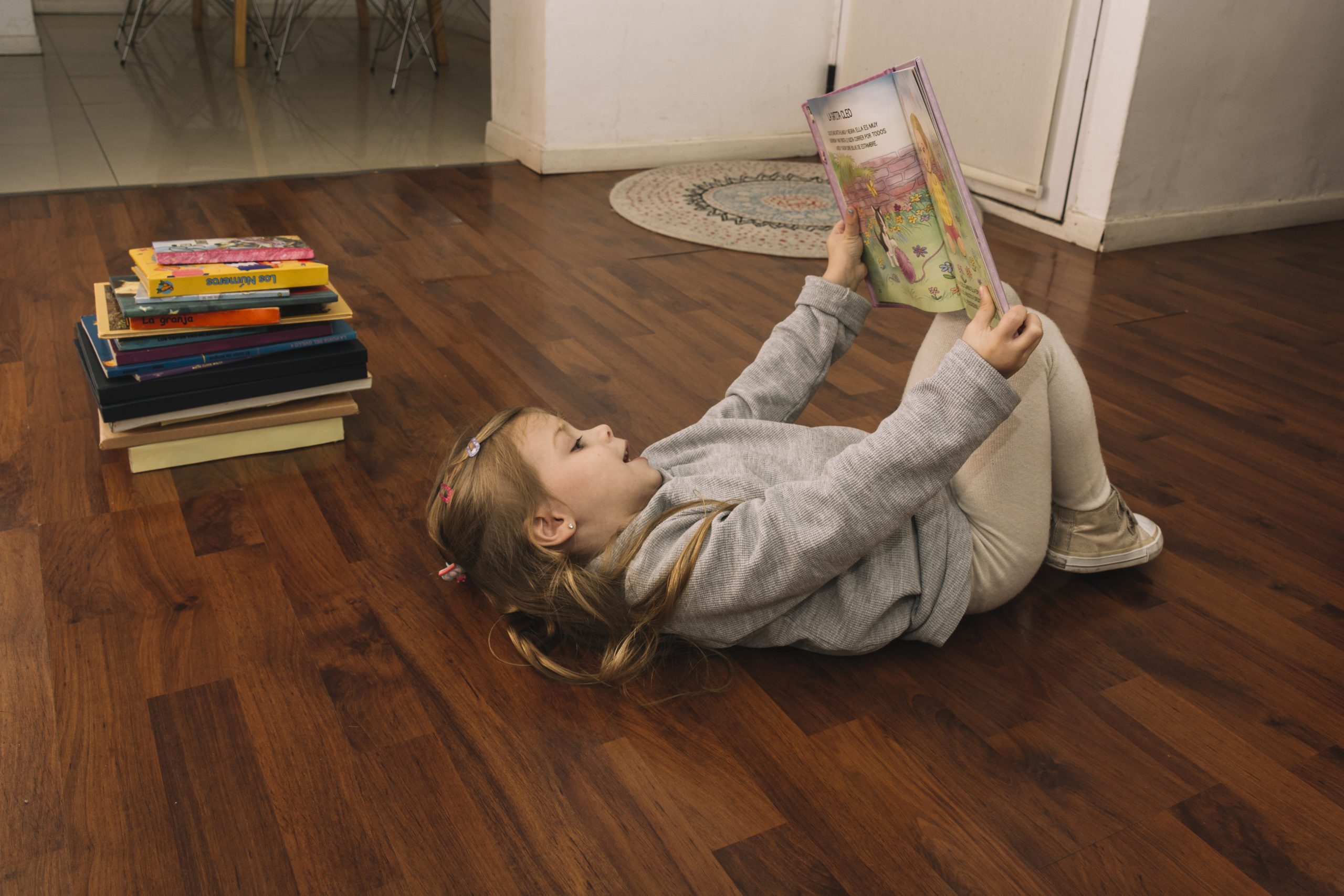
Sometimes a standard domestic wood does not quite fit your design goals. Exploring exotic types of hardwood opens up a world of dramatic colors, intense densities, and distinct textures.
Merbau and Wenge: Deep Tones and High Density
Known for its deep reddish-brown tones and exceptional durability, merbau is a highly dense hardwood. It performs beautifully in demanding spaces, bringing a sense of warmth and confidence to high-traffic areas. Wenge offers an even more dramatic look. Striking for its deep, near-black color and linear grain, wenge creates a bold, architectural aesthetic. It is exceptionally hard, making it ideal for statement spaces where you need both major visual impact and high durability.
Birch, Beech, and Poplar: Soft and Subtle
For a calmer aesthetic, light-colored woods like birch and beech provide a smooth, uniform texture. Birch offers a calm, neutral foundation with subtle graining, while beech adds a soft pinkish tint that creates a welcoming, balanced harmony. Poplar is a lighter, softer hardwood. It is very easy to work with and is ideal for painted finishes or subtle, minimalist designs where the floor should not overpower the room.
Teak and Iroko: Moisture Resistance
Famed for its golden-brown hue, teak offers remarkable natural moisture resistance. It is often used for premium flooring and even outdoor applications due to its lasting beauty and reliability. Iroko presents a sustainable alternative to teak. This tropical hardwood features a golden-brown tone that deepens over time, offering exceptional durability and organic character.
 Real Use Cases: Matching Wood to Your Room
Selecting the right material requires matching the physical properties of the wood to the specific demands of the room. Here is how different species perform in real-world scenarios.
High-Traffic Areas: Hallways and Kitchens
Hallways and kitchens see the most action in any home. Dropped pots, heavy boots, and scampering pets require a floor that fights back against dents and scratches.
- The Best Choices: Hickory, hard maple, and white oak.
- The Reason: These dense woods boast high Janka hardness ratings. They resist gouges from dropped items and handle heavy foot traffic without showing premature wear. Merbau is also an excellent exotic option for these demanding spaces.
Cozy Living Spaces: Living Rooms and Dens
Living rooms are the heart of the home. They see moderate traffic but serve primarily as spaces for relaxation and entertaining. Aesthetic appeal often takes priority here.
- The Best Choices: Walnut, cherry, and mahogany.
- The Reason: The rich, dark tones of walnut and mahogany ground large rooms and add instant elegance. Cherry’s warm glow makes cozy spaces feel even more inviting. Because these areas usually feature area rugs and less abrasive foot traffic, these slightly softer woods perform wonderfully.
Bright and Airy Spaces: Bedrooms and Home Offices
Bedrooms and home offices benefit from a calm, distraction-free environment. Light and neutral tones help establish a peaceful atmosphere.
- The Best Choices: Ash, birch, beech, and poplar.
- The Reason: The pale tones of ash and birch reflect natural light, making smaller bedrooms feel expansive. The uniform texture of beech creates a harmonious, clean look that works perfectly for a focused home office environment.
Statement Architecture: Modern and Minimalist Homes
When the floor needs to be a primary design feature, standard grains might not deliver the visual punch required.
- The Best Choices: Wenge and elm.
- The Reason: Wenge’s near-black color and dramatic linear grain create a stark, beautiful contrast against white walls and modern furniture. Elm provides interlocking grain patterns that bring organic movement and distinct individuality to bespoke architectural projects.
Ready to Transform Your Floors?
Selecting the perfect floor is about finding the ideal balance between style, function, and personality. By understanding the distinct qualities of these beautiful wood species, you can confidently choose a material that fits your lifestyle. If you want to explore these textures and tones in person, request free samples or view the extensive wood flooring collection at The Natural Wood Floor Company to bring enduring beauty to your home today.