Home design used to mean weeks of meetings, expensive revisions, and sketches that never quite matched what you had in mind. You’d describe a feeling to a designer, wait two weeks for a first draft, and then spend another month narrowing the gap between what they drew and what you actually wanted. AI tools are changing that. They put professional-grade design within reach of homeowners, small contractors, and hobbyists alike—whether you’re redoing one room or rethinking the whole house.
Take Home Design AI.
Unlike CAD programs that demand an architecture background and hours of training, this platform meets you at your skill level. You don’t need to memorize material codes or learn how to render lighting effects from scratch. Describe what you want, upload a photo of your current space, or trace a rough floor plan—and it generates polished design concepts in minutes. Small contractors like it too, since they can produce client-ready ideas without overloading a thin creative team or outsourcing every visual.
Floor plans in minutes, not days
The AI floor plan generator is especially practical. Snap a photo of a room or upload messy hand-drawn measurements, and it produces a clean, dimensionally accurate layout you can edit in real time. The old way meant measuring every wall by hand, marking door and window placements, double-checking outlet positions, and redrawing the whole thing whenever you found an error. Now you can try different furniture arrangements, check traffic flow, and see how much space remains after adding storage—before buying any materials. It catches the expensive mistakes, like a sofa that won’t fit through the front door or a kitchen island that blocks the fridge.
Designing for mood, not just looks
Once the layout is set, AI interior design handles the mood. Tell it you want a warm, quiet space for evenings—or something bright and energizing for hosting—and it builds full room concepts around that tone, including colors, materials, lighting, and decor. It draws on established styles from mid-century modern to bohemian eclectic, and can even blend them into something no pre-made template could produce. You stop settling for designs that almost fit, or compromising on small details that actually matter to how you feel in a room.
The iterative process feels different
Instead of waiting days or weeks for a revised draft, you ask for softer blue walls, a lighter coffee table, or more plants in the corner—and get the change in seconds. You can cycle through dozens of variations in an afternoon. That speed makes it safe to experiment with ideas you’d never ask a traditional designer to explore, because there’s no hourly bill or revision limit hanging over you. Some of the best results come from those casual detours—designs you stumble on rather than plan for.
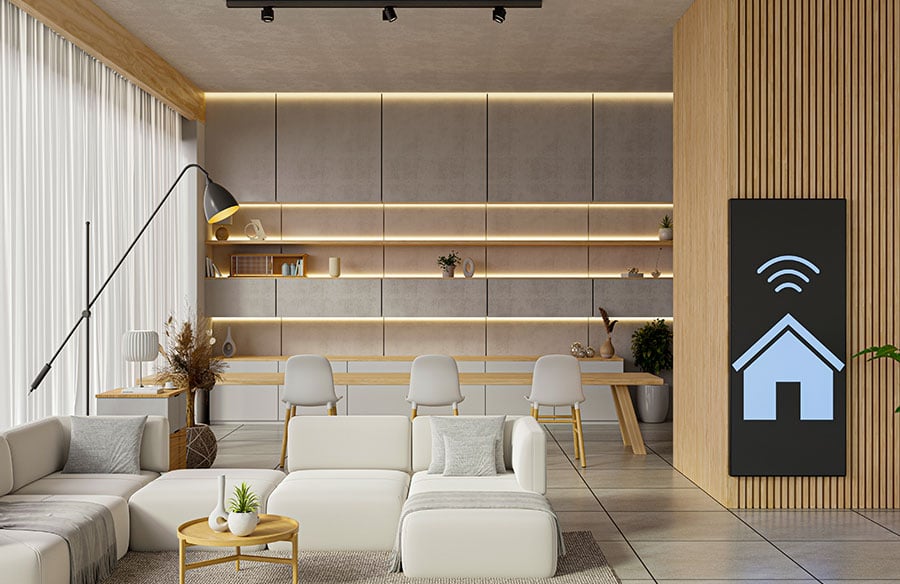
The living room is where AI design really earns its keep.
It knows this space is the social heart of the house, where family gathers after long days and friends show up on weekends—not just something that looks good in a photo. If you have young kids, it suggests stain-resistant fabrics and leaves open floor space for play. If you host often, it builds flexible seating that expands for dinner parties and contracts back into a cozy layout for weeknights. If you work from home part of the time, it can tuck an ergonomic work nook into a corner without breaking the room’s visual flow. The suggestions are rooted in how you actually live, not what’s trending this season.
Beyond four walls
Good design doesn’t stop at the back door. Backyards are tricky because every one is different—varying sizes, slopes, sunlight, and what you actually want to use the space for. Traditional landscape planning often struggled to account for all these variables efficiently. AI can process your property dimensions and local climate to generate layouts that maximize every square foot, from multi-level patios and shaded pergolas to native plant beds and vegetable gardens. You can even see how each element changes across the seasons, so you’re not surprised when a deciduous tree leaves your patio bare in winter.
Garden design is where AI saves you from the most frustrating mistakes.
Too many people buy plants that look great at the nursery, only to watch them die in the local winter or demand hours of specialized care they don’t have time for. AI recommends species that fit your climate, sunlight, and maintenance tolerance, then arranges them for sequential blooms from early spring through late autumn. It groups plants with similar water needs to make irrigation more efficient, and can suggest pollinator-friendly varieties that bring butterflies and birds into the yard. You end up with a garden that looks good on day one and grows healthier and more vibrant with every passing year.
Landscape design as a whole has been rethought.
A solid plan does more than place pretty plants around your property—it manages water runoff to prevent flooding after heavy rains, picks materials that survive heavy foot traffic without cracking, creates shade that naturally lowers summer cooling bills, and carves out quiet nooks that feel like a sanctuary away from street noise. AI balances all these overlapping factors at once, weighing environmental sustainability, long-term durability, and visual beauty in a way that would take a human team weeks of research and calculation. The result is a yard that looks good and works hard, season after season.
The biggest advantage is that everything connects.
You don’t need one tool for floor plans, another for interiors, and a third for the backyard—they share the same vision, so the style you pick for the living room flows naturally out to the patio, and exterior paint colors complement the plant choices in the landscape. In the old, fragmented workflow, different specialists handled different pieces and the results often clashed. Now you hold the unified creative vision from the first rough sketch to the final finishing touches, and AI acts as a flexible assistant that helps you bring it to life.
Home design is becoming less of a top-down profession and more something anyone can participate in. You don’t need a huge budget, years of training, or a team of specialists to build a space that feels uniquely yours, functions for your daily life, and makes you happy to walk through the door. These tools let you experiment freely—whether you’re tackling a full multi-room renovation, refreshing a single tired living space, or just daydreaming about a garden you might build someday. The point isn’t to replace human creativity. It’s to give it room to move.