A quiet shift can be noticed when a property begins to feel complete. It is not always caused by a large renovation or a dramatic feature that demands attention. More often, the difference is created by small outdoor details that slowly shape the mood of a space. A stone pathway, a shaded sitting area, or a carefully placed border can change how a home is experienced from the street and from inside the yard. Those blink-and-you-miss-it touches are usually what people remember most.
Outdoor areas have started to be treated as extensions of daily living rather than forgotten corners that are only seen during weekend chores. That change has encouraged homeowners to think beyond plain grass and simple fencing. Texture is being layered. Lighting is being softened. Materials are being mixed in a way that feels relaxed and lived-in. The result is a more inviting setting that carries personality without looking forced.
A thoughtfully-built outdoor area also creates comfort in subtle ways. Evening conversations become easier to enjoy and quiet mornings feel calmer. Have you ever noticed how certain homes seem welcoming before a word is spoken? Much of that feeling is often shaped outside the walls.
Green Spaces That Feel Alive
The condition of the lawn often sets the tone for the entire property. Even when decorative features are added, attention is usually pulled toward the grass because it frames everything around it. Bare patches and uneven color can make outdoor areas feel unfinished while healthy turf creates a cleaner visual rhythm. When fresh sod is being considered, the DIY route can become a costly mistake. Homeowners should work with a reliable sod installation company because poor workmanship can leave the yard looking uneven and difficult to maintain.
Proper preparation is often overlooked although it affects drainage, root development, and long-term appearance. A smooth foundation allows the lawn to settle naturally into the rest of the property.
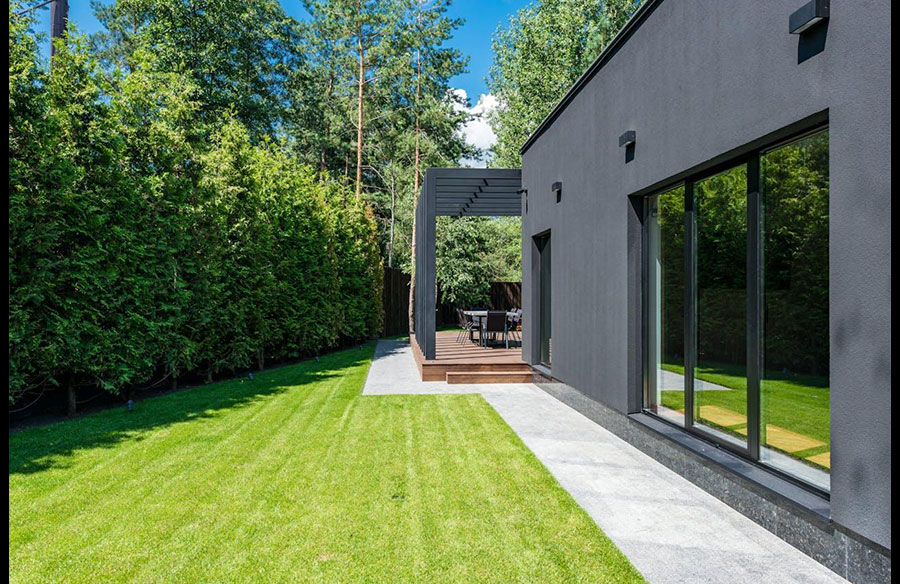
Natural-looking greenery also adds softness around harder materials like brick, gravel, or concrete. A narrow strip of grass beside a walkway can break up visual heaviness and make the space feel lighter. In one example, a small backyard patio surrounded by deep green turf appeared larger because the edges were softened instead of boxed in with hard surfaces. That kind of balance is often appreciated more than oversized features.
Layered planting can also create movement. Taller shrubs near fences and lower greenery near pathways help the eye travel through the space without interruption. Simple additions can carry surprising impact when they are arranged with care.
Lighting That Changes The Mood After Sunset
Outdoor lighting is often treated as an afterthought although it shapes the atmosphere more than many people expect. During the evening, the property begins to rely on shadows and highlights rather than color alone. Warm lighting placed near pathways or garden edges can make the space feel calm instead of harsh.
Different lighting styles can be used for different moods:
- Soft pathway lights can guide movement without drawing too much attention
- Wall-mounted fixtures near entrances create a welcoming glow
- String lighting above seating areas adds a relaxed social feeling
- Low garden lighting can highlight texture around stone and plants
The goal is usually not brightness. A softer approach often creates more character because details are revealed gradually. Sharp white lighting may feel cold in outdoor settings while warmer tones tend to blend naturally with wood, greenery, and stone.
Paths, Patios, And Surfaces With Personality
Ground surfaces are constantly experienced although they are rarely discussed. Walkways, patios, and stepping stones guide movement while quietly shaping the character of a property. Texture underfoot changes how outdoor spaces are perceived.
Natural stone often creates an aged appearance that feels settled into the property. Brick can introduce warmth while poured concrete offers a cleaner and more modern feel. Each material changes the mood differently depending on how it is arranged.
Curved pathways tend to feel more relaxed because movement is slowed visually. Straight lines create structure and sharper definition. In one residential courtyard example, irregular stone pavers were spaced with grass between them which softened the overall appearance and reduced the rigid feel that fully paved areas sometimes carry.
Seating areas also deserve attention. Built-in benches, low retaining walls, and shaded corners encourage people to remain outdoors longer. A property gains personality when spaces are designed for actual use instead of appearance alone.
Covered patios have become particularly popular because they allow outdoor areas to be enjoyed in changing weather. Shade structures can also frame a backyard beautifully without making it feel enclosed. Materials such as wood beams or dark metal accents often introduce contrast that keeps the space visually interesting.
Small Details That Quietly Pull Everything Together
The strongest outdoor spaces are rarely overloaded with decorative features. Instead, smaller details are repeated thoughtfully until the property feels connected from corner to corner. This is where ideas related to universality in design become valuable because outdoor areas should feel comfortable and accessible without losing style.
Planters, borders, and edging materials can create subtle continuity throughout the property. Matching tones between outdoor furniture and nearby surfaces also help everything feel intentional. Repetition creates rhythm and rhythm creates calm visual flow.
Water features are another detail that can influence the atmosphere without dominating the space. A compact fountain placed near a seating area may introduce gentle background sound that softens nearby street noise. The feature does not need to be large to be effective.
A Property Feels Different When Character Is Built Outside
Outdoor design has moved beyond appearance alone. Comfort, texture, and atmosphere are now being valued just as much as curb appeal. The most inviting properties are often shaped through smaller choices that work together naturally rather than oversized additions meant to impress immediately.
Healthy greenery, carefully placed lighting, textured walkways, and thoughtful details can completely change how a property feels from day to day. Those features create outdoor areas that encourage people to slow down, gather, and enjoy the setting around them.
Character is rarely created through perfection. It is built through balance, restraint, and spaces that feel genuinely lived in. When outdoor areas are designed with that mindset, the property begins to carry warmth that cannot easily be replicated.