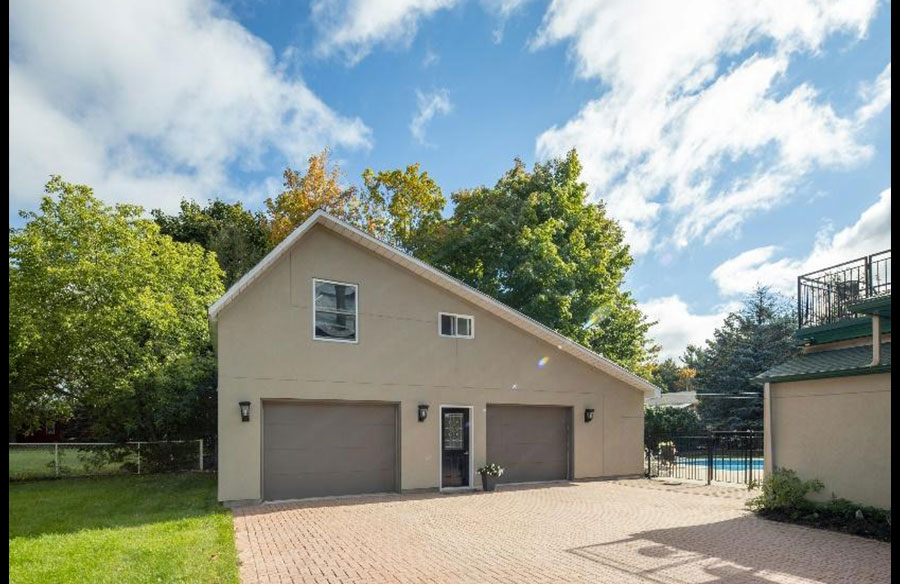
The outside of a house carries the first impression, the kind that sets the tone before anyone even steps through the front door. Across New York, homeowners have been rethinking what curb appeal really means, moving past quick cosmetic touch-ups and leaning into upgrades that genuinely change how a property is perceived.
The shift makes sense because exteriors take the brunt of weather, age, and shifting style preferences, and a tired façade can drag down even a beautifully maintained interior. Modern renovations bring a chance to rewrite that story, blending function with visual impact in ways that feel intentional rather than trendy. From siding choices to lighting layouts, every element plays into a larger composition that defines how the home reads from the street.
Reimagining the Garage as a Design Statement
Garages used to be treated as purely utilitarian spaces, often tucked away or styled as an afterthought. That mindset has shifted considerably, and homeowners now recognize how much visual weight a garage carries on the front elevation. When the door spans a wide portion of the façade, its design choices ripple across the entire exterior aesthetic, influencing proportion, color balance, and material flow. For those exploring upgrades worth investing in, working with Overhead Door Company, NY, opens up options ranging from modern aluminum garage doors to carriage house designs and traditional wood finishes. Material pairing matters here, since matching or contrasting the door with the surrounding siding can dramatically alter how grounded or modern the home feels. Texture also plays a quiet but powerful role, with wood grain finishes offering warmth while flat metal surfaces lean into a sharper, contemporary mood. The result is a façade element that no longer hides in the background but instead anchors the home’s identity.
Siding Choices That Redefine the Façade
Few decisions shape a home’s character as decisively as the siding wrapping it. Newer composite materials have made it possible to mimic natural textures while standing up to harsh seasons, opening doors for homeowners who want the warmth of wood without the upkeep. Vertical board and batten, wide horizontal lap profiles, and mixed material panels have all gained traction because they break up flat surfaces and add depth. Color trends have leaned darker, too, with charcoals, deep greens, and muted navy tones replacing the safe beiges of past decades. Pairing two complementary siding types on different sections of the home creates a layered effect that feels modern without being loud, and it gives the eye something to follow as it scans the structure.
Windows That Reframe the Entire Look
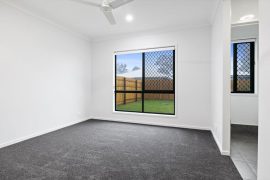
Window upgrades quietly do some of the heaviest lifting in any exterior overhaul. Larger panes, slimmer frames, and black or bronze finishes have replaced the chunky white profiles that once dominated suburban builds, instantly making a home feel more current. Picture windows, fixed transoms, and floor-to-ceiling units bring in light while shifting the entire visual rhythm of the façade. Even the placement and grouping of windows can be reworked during a renovation, allowing for asymmetry that feels intentional rather than random. The right choices make a home look taller, wider, or more grounded, depending on the goal, and they tie together every other material on the exterior. On the interior side, updated window trim and casing can reinforce the effect, giving each opening a finished quality that carries through to the rooms beyond. Energy performance is worth factoring in as well, since double-pane units reduce heat transfer and keep interior temperatures more stable across seasons.
Roofing Updates That Set the Tone
The roof occupies a surprising amount of visible surface, yet it often gets overlooked in conversations about curb appeal. Architectural shingles in deeper tones, standing seam metal panels, and synthetic slate alternatives have all moved into the mainstream, giving homeowners far more visual range than basic asphalt ever offered. A roof refresh can sharpen the silhouette of the home and harmonize with siding and trim choices in ways that feel deliberate. Adding subtle dormers or reworking soffit and fascia details during the same project amplifies the upgrade, turning what could be a maintenance task into a true design moment.
Entryway Upgrades That Welcome Differently
The front entry sets the emotional tone for the entire property, and small adjustments here pay off in big ways. Wider entry doors, glass side panels, and bold paint colors have become signatures of refreshed exteriors, drawing the eye toward the threshold with purpose. Hardware finishes in matte black or aged brass replace the polished chrome look that once felt standard, lending a touch of craftsmanship to the moment of arrival. Surrounding details matter too, with planters, oversized house numbers, and updated porch flooring contributing to a layered welcome that feels personal rather than generic.
Outdoor Lighting That Shapes the Mood
Lighting is the element most homeowners save for last, yet it transforms a façade in ways no daytime upgrade can match. Modern fixtures lean toward clean geometry, with linear sconces, downlight cans, and pathway markers replacing ornate lanterns. Layering ambient, task, and accent lighting creates depth after dark, highlighting architectural lines and softening corners that would otherwise disappear. Smart controls allow scenes to shift throughout the evening, and warm color temperatures keep the atmosphere inviting rather than clinical. A well-lit exterior extends the usable hours of the home’s appearance, making the renovation visible long after the sun goes down.
Landscaping That Frames Everything Else
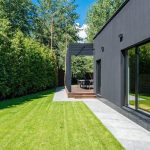
No exterior overhaul feels complete without the landscape that surrounds it. Clean bed lines, structured plantings, and intentional negative space have replaced the overcrowded foundation rows of older designs. Native grasses, layered shrubs, and a single specimen tree can do more for curb appeal than a packed garden bed ever could. Hardscape elements like wide stone walkways, low retaining walls, and gravel borders introduce permanence and structure, anchoring the home in its setting. The landscape becomes the frame that lets every other renovation choice breathe and stand out.