When designing or renovating a home, small architectural details can significantly influence the final look. One of the most impactful yet understated elements is the skirting board. Positioned at the base of your walls, it frames the room, protects surfaces, and ties together flooring and wall finishes.
But when it comes to choosing between modern and traditional styles, which works best? The answer depends on your interior theme, proportions, and the atmosphere you want to create.
Understanding Modern Skirting Board Styles
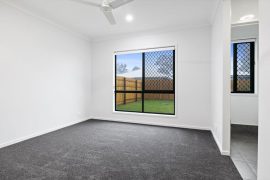
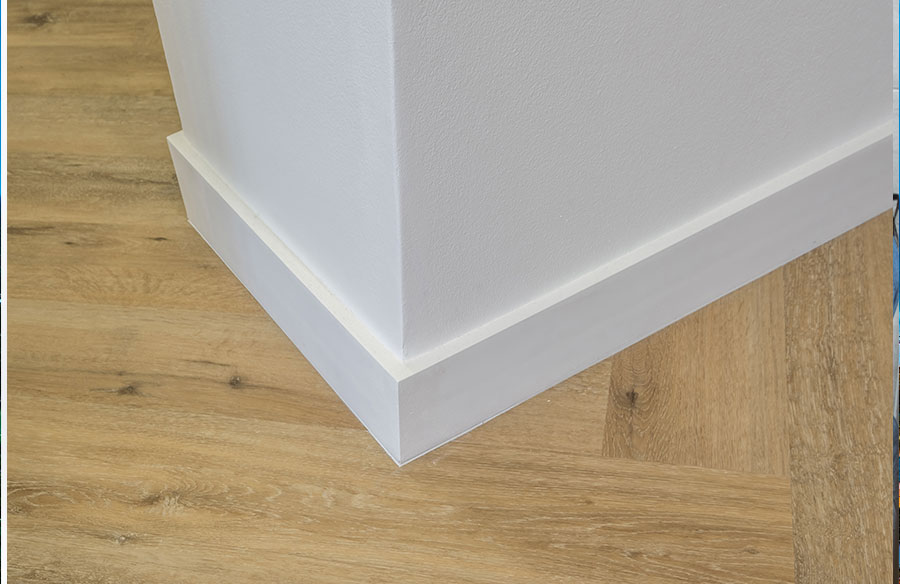
Modern interiors prioritize clean lines, simplicity, and minimal detailing. A contemporary skirting board typically features a square or slightly rounded edge with minimal decorative profiling. The design is subtle and functional, blending seamlessly into the wall.
These styles work especially well in minimalist homes, apartments, and open-plan spaces. When painted to match the wall, a modern skirting board can create a streamlined look that makes rooms feel larger and less visually cluttered. It’s ideal for those who prefer understated elegance and simplicity.
The Appeal of Traditional Skirting Designs
Traditional styles, on the other hand, focus on detail and character. Decorative curves, stepped profiles, and ornate edges are common features. A traditional skirting board often complements period homes, Victorian properties, and classic interiors where architectural detail plays a central role.
These designs add depth and sophistication to a room. They work particularly well in spaces with higher ceilings, decorative moldings, and formal design elements. Rather than blending in, a traditional style enhances the room’s architectural identity.
Proportion and Ceiling Height Matter
The choice between modern and traditional isn’t just about style; proportion plays a major role. In rooms with standard ceiling heights, slimmer and simpler profiles often feel more balanced. In contrast, taller ceilings can support a more substantial and decorative skirting board without overwhelming the space.
Matching the board’s height and thickness to the room’s scale ensures visual harmony. A heavy, ornate profile in a small room may feel excessive, while a very minimal design in a grand space might look underwhelming.
Which One Works Best for Your Home?
Ultimately, the right skirting board style depends on your overall interior direction. If your home embraces modern furniture, neutral palettes, and clean finishes, a contemporary profile will likely work best. If your space features classic design elements, intricate moldings, or a heritage aesthetic, a traditional style may feel more cohesive.
Both options offer practical protection for walls and help create a polished finish. The key is consistency. Your skirting board should feel intentional, complementing the room rather than competing with it.
In the end, modern styles deliver simplicity and subtlety, while traditional designs offer character and architectural charm. Choosing the one that aligns with your space will ensure a balanced and visually appealing interior.