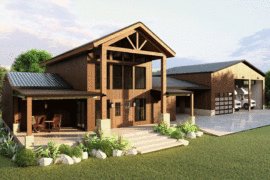
Construction projects range in their magnitude, objective, location, and longevity. The material used for the repair of a small house would differ from that used for an extension of a building, an outdoor building, or any commercial construction project. Selection of materials on the basis of actual needs of the project will save money as well as will help in avoiding difficulties at the time of construction. It is wise to keep the following things in mind before buying any material.
Choosing Materials for Exterior Projects
The exterior construction needs building materials which are capable of enduring different weather elements. The roof, sidings, decks, fencing, and other structural components are subjected to rains, snow, winds, and solar energy for years. Therefore, the choice of building supplies needs to be done according to the ability of these materials to endure the environmental factors found locally. A material that functions well inside may be unsuitable for exterior usage.
In addition, exterior buildings need attention regarding interaction of the building materials with the surroundings. The deck or patio is needed to be constructed with the materials which are moisture resistant and strong enough to endure regular usage. If some furniture items are going to be used outdoors, then the surroundings must be built of materials that can endure this kind of activity without much maintenance issues.
Selecting Materials for Interior Construction
In interior construction, the considerations include comfort, appearance, insulation, and durability for everyday use. The choice of materials to use in the wall and ceiling structures should reflect on the room and the general building structure as a whole. Rooms like kitchens and bathrooms would need to have materials that can cope with moisture better, compared to the living rooms which give more options. Finishing materials also need to fit in with the room’s overall look, whether it is a remodeling or renovation project.
Another thing that affects the choice of finishing materials is the purpose of the room. In high traffic rooms, easy to maintain finishes might be a consideration. Comfort and appearance are considered in quieter areas such as bedrooms. Flooring, molding, drywall and paint should be chosen depending on the room’s use.
Considering Structural Requirements
Structural considerations include the importance of strength, stability, and compatibility. Materials used in construction framing, fastening, insulation, roofing, and support have to complement each other based on the demands of the building project being executed, whether it be outdoor furniture or house renovations. Choosing materials that seem to be ideal can pose difficulties when such materials fail to conform to specifications.
The scale of the project can also influence choice of materials. A bigger building may require stronger materials that can withstand heavier loads and environmental conditions, whereas a smaller building may call for less of the usual materials. Accurate measurement and installation considerations can help save money by avoiding the waste of inappropriate materials.
Planning Purchases Before Construction
It is good material planning that should begin even before the construction commences. Listing down of the materials needed in terms of quantities and measurements will ensure that the purchase of those materials becomes much easier. The process might become much easier when comparing different products based on their qualities, compatibility, maintenance, and prices.
Construction demands may vary as construction takes place. Nonetheless, the process of planning can form a good basis for such changes to occur. Each of the materials used during the construction process should be chosen bearing in mind the immediate use as well as the future. When materials are chosen bearing all this in mind, the process of construction becomes much easier.
Selection of appropriate material depends on more than selecting items according to aesthetics and cost considerations alone. Interior and exterior constructions will have different requirements, while structural works call for close consideration of strength and compatibility. Taking into account the intended use of the area, the environment, durability, and specifications prior to the purchase of material is one way of making sound decisions.