The roof is the single largest architectural decision a homeowner makes about resale value, and most sellers underweight it until the appraisal comes back soft. It sets the silhouette from the street, decides how the facade reads in a photo, and carries more visual weight than siding, windows, and landscaping combined. Buyers process it in the first two seconds of a drive-by, well before they open a listing app or step inside. A roof that fits the house tightens every other design choice; a roof that fights the house undercuts them.
That’s why the roof keeps surfacing in resale conversations more than any other exterior element. And it’s why the intuitive fix, swap old shingles for new ones and move on, so often leaves money on the table.
The Problem Buyers See From the Curb
A tired roof does more damage than any other tired thing on the house. Streaked shingles, mismatched patches, sagging ridgelines, dated color palettes, they all tell a buyer the home hasn’t been cared for, even when the interior is immaculate. That first impression anchors the price in the buyer’s head, and every room they walk through gets measured against it.
The visual problem drags a financial one behind it. A prospective buyer who suspects a roof replacement is coming will discount their offer by far more than the replacement actually costs, because they’re pricing in uncertainty, disruption, and financing friction. The roof becomes a lever the buyer’s agent uses in every round of negotiation.
Architecture matters here too. A ranch with a shallow hip roof, a colonial with a steep gable, and a contemporary with a low-slope shed each carry different visual expectations. When the material or profile drifts from what the style calls for, the house looks off even to buyers who couldn’t name the reason.
Why a New Roof Alone Doesn’t Fix It
The obvious response is to tear off the old roof, install a new one, and call it done. That approach isn’t wrong but it is incomplete. A fresh roof recovers a meaningful share of its cost at resale, but the return varies widely by material, region, and how well the choice fits the house.
Swap that shingle for a premium standing-seam metal panel on a modest suburban colonial and the math shifts. The material costs more, the visual language reads wrong for the block, and appraisers have thinner comps to lean on. The upgrade is objectively better, and yet it recoups less. Buyers don’t pay for durability they didn’t ask for.
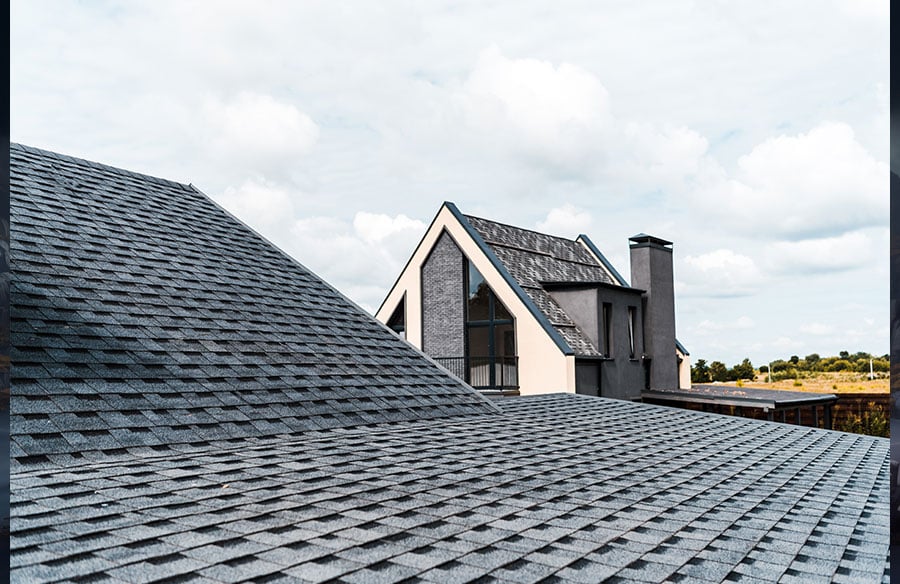
The intuitive fix also misses the parts of the roof buyers actually notice: the drip edge, the fascia, the gutters, the flashing around chimneys and dormers, and the color relationship between shingle and siding. A crisp new field of shingles above a rotted fascia and rusting gutters still reads as a neglected house.
Buyer Psychology Rewards the Whole Picture
Curb appeal is the frame every other selling point hangs on, not the decoration around it. Data from the National Association of Realtors’ Remodeling Impact Report has long shown that agents overwhelmingly consider exterior first impressions decisive in attracting a buyer, and roofing is the largest single element of that impression. A coordinated exterior, meaning roof, siding, gutters, entry, and landscaping working as one, does more for perceived value than any single upgrade in isolation.
This is where working with an expert roofing contractor who also handles siding, gutters, and trim pays off, because the roof decision cascades into every other exterior line. A contractor who treats the roof as a stand-alone product will finish the job and leave the facade half-solved.
Buyers also reward roofs that promise low friction. A transferable material warranty, documented installation, and a recognizable manufacturer all read as reduced risk. That perception of a turnkey house is what turns a solid offer into a competitive one, and it gets built in the details a rushed replacement usually skips.