TL;DR
- Design for Sustainability (DFS) and modularity principles from the electronics sector now dictate modern green building frameworks.
- Advanced semiconductors and IoT sensor networks enable real-time energy optimization and significant carbon reduction.
- Digital Twin technology and Material Passports create a circular economy for structural components and raw materials.
- Specialized technical integration, such as that provided by InTechHouse, illustrates how hardware-driven data facilitates net-zero building operations.
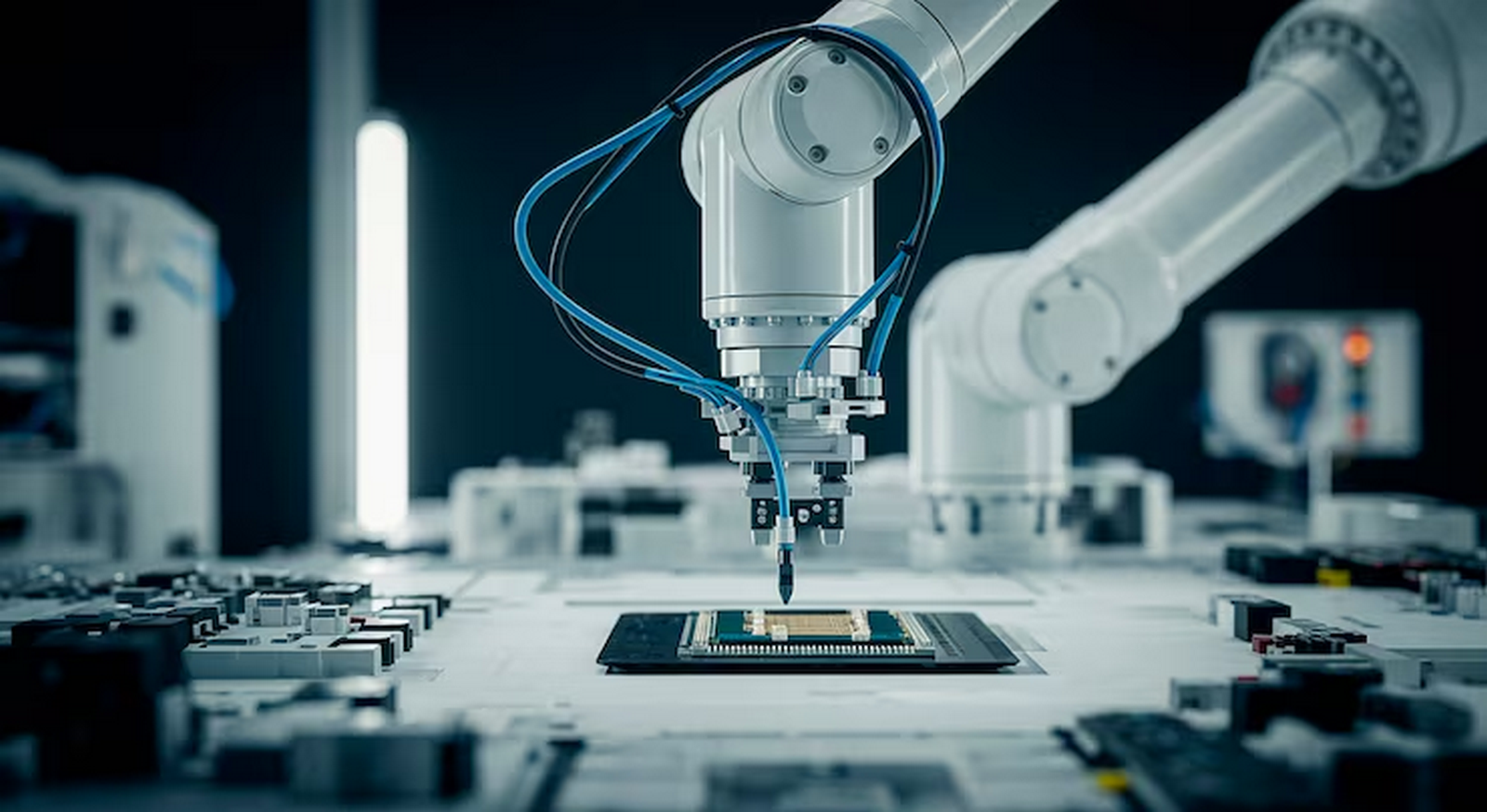 In this guide, you will examine how electronics manufacturing methodologies directly transform sustainable building design. The electronics industry operates on rapid innovation cycles that now dictate modern construction standards. Engineers apply Design for Sustainability (DFS) principles to architectural frameworks to reduce chemical toxicity and energy waste. By integrating high-efficiency semiconductors and modular hardware, buildings transition from static structures into adaptive, resource-efficient platforms. This convergence optimizes structural longevity and operational carbon footprints.
What is Electronics-Infused Sustainable Design?
Electronics-infused sustainable design integrates semiconductor manufacturing principles into large-scale architectural projects. This methodology applies Design for Sustainability (DFS) frameworks to evaluate the environmental impact of every component. Architects treat the building as a complex hardware platform. They embed sensors and microprocessors directly into structural elements to monitor resource consumption. This approach prioritizes low-power consumption and non-toxic materials.
The sector relies on the distinction between PCB design vs hardware design, where InTechHouse’s electronics engineering services cover the full scope from schematic design and signal integrity to production-ready validation. PCB design focuses on the physical layout of circuits, while hardware design encompasses the entire system architecture. Companies like InTechHouse apply these engineering standards to create interconnected building ecosystems. These systems use real-time data to adjust lighting and temperature. This technical synergy minimizes operational waste and extends the functional life of the infrastructure.
How Does Design for Disassembly (DfD) Transfer from Electronics to Architecture?
Electronics manufacturers utilize Design for Disassembly to simplify the recovery of precious metals. This framework now influences sustainable building design through modular logic. Architects create structural sub-assemblies that workers can remove without damaging the primary frame.
Modern buildings incorporate modular cores for HVAC and electrical distribution. This allows property owners to upgrade specific systems as technology advances. Standardized mechanical interfaces mirror the slot-based architecture of computer motherboards. This strategy prevents total building demolition and reduces the volume of construction waste in landfills.
 Material Innovation: From Microchips to Smart Facades
Power electronics manufacturing produces Wide-Bandgap (WBG) semiconductors like Gallium Nitride (GaN). These materials enable the creation of highly efficient power converters. Small, integrated inverters now fit directly into building facades to manage solar energy. This eliminates the need for large, centralized electrical rooms.
Phase Change Materials (PCMs) represent another transfer of technology. Electronics engineers use these to cool high-performance processors. In sustainable buildings, PCMs sit inside wall panels to regulate heat. They absorb thermal energy during the day and release it at night. This process reduces the demand for mechanical cooling and lowers the carbon footprint.
Can IoT Manufacturing Lead to Net-Zero Operational Carbon?
Mass production techniques have lowered the cost of Internet of Things (IoT) sensors. Low-power sensors now monitor carbon dioxide levels, light intensity, and room occupancy. These devices feed data into a central Building Management System (BMS).
Smart sensors eliminate energy waste by adjusting utilities based on real-time demand. Lights deactivate in empty rooms. Ventilation rates fluctuate according to air quality metrics. These automated adjustments reduce energy consumption by significant margins. Predictive maintenance sensors also detect structural fatigue before failures occur. This data-driven approach ensures the building operates at peak efficiency throughout its life.
The Digital Twin Revolution: Borrowing from Electronic Prototyping
Electronic engineers create a virtual prototype before they manufacture a physical chip. Sustainable building design adopts this “Digital Twin” methodology. A Digital Twin is a virtual replica of a physical structure. It uses real-time data to simulate performance under various environmental conditions.
Software models analyze heat distribution and airflow patterns. Designers use these simulations to identify energy leaks before construction begins. Once the building exists, the physical sensors update the virtual model. This continuous feedback loop allows facility managers to test efficiency upgrades in a digital environment first.
Circular Economy: The Material Passport System
Electronics manufacturing focuses on the lifecycle of rare earth elements. This focus created the “Material Passport” concept for the construction industry. A Material Passport is a digital document that lists every substance within a building component.
These passports track the origin and recyclability of materials. If a building undergoes renovation, contractors know exactly which parts contain reusable steel or glass. This system transforms the building into a “material bank.” It treats the structure as a temporary storage site for resources rather than a final destination for waste.
Is Additive Manufacturing the Future of Low-Waste Construction?
The electronics industry moved from subtractive etching to additive printing to save costs. Construction firms now adopt large-scale 3D printing for structural components. Additive manufacturing deposits material only where the design requires it.
This technique reduces raw material consumption by up to 90 percent. 3D printers create complex geometries that optimize natural light and ventilation. These shapes are often impossible to build with traditional wooden forms. Precise material placement also reduces the overall weight of the structure, which lowers the energy required for transport and assembly.
The Future of Hardware-Enabled Sustainability
The partnership between electronics manufacturing and green architecture is essential for global climate goals. Modern buildings serve as high-performance devices that prioritize resource efficiency. Technologies developed for the micro-scale now solve macro-scale environmental challenges.
Sustainable building design depends on the continued integration of smart hardware. As semiconductors become more efficient, the buildings they control become more sustainable. This technological synergy ensures that the next generation of infrastructure is both durable and ecologically responsible.
FAQ
What are Wide-Bandgap semiconductors in green buildings?
Wide-Bandgap semiconductors like Gallium Nitride facilitate highly efficient power conversion in solar inverters and EV chargers. Their high thermal conductivity reduces energy loss and minimizes the size of electrical components.
How does modular electronic design improve building longevity?
Modular design allows for the individual replacement of outdated HVAC or electrical systems without structural demolition. This approach mirrors computer hardware upgrades to extend the total functional life of the property.
What is a Material Passport in sustainable construction?
A Material Passport is a digital inventory that tracks the chemical composition and origin of building materials. This documentation enables the efficient recovery and recycling of resources during future renovations.
How do IoT sensors contribute to net-zero energy goals?
IoT sensors provide real-time data on occupancy and environmental conditions to automate energy savings. These devices allow Building Management Systems to deactivate utilities in unused zones instantly.
Why is additive manufacturing more sustainable than traditional construction?
Additive manufacturing creates structures by depositing material in precise layers to eliminate raw material waste. This process supports complex, biomimetic designs that improve natural thermal regulation.