Lighting plays a vital role in shaping a hotel’s atmosphere, comfort, and overall guest experience. In guest rooms, poor lighting can make everyday activities frustrating or leave a space feeling sterile; in restaurants, the right fixtures help create an inviting atmosphere and enhance the dining experience. From task and bedside lighting to color temperature and energy efficiency, thoughtful choices support functionality while reinforcing a cohesive hospitality brand. This article explores how custom lighting enhances hotel rooms and dining spaces, followed by seven common guest-room lighting mistakes and practical ways to address them.
How Custom Lighting Enhances the Hotel Dining Experience
In hotel restaurants, lighting does more than illuminate tables—it shapes the atmosphere, influences how guests perceive their meals, and sets the tone for the overall dining experience. Soft, warm lighting creates an intimate setting for couples, while brighter illumination makes breakfast areas feel fresh and inviting. By combining ambient, task, and accent lighting, hotels can create distinct moods for different dining spaces while maintaining comfort and functionality.
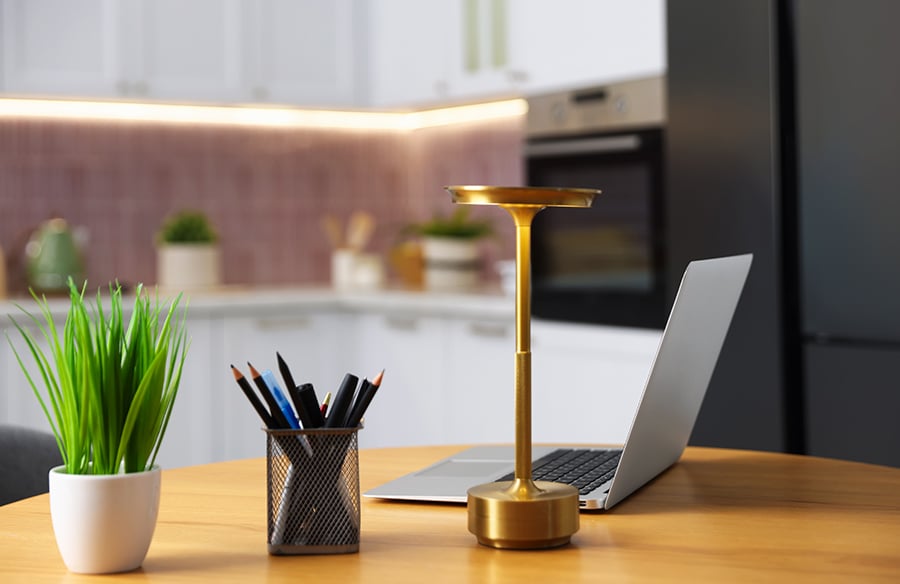
Custom lighting solutions allow hotels and restaurants to match their fixtures to their interior design, brand identity, and service style. For example, cordless table lamps add an elegant glow to dining tables without visible power cords or restrictions on table placement. Adjustable brightness helps restaurants transition from a bright daytime setting to a relaxed evening atmosphere, while accent lighting highlights architectural features and table settings. With bespoke lighting tailored to the restaurant’s layout and aesthetic, hotels can create a cohesive, memorable dining experience that enhances guest satisfaction and strengthens the property’s overall appeal.
Mistake #1: Inadequate Task Lighting
Guests need focused, reliable light for practical moments—reading in bed, applying makeup at a vanity, or catching up on work at a desk. When task lighting is weak or poorly positioned, these everyday activities become frustrating, and the room starts to feel inconvenient rather than indulgent.
The fix is to implement dedicated task lighting with adjustable brightness near every functional zone: desks, vanities, and reading nooks. A custom cordless table lamp manufacturer can help hotels design flexible, battery-powered lamps that guests can reposition freely, giving them full control over their lighting without hunting for an outlet or relying on a single harsh overhead fixture. This kind of guest-controlled flexibility is quickly becoming an expectation in boutique properties aiming to differentiate their rooms.
Mistake #2: Harsh Overhead Lighting Only
Relying solely on a bright ceiling fixture is one of the fastest ways to make a room feel clinical rather than inviting. Overhead-only lighting flattens shadows, washes out warm tones, and creates the kind of sterile glow more suited to a hospital corridor than a boutique suite.
Guest rooms often benefit from multiple controllable light sources layered with a soft ambient base, rather than relying on a single dominant fixture. Combining ambient, task, and accent lighting creates depth and warmth, giving guests the sophisticated atmosphere they expect from a boutique stay rather than the flat uniformity of a standard hotel room.
Mistake #3: Mismatched Color Temperatures
Nothing disrupts visual harmony faster than inconsistent lighting tones. A warm lamp beside a cool-toned overhead fixture creates a disjointed feel that undercuts an otherwise cohesive design.
Industry guidance recommends a warm baseline of roughly 2700K to 3000K for guest rooms, with task areas like desks allowed to run slightly cooler, up to about 4000K, without disrupting the overall mood. Lighting an entire room in temperatures of 4000K or higher tends to read as clinical rather than welcoming. Maintaining a cohesive color temperature throughout the space signals quality and intention, reinforcing the perception of a well-designed, carefully curated room.
Mistake #4: Poor Bedside Lighting Control
Few things frustrate guests more than having to climb out of bed just to turn off a light. When bedside lighting lacks accessible controls, it undermines the sense of comfort and convenience that boutique hotels are built on.
Installing cordless table lamps or integrated bedside controls solves this problem directly, letting guests dim, brighten, or switch off lighting without leaving their pillow. Industry guidance also warns against placing bedside lamps too high or too bright, since this can blind a reclining guest rather than provide gentle, usable light. Pairing bedside dimming with a master off switch gives guests the kind of effortless control that makes a stay feel genuinely considered.
Mistake #5: Overlooking Accent and Mood Lighting
Functional lighting alone rarely creates the personality boutique properties rely on to stand out. Without accent lighting, even a well-furnished room can feel generic and forgettable.
Adding decorative fixtures that highlight architectural details, artwork, or textured walls introduces visual interest and depth. These accents do more than elevate ambiance; they create the kind of photogenic, shareable spaces that guests are eager to post online, extending your property’s visibility well beyond the room itself.
Mistake #6: Inadequate Mirror and Bathroom Lighting
Bathroom lighting is often treated as an afterthought, but it has an outsized impact on guest satisfaction. A single overhead downlight tends to cast harsh shadows across the face, making grooming routines like shaving or applying makeup needlessly difficult.
Industry guidance recommends vertical, shadow-free lighting positioned beside or around the mirror, paired with a higher color rendering index—ideally 95 or above at the vanity—to render skin tones accurately. Getting this detail right directly affects how guests feel about their stay and increases the likelihood of repeat visits.
Mistake #7: Ignoring Energy Efficiency and Sustainability
Outdated lighting fixtures don’t just look dated; they quietly inflate operating costs and a property’s environmental footprint. A 2019 analysis published in Energies found that lighting accounts for 15% to 40% of a hotel’s electrical energy demand depending on the type of property. That’s a substantial share of overhead tied to a single system.
Switching to LED solutions addresses this head-on. According to the U.S. Department of Energy’s Consumer Guide to Energy-Efficient Lighting, LEDs use up to 90% less energy and last up to 25 times longer than incandescent bulbs, with most options also dimmable for added flexibility. Sourcing LED fixtures from an experienced custom table lamps for hotels manufacturer allows properties to cut costs while meeting the sustainability expectations modern travelers increasingly look for.
Lighting Is an Investment, Not an Afterthought
If you are ready to upgrade your property’s lighting, partnering with an experienced custom cordless table lamp manufacturer can help bring your vision to life. ANYAO Lighting specializes in custom-tailored lighting solutions, offering bespoke designs developed around each hospitality brand’s aesthetic, functional requirements, and project needs. With OEM and ODM development, in-house R&D, custom sampling takes 10–15 days, and CE, RoHS, and FCC support for international markets, ANYAO helps turn unique lighting concepts into practical solutions. Explore ANYAO’s custom lighting capabilities to discover how personalized designs can elevate your guest experience. Quality lighting isn’t a cosmetic detail—it’s an investment in guest satisfaction and your brand’s long-term reputation.