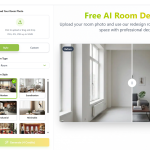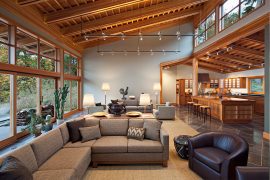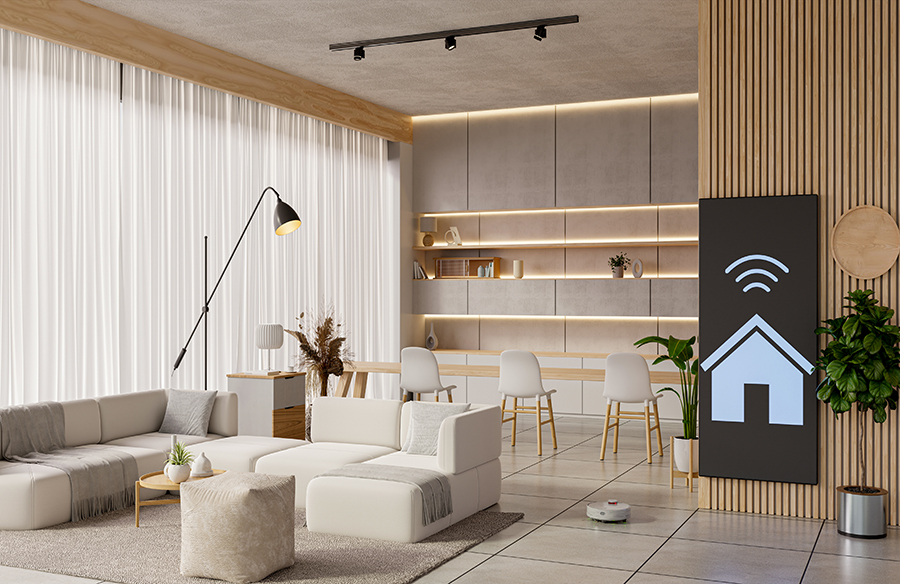
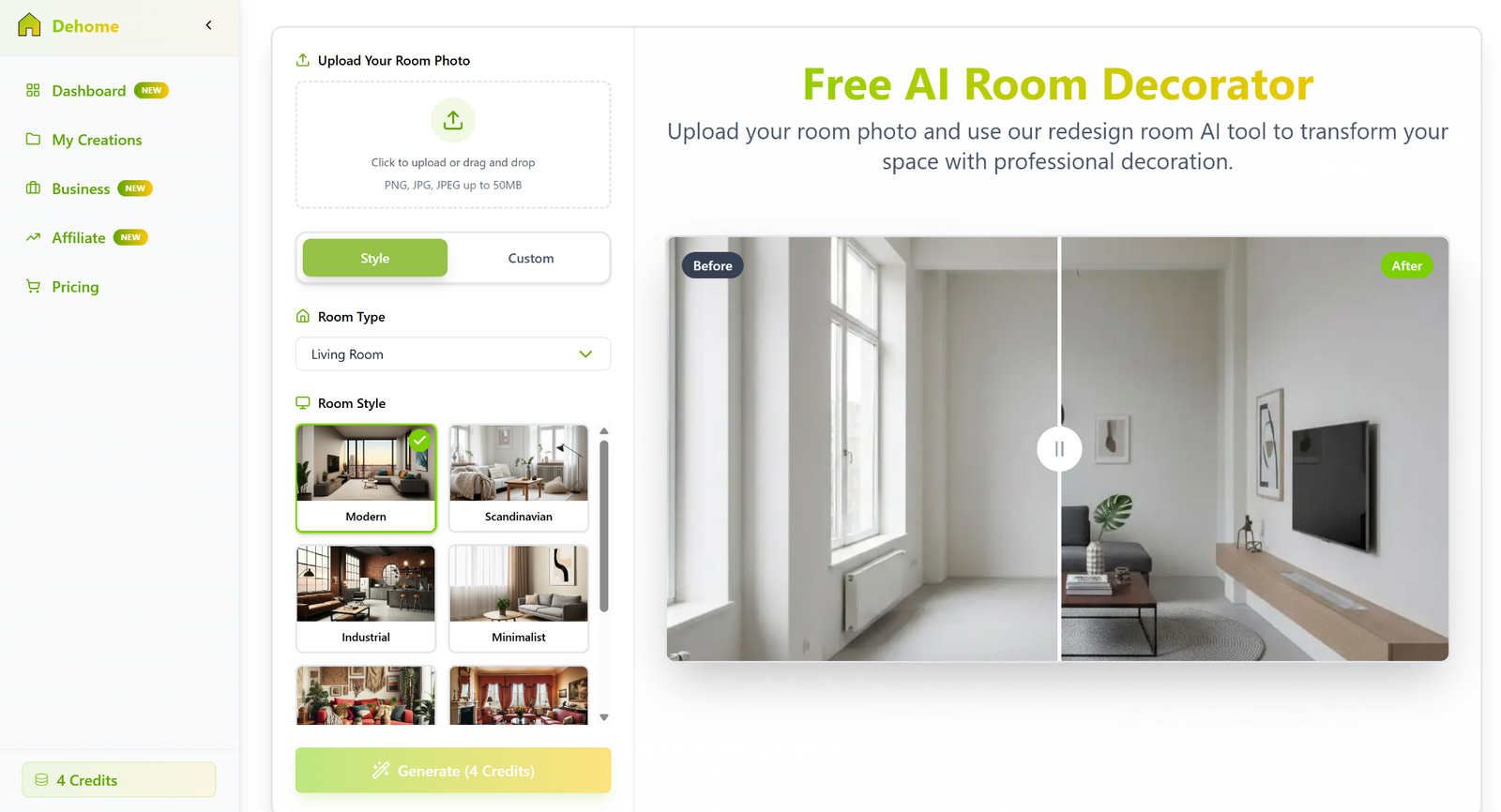
Designing a home is no longer just about sketches, guesswork, or expensive consultations. With the rise of artificial intelligence, the entire process has become more intuitive, visual, and flexible. Home design AI and AI room design tools are changing how people approach their spaces making design feel less technical and more like a natural extension of personal creativity.
Instead of struggling to imagine how a room will look, you can now see it instantly, adjust it freely, and refine it until it feels right.
Understanding Home Design AI
Home design AI focuses on the bigger picture. It looks at the structure of a home as a whole, how rooms connect, how space flows, and how design choices impact the overall environment.
 Rather than treating each area separately, it helps create a sense of unity. The living room, bedroom, kitchen, and even hallways are designed to feel connected, not random. This approach ensures that your home doesn’t just look good in parts, but works well as a complete space.
The Role of AI in Room Design
While home design AI handles the broader layout, AI room design focuses on individual spaces.
Each room has its own purpose, and AI recognizes that. A bedroom requires calm and comfort, while a living room needs openness and interaction. A workspace should support focus, while a dining area should feel inviting.
AI adjusts layouts, furniture placement, and visual elements based on these purposes. The result is a room that not only looks balanced but also feels practical for everyday use.
From Ideas to Visual Reality
One of the biggest challenges in design has always been visualization. People often have ideas but struggle to see how those ideas will look in real life.
AI solves this problem by turning concepts into visuals.
You can:
- Test different layouts without moving furniture
- Try various color schemes instantly
- Explore multiple styles without commitment
This makes the design process more interactive and less uncertain.
A More Flexible Creative Process
Traditional design often requires decisions early in the process. Once something is finalized, changing it can be difficult.
AI introduces flexibility.
You can start with a rough idea and refine it gradually. If something doesn’t feel right, you can adjust it without starting over. This allows creativity to develop naturally instead of being forced into a fixed plan.
How AI Understands Space
AI doesn’t just place objects randomly it interprets the space.
It considers:
- Room size and proportions
- Natural light and shadows
- Movement within the space
- Balance between empty and occupied areas
This understanding helps create layouts that feel comfortable rather than crowded or awkward.
Designing Rooms That Feel Lived-In
One common issue with traditional design is that spaces can look perfect but feel impractical. AI room design tends to avoid this by focusing on usability.
 Instead of filling a room with decorative elements, it prioritizes:
- Easy movement
- Functional placement
- Comfortable spacing
This creates environments that feel natural to live in, not just visually appealing.
Exploring Styles Without Limits
Style is often hard to define. Many people like elements from different design styles but don’t know how to combine them.
AI makes this easier.
You can experiment with different looks: modern, classic, minimal, or mixed without committing to one direction. Over time, you begin to identify what suits your taste.
This process feels more like exploration than decision-making.
The Connection Between Rooms
A well-designed home is not just a collection of rooms. There should be a sense of flow from one space to another.
Home design AI helps maintain this flow.
For example:
- Color transitions feel smooth rather than abrupt
- Furniture styles complement each other across rooms
- Layouts support natural movement throughout the home
This creates a more cohesive and comfortable living environment.
Practical Uses in Everyday Life
AI design tools are not limited to large projects. They can be used for everyday improvements as well.
People often use them to:
- Rearrange existing furniture
- Refresh a room with new colors
- Plan small renovations
- Visualize upgrades before making changes
This makes AI useful not just for designing new homes, but for improving existing ones.
Reducing Design Uncertainty
One of the biggest barriers in home design is doubt. People worry about making the wrong choice or wasting time and money.
AI reduces that uncertainty.
By showing different possibilities, it allows users to compare options and choose what feels right. Instead of guessing, decisions are based on clear visual feedback.
A Learning Experience Over Time
Using AI for home and room design is not just about the final result—it’s also about learning.
As you experiment, you start to understand:
- How layout affects comfort
- How colors influence mood
- How space can be used more efficiently
This knowledge stays with you, making future design decisions easier.
A Balance Between Technology and Personal Taste
AI provides structure and suggestions, but it doesn’t replace personal preference.
Every design still depends on your choices what you like, what you need, and how you want your space to feel. AI simply helps bring those preferences into a clearer form.
This balance keeps the process both guided and personal.
The Future of AI in Home Design
The use of AI in design is still evolving. As technology improves, these tools will become even more responsive and detailed.
We can expect:
- More realistic visualizations
- Better understanding of personal style
- Faster and more accurate design suggestions
But even now, the impact is clear design is becoming more accessible and more user-driven.
Final Thoughts
Home design AI and AI room design are reshaping how people interact with their living spaces. They remove the complexity that once made design difficult and replace it with clarity and flexibility.
Instead of relying on guesswork, you can now explore ideas visually, adjust them easily, and move forward with confidence.
In the end, design is not just about how a space looks it’s about how it works and how it feels. AI helps you find that balance, making it easier to create a home that truly reflects your lifestyle.