In architecture and landscape design, outdoor spaces are no longer treated as secondary. Patios have become extensions of living rooms, gardens double as work and wellness zones, and rural properties increasingly blend productivity with lifestyle. As this shift continues, the most successful projects are those where design and function work together rather than compete.
A beautiful outdoor environment that is difficult to maintain quickly loses its appeal. Likewise, a purely functional setup that ignores aesthetics rarely feels inviting. The real value emerges where systems are thoughtfully integrated, where outdoor spaces are designed not just to be seen, but to be used, sustained, and enjoyed over time.
Designing with function in mind does not reduce creativity; it deepens it. It asks designers, architects, and property owners to think about how spaces operate across seasons, workloads, and daily routines.
The Evolution of Outdoor Design Thinking
Traditionally, architecture emphasized the building envelope while landscapes were treated as decorative. Today, that boundary is dissolving. Climate responsiveness, sustainability goals, and lifestyle changes have made outdoor systems central to design thinking.
Clients increasingly ask practical questions. How will this garden be maintained? Where will tools be stored? How will waste be managed? How do we support year-round use?
These questions reflect a mature understanding: outdoor design must be livable, not just photogenic.
Functional outdoor systems, drainage, lighting, access routes, and maintenance infrastructure, shape how spaces age. When planned well, they preserve the integrity of the design. When overlooked, they create friction and hidden costs.
Designing for Real Use
Real-world use introduces realities that drawings alone cannot predict. Leaves fall. Wood needs splitting. Lawns need care. Outdoor furniture must be stored. Deliveries require access. Even the most minimal landscape generates material flows.
This is where systems thinking matters. Designers who anticipate these flows create spaces that remain elegant under pressure. Service paths can be subtly integrated. Utility zones can be screened with planting. Storage can be concealed within built elements.
The goal is not to expose function, but to accommodate it gracefully.
Property Utility as Design Infrastructure
On larger properties, rural homes, or hybrid live-work sites, outdoor utility becomes a major consideration. Woodlots, gardens, and landscape management often require serious tools. Ignoring this reality can leave owners improvising solutions that clash with the design.
For example, properties that rely on wood heating or regular tree management must process timber efficiently. Manual methods may suit small volumes, but larger properties benefit from mechanized solutions. Some landowners explore heavy-duty options like 27-ton log splitters from Equipment Outfitters when they need reliable capacity for regular wood processing. While such equipment is clearly utilitarian, acknowledging its presence in the design phase allows for better planning of access routes, storage shelters, and work zones.
In this sense, utility is not the opposite of design. It is part of the ecosystem that keeps a property functional.
A well-designed utility zone can be discreet, organized, and even visually coherent with the broader landscape. Material palettes, screening strategies, and thoughtful placement make a difference.
Aesthetics That Age Well
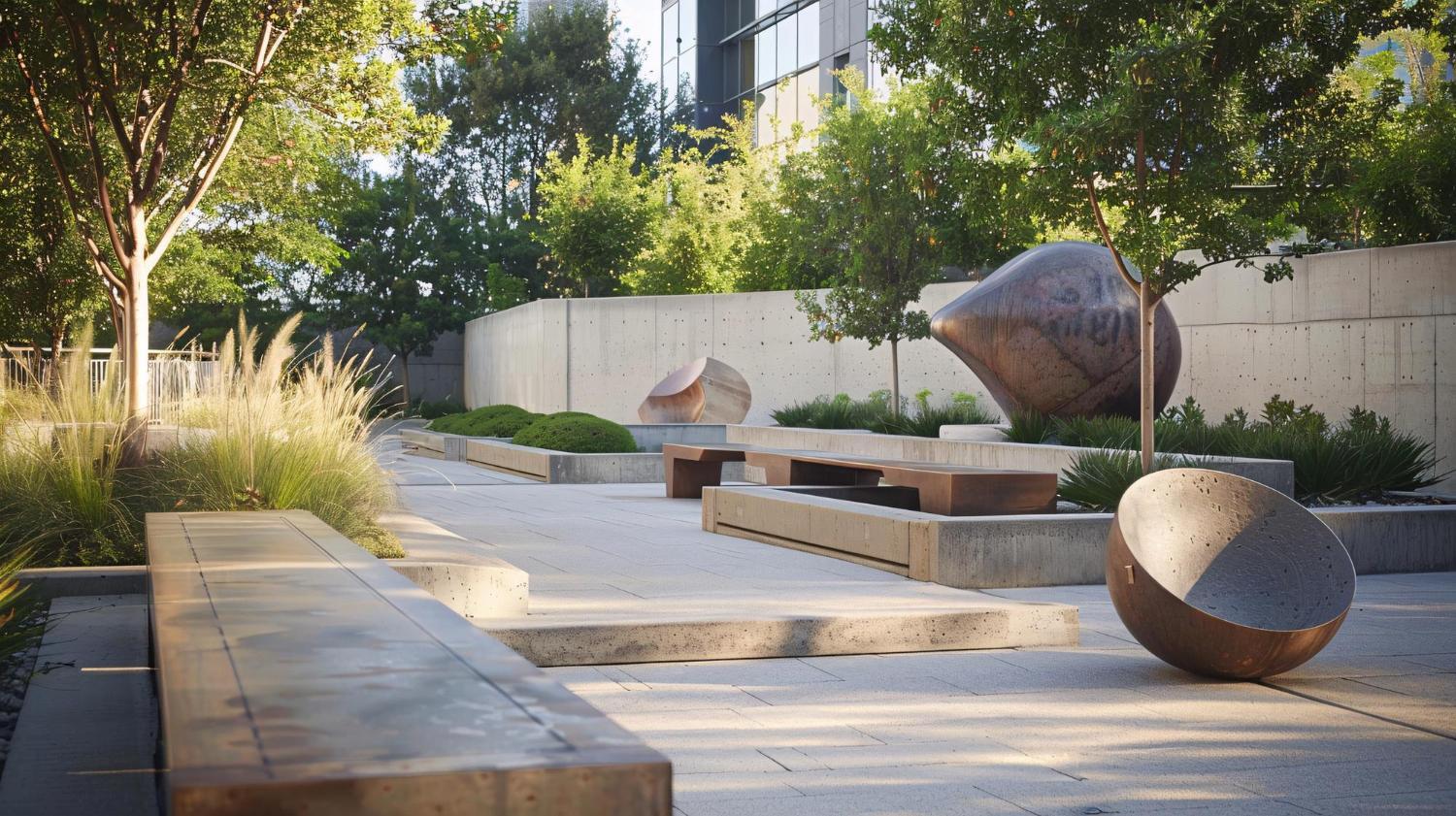 One hallmark of good design is how it ages. Outdoor spaces evolve with time and use. Materials weather, plants mature, and patterns of movement become visible.
Function supports longevity. Proper drainage prevents erosion. Durable surfaces reduce maintenance scars. Defined work areas protect more delicate spaces.
Design that ignores maintenance often deteriorates faster. Conversely, design that anticipates use tends to develop character rather than decline.
This is particularly relevant in climates with strong seasonal variation. Snow, rain, and heat all test outdoor systems. Functionally robust spaces handle these stresses with less intervention.
The Role of Storage in Outdoor Design
Outdoor living generates objects: tools, cushions, seasonal décor, sports gear, and garden supplies. Without a plan, these items accumulate in ways that disrupt visual harmony.
Storage is therefore not an afterthought; it is a design layer. Integrated benches with hidden compartments, discreet sheds, and multipurpose structures help maintain order. Good storage protects investments and reduces clutter.
For some property owners, especially those with limited on-site space, off-site or modular storage solutions also play a role. Services like WheeKeep are sometimes used when people need flexible storage for seasonal or transitional items, allowing primary outdoor spaces to remain uncluttered. From a design perspective, this supports minimalism and clarity.
The broader lesson is that organization sustains aesthetics. A tidy environment highlights design intent.
Sustainability Through Function
Functional outdoor systems often align naturally with sustainability. Composting zones reduce waste. Rainwater collection supports irrigation. Native planting reduces maintenance inputs. Efficient tool use minimizes unnecessary labor and fuel consumption.
When design and function collaborate, sustainability becomes practical rather than symbolic. It is embedded in daily operations.
Clients increasingly value this practicality. They want spaces that look good but also make sense environmentally and economically.
Designing for Multiple Scales
Outdoor systems must work at different scales. A small urban courtyard has different needs than a multi-acre rural site, yet the principles remain similar: anticipate use, manage flows, and support maintenance.
Even compact spaces benefit from thinking about storage, access, and durability. A balcony garden still needs drainage. A small yard still needs tool storage. Function is scale-sensitive but universal.
The Human Experience
Ultimately, outdoor systems exist to support human experience. A well-functioning space invites people to use it more. When maintenance feels manageable, owners engage more actively with their environment.
This engagement fosters care. Care fosters longevity. And longevity reinforces design value.
Spaces that are both beautiful and practical tend to be loved longer. They become part of daily life rather than occasional showpieces.
Design meets function most successfully when neither dominates. Outdoor systems that add value are those that quietly support the life of a property. They enable beauty to endure rather than compete with reality.
For architects and designers, this means embracing the operational side of landscapes. It means asking how spaces will be maintained, supplied, and used across time. It means seeing utility as a partner in design.
When function is integrated thoughtfully, outdoor spaces remain resilient, adaptable, and meaningful. They serve both aesthetic and practical goals, creating environments that are not only admired but truly lived in.
In the end, value is not just measured in visual impact. It is measured in how well a space supports life, work, and change. That is where design and function truly meet.